|

S&P 500 Index: Rotation needs macro support – Charles Schwab

“Big five” stocks recently hit an extreme of weight within the S&P 500 relative to the market peak in 2000 but their valuations are more reasonable today. What’s more, rotation could give way to broader-based selling if economic data fails to support recent leadership by more classically-cyclical sectors, according to Liz Ann Sonders from Charles Schwab.

More: S&P 500 Index needs further fiscal support to avoid a correction

Key quotes

“Valuations are as stretched as they were in 2000; however, less so in the case of the largest stocks. Although the S&P 500’s forward P/E ratio recently hit heights not seen since 1998-2000; the forward P/E of the largest five stocks today is more “reasonable” at 33 relative to their average multiple of 60 in 2000”

“The equity risk premium (ERP) is quite elevated relative to where it was at the market’s peak in 2000. Notwithstanding the elevated ERP and strong fundamentals for the big five, traditional valuation metrics are stretched enough that we will need a meaningful earnings growth rebound. The rotation that’s been underway this month may be part of the process of easing some of this valuation excess. However, the move toward more traditional cyclical leadership – Materials and Industrials – likely also will need support from an improving economic backdrop. Absent the latter, a simple rotation could give way to more broad-based selling of equities than what’s occurred over the past few weeks.”

Author

FXStreet Team

Composed of a group of economic journalists and FX experts, the FXStreet content team produces and oversees all content published on FXStreet. It provides a purely journalistic approach to the Forex market.


More from FXStreet Team
Share:

Editor's Picks

USD/JPY eyes August swing low, near 155.20 ahead of US NFP

USD/JPY retests the August monthly swing low during the Asian session on Friday as a more hawkish repricing of BoJ rate-hike bets and a suspected intervention continue to underpin the Japanese Yen. Meanwhile, the US Dollar is seen consolidating the previous day's heavy losses amid soft US bond yields, further weighing on the currency pair as traders keenly await the US NFP report.

AUD/USD consolidates above 0.7200; US NFP awaited

AUD/USD holds steady above 0.7200, near its highest level since mid-May, as bulls await the US NFP report for more cues on the Fed's policy path before placing fresh bets. Meanwhile, the recent decline in US bond yields keeps the US Dollar depressed near its lowest level in over a week and acts as a tailwind for the Aussie amid the RBA's hawkish tilt.

Gold tumbles as blockbuster US NFP lift US Dollar, Treasury yields

Gold (XAU/USD) falls sharply on Friday, snapping a two-day recovery after the US Nonfarm Payrolls (NFP) report surprised strongly to the upside. The metal briefly climbed above $4,500 on Thursday, gaining nearly 2%, but has since erased a large part of that advance.

Crypto’s $638 million buyback boom may not be as bullish as it looks
Decentralized Finance (DeFi) protocols reportedly spent $638 million to buy back their native tokens in August, up 17% from a year earlier. On the surface, the buyback trend suggests the cryptocurrency industry is maturing fast, adopting one of Wall Street’s oldest tools to bolster valuations and distribute revenue. The headline becomes less impressive once the number is opened up.
Why hawkish Bank of Japan expectations aren't enough to sustain the Japanese Yen rally

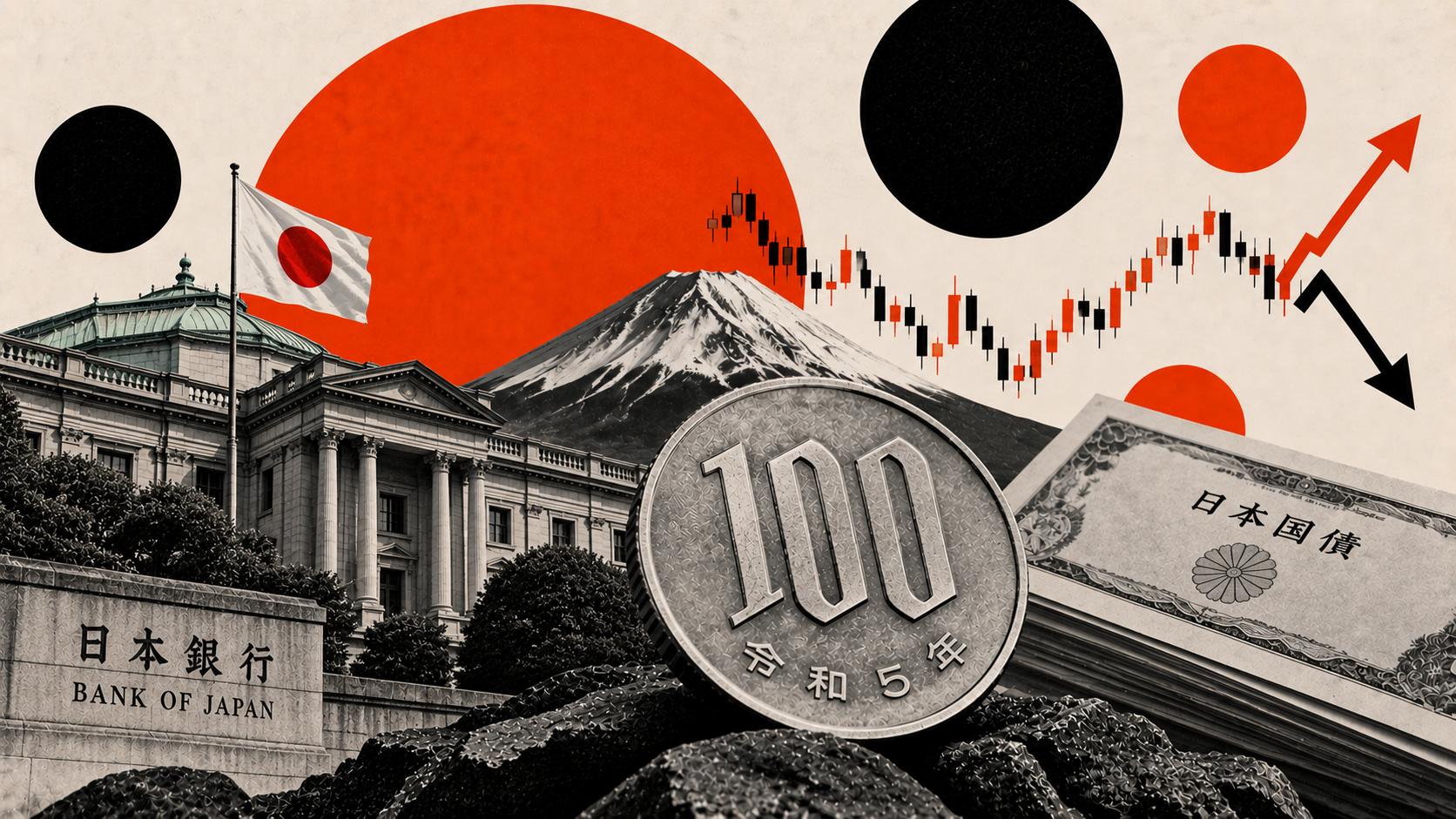
The Japanese Yen (JPY) experienced a sudden burst higher after falling back below the 160.00 psychological mark against the US Dollar (USD) earlier this week amid a more hawkish repricing of Bank of Japan (BoJ) rate hike expectations.

Diesel’s record $100 warning: The oil shock hiding in plain sight

The Oil market may look calmer than it did a few months ago, but diesel is sending a very different message. The US diesel crack spread, the premium of ultra-low sulphur diesel futures over WTI, recently surged above $100 per barrel for the first time, reaching an intraday record of just over $102.00.