Natural Gas off the high as markets digest Australian outages
- Natural Gas broke higher and is starting to retreat a touch as markets are pricing in the shutdown risk in Australia.
- The US Dollar is set to close in weekly gain, making it nearly its best week for 2023.
- Natural gas price could extend the risk rally and hit $2.95.
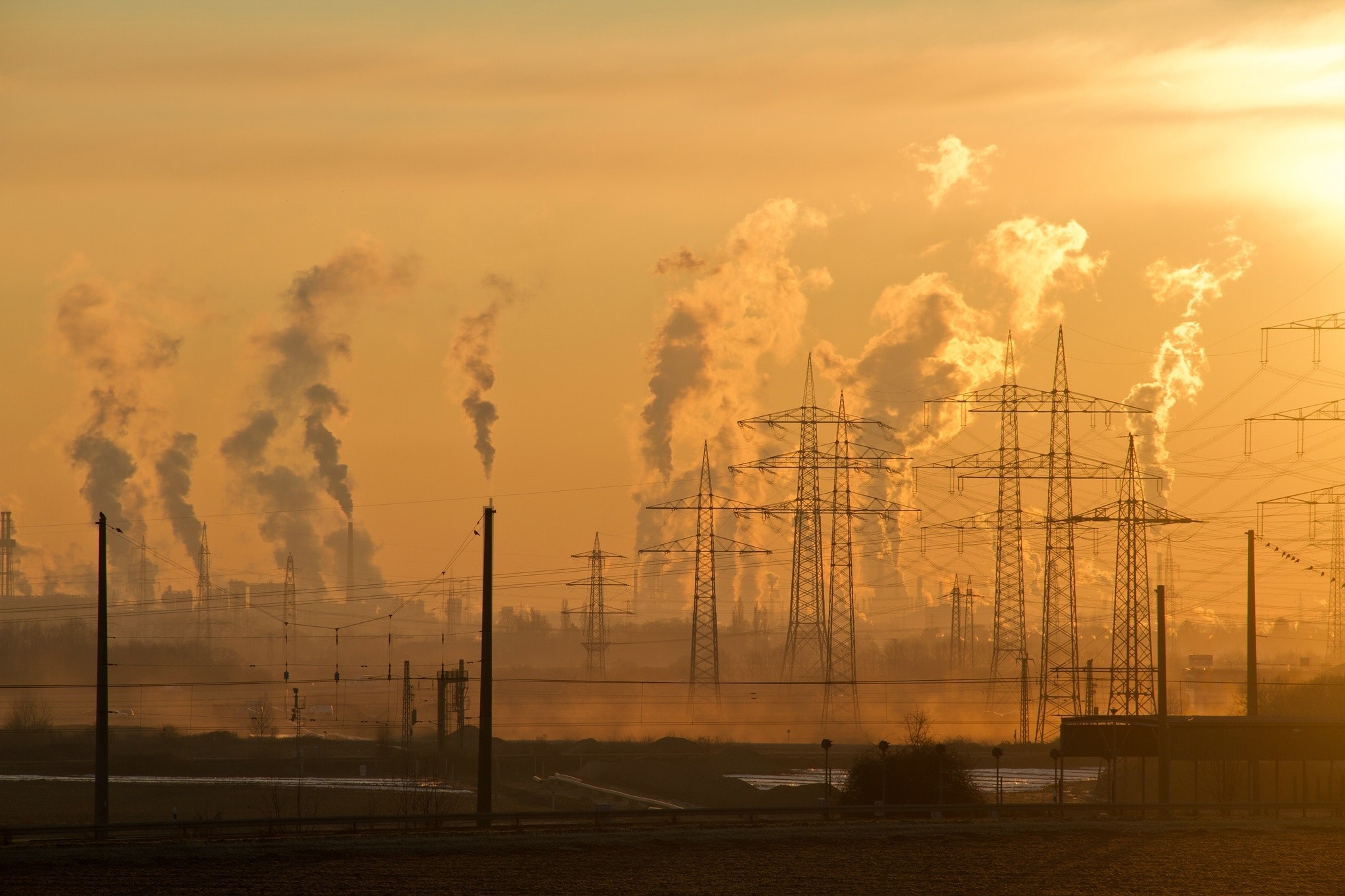
Natural Gas prices are off their highs as the dust settles after heading higher due to strike breakouts headlines hitting the wires. Strikes in Australian ports are inevitable and could end up to a drawdown of supply on global markets. The land ‘down under’ accounts for 10% of the global supply in Liquefied Natural Gas (LNG), so an interruption in gas flows from the country could bring a firm squeeze in gas prices if the supply side is unable to cope or replace the missing 10% anytime soon.
At the time of writing, Natural Gas is trading at $2.849 per MMBtu.
Natural Gas news and market movers
- With the US markets coming into play, traders are starting to digest the news.
- European gas futures, which are more sensitive to supply issues, were up 15% on the back of headlines from Australia.
- The Gorgon and Wheatstone facilities are set to be shut down as of 05:00 GMT. Those two plants alone account for 7% of the world’s supply.
- The strikes will result in brief work stoppages and no overtime. In case no deal is reached before September 14, the plants will completely shut down for two weeks.
- This action is the culmination of several weeks of discussions that kept markets on edge. Several key issues are still to be discussed, according to several sources from both Chevron and the unions, Reuters reports.
- In a Facebook statement, the Offshore Alliance Union said: “Chevron’s bargaining performance has been the most inept effort of any employer the union has dealt with in the past five years and our members have had enough.”
- The Baker Hughes Rig Count data in the US might get a bit more attention to see if the US can supply itself enough when it comes to LNG production.
Natural Gas Technical Analysis: Dust starts to settle
Natural Gas is breaking out and is already trading above the highs seen on Wednesday and Thursday. After weeks of nervous communication, traders can finally head into more binary trade setups as the risk of a full shutdown is just a few days away. With the clock ticking, expect to see gas prices to rise as the risk of lower supply increases.
On the upside, $2.83 needs to be taken out in order for this bounce to gain momentum. Once this rebound materialises, look for the the 200-day Simple Moving Average (SMA) near $2.95. In case price starts to break above there and head higher, $3 will be crucial with the high of September at stake.
On the downside, the trend channel has done a massive job underpinning the price action. The 55-day SMA already provided support ahead of any test on the lower end of the trend channel. In case the 55-day SMA breaks, look for support near $2.65.
-638297624695711465.png)
XNG/USD (Daily Chart)
Natural Gas FAQs
What fundamental factors drive the price of Natural Gas?
Supply and demand dynamics are a key factor influencing Natural Gas prices, and are themselves influenced by global economic growth, industrial activity, population growth, production levels, and inventories. The weather impacts Natural Gas prices because more Gas is used during cold winters and hot summers for heating and cooling. Competition from other energy sources impacts prices as consumers may switch to cheaper sources. Geopolitical events are factors as exemplified by the war in Ukraine. Government policies relating to extraction, transportation, and environmental issues also impact prices.
What are the main macroeconomic releases that impact on Natural Gas Prices?
The main economic release influencing Natural Gas prices is the weekly inventory bulletin from the Energy Information Administration (EIA), a US government agency that produces US gas market data. The EIA Gas bulletin usually comes out on Thursday at 14:30 GMT, a day after the EIA publishes its weekly Oil bulletin. Economic data from large consumers of Natural Gas can impact supply and demand, the largest of which include China, Germany and Japan. Natural Gas is primarily priced and traded in US Dollars, thus economic releases impacting the US Dollar are also factors.
How does the US Dollar influence Natural Gas prices?
The US Dollar is the world’s reserve currency and most commodities, including Natural Gas are priced and traded on international markets in US Dollars. As such, the value of the US Dollar is a factor in the price of Natural Gas, because if the Dollar strengthens it means less Dollars are required to buy the same volume of Gas (the price falls), and vice versa if USD strengthens.
Author

Filip Lagaart
FXStreet
Filip Lagaart is a former sales/trader with over 15 years of financial markets expertise under its belt.