Fed: New voters at the FOMC, not a game changer – Wells Fargo
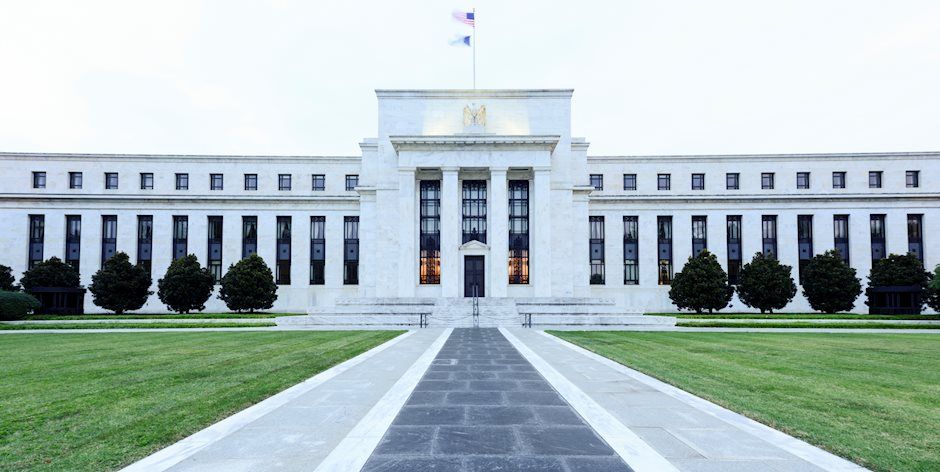

On January 29, the Federal Reserve will announce its first decision of 2020, with new members at the FOMC. Analysts at Wells Fargo do not see the new makeup of voters as a significant factor for their 2020 policy outlook.
Key Quotes:
“If all goes according to the FOMC’s plan, its January meeting will be considered a snooze. Consistent with the consensus, we expect the FOMC will keep interest rates on hold. Not only has the FOMC signaled it is comfortable with its current policy stance, but risks to the outlook have subsided, on balance, while recent economic data have been consistent with the Fed’s outlook. We will be watching closely for any guidance on how the Fed’s response to recent funding pressure may change.”
“The first meeting of the year means that there will also be new voting members as part of the FOMC’s regular rotation of regional presidents. Rotating off as voting members will be two “hawks” –Eric Rosengren (Boston) and Esther George (Kansas City). The committee is also losing two “doves,” however, in Charles Evans (Chicago) and James Bullard (St. Louis). On balance, the new crop of voters looks to be slightly more hawkish. Loretta Mester (Cleveland) and Patrick Harker (Philadelphia) tend to be on the “hawkish” end of the spectrum, although neither dissented in their last steads as voters, albeit then the Fed was raising rates (Mester in 2018 and Harker in 2017). Neel Kashkari, probably the most “dovish” member of the FOMC, will also be a voter this year, but the fourth new voter, Robert Kaplan (Dallas) tends to be fairly middle-of-theroad in his policy views.
“We therefore do not see the makeup of voters in 2020 as a significant factor in our outlook for FOMC policy this year, and we continue to expect the FOMC to remain on hold not just at its January meeting, but for the foreseeable future.”
Author
Matías Salord
FXStreet
Matías started in financial markets in 2008, after graduating in Economics. He was trained in chart analysis and then became an educator. He also studied Journalism. He started writing analyses for specialized websites before joining FXStreet.