Declining US-China trade trend hard to reverse - Global Times
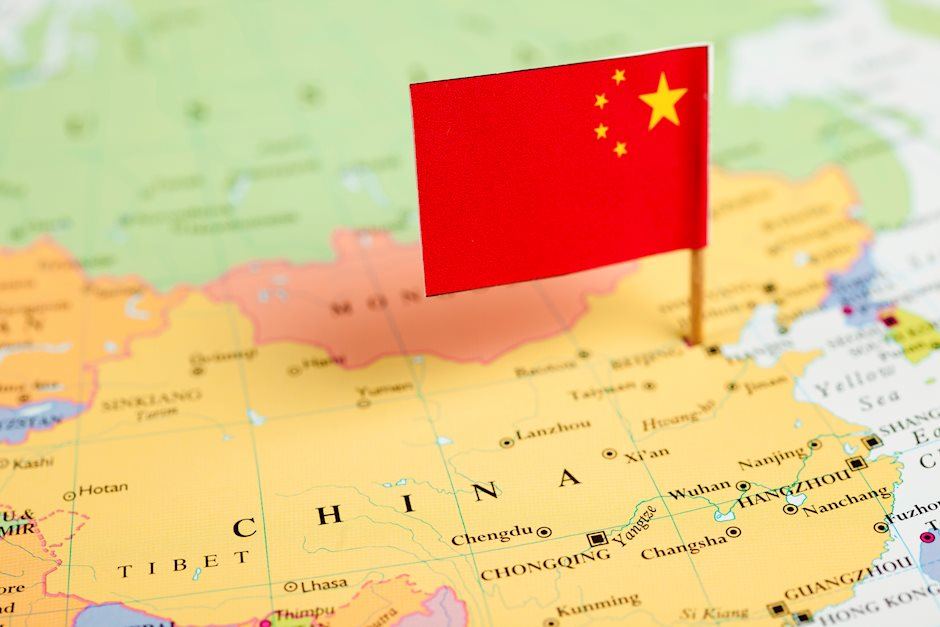

The Global Times reports on the 18 months of tariff wars between the US and China and argues that, "even with a "phase one" trade deal, the downtrend in bilateral trade will be difficult to reverse."
Lead Paragraphs
It has been 18 months since the US began imposing 25 percent tariffs on the first tranche of Chinese goods, and bilateral trade between the world's two largest economies is still sliding. The General Administration of Customs showed that China's trade with the US fell 11.1 percent year-on-year to 3.4 trillion yuan ($483 billion) in the first 11 months of this year, widening from a 10.6-percent decline in the first 10 months.
Even with a "phase one" trade deal, the downtrend in bilateral trade will be difficult to reverse. Meanwhile, China's total trade actually expanded 2.4 percent year-on-year in the first 11 months, indicating that trade with the US is not irreplaceable for China.
Key notes
- As the tariff war dragged on, Chinese companies sought new suppliers from other countries and explored the sales potential of the domestic market.
- Specifically, in the January-November period, China's trade with the EU, the country's largest trading partner, jumped 7.7 percent.
- Trade with the Association of Southeast Asian Nations, the No.2 partner, rose 12.7 percent.
- Some in Washington may claim that the US has finally managed to narrow its trade deficit with China...It is true that a trade war could affect US-China trade and reduce the US trade deficit with China to a certain extent.
- As long as Americans maintain low savings, the country's overall trade deficit won't change.
- Some of the deficit with China will turn into deficits with other countries like India and Vietnam.
- As for US consumers, they are bound to bear higher costs, regardless of whether manufacturers in China stay put or move production out of China under US tariff pressure.
- It's impossible for the US to benefit from such industrial transfers.
- In addition, the trade war is rearranging the global supply chain.
- The rest of the world will have to restructure their industries and prepare for the reorganization of the world's value chain as result of the US-triggered tariff war.
Author
Ross J Burland
FXStreet
Ross J Burland, born in England, UK, is a sportsman at heart. He played Rugby and Judo for his county, Kent and the South East of England Rugby team.