|

China: Export stayed resilient in September on strong demand from nonUS markets – UOB Group
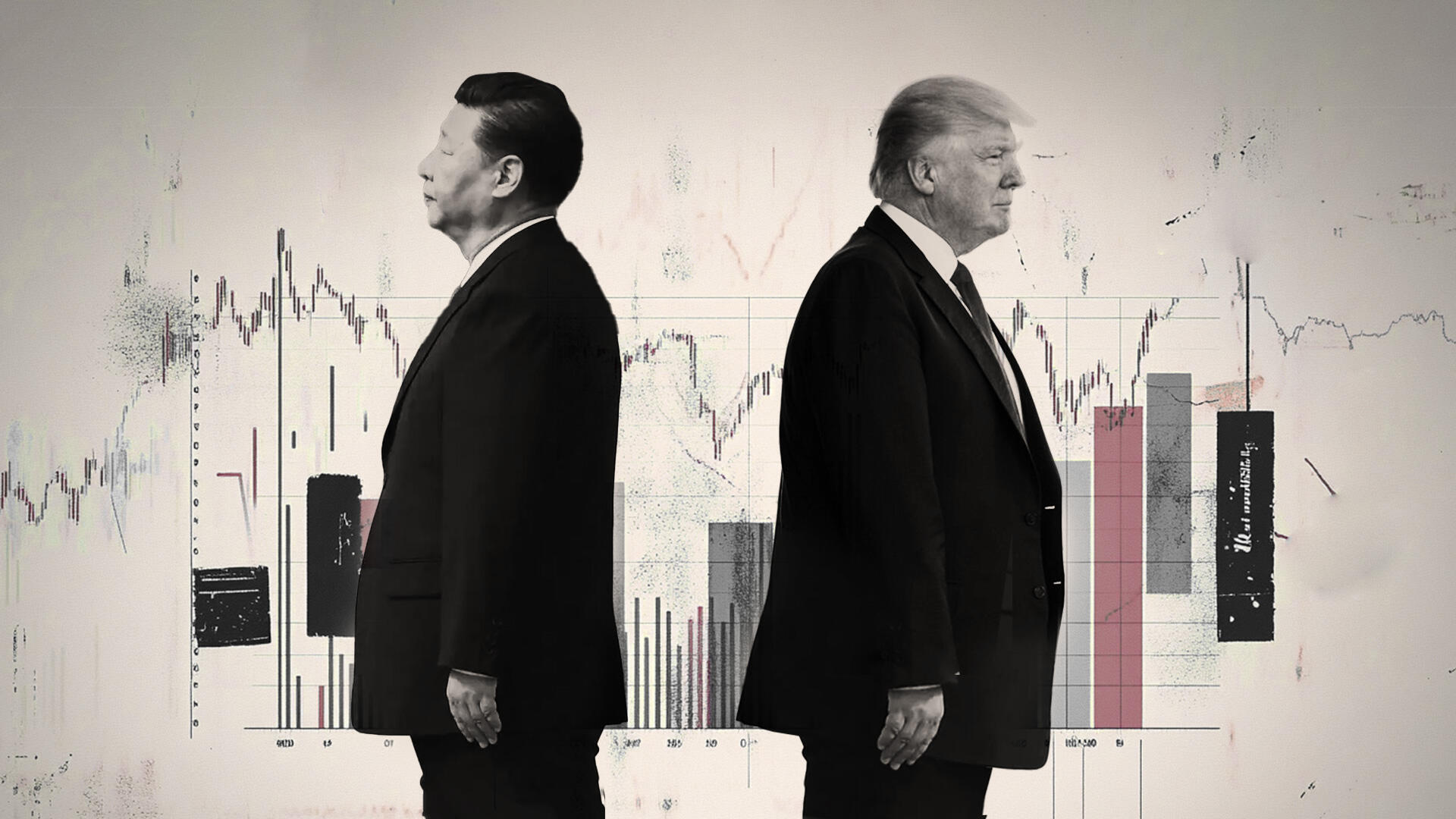
Both China’s export and import growth were well-above Bloomberg’s consensus forecasts in September. China’s exports rose at the fastest pace in six months at 8.3% y/y in September (Bloomberg est: 6.6%, August: 4.4%) and imports jumped sharply by 7.4% y/y (Bloomberg est: 1.8%, August: 1.3%). In CNY-terms, exports were up 8.4% y/y (August: 4.8%) while imports were similarly higher at 7.5% y/y (August: 1.7%). Due to the larger improvements in imports, China’s trade surplus narrowed to US$90.45 bn from US$102.33 bn in August, UOB Group's FX analysts Quek Ser Leang and Peter Chia note.

China’s rare earth export moderates at a sharper pace in September

"Exports remained buoyed by non-US markets while US continued to be the worst performing major market for China as supply chains diversification accelerates. Export to the US contracted for the 6th consecutive month since Apr, though the decline narrowed to -27.0% y/y in September from -33.1% y/y in August. In September, export growth was led by markets such as South Africa (+23.3%), India (+14.4%), EU (+14.2%), and ASEAN (+15.6%) in particular Vietnam (+24.5%), Thailand (+19.7%) and Indonesia (+17.1%)."

"By key products, the strongest export growth was seen in ships, semiconductors, LCD panels, Chinese medicine and motor vehicles which expanded at a doubledigit pace in September. On the other hand, contractions were the worst for consumer goods such as toys, footwear, handbags and garments as well as commodities such as refined petroleum products and steel/iron products, indicating a slowdown in global consumer demand."

"China’s rare earth export which is at the center of its tensions with the US, moderated at a sharper pace in September. In volume terms, rare earth shipments fell 30.9% compared to August, to 4,000 tons in September."

Author

FXStreet Insights Team

The FXStreet Insights Team is a group of journalists that handpicks selected market observations published by renowned experts. The content includes notes by commercial as well as additional insights by internal and external analysts.


More from FXStreet Insights Team
Share:

Editor's Picks

GBP/USD bulls seem hesitant as Hormuz ship attack supports safe-haven USD

The GBP/USD pair sticks to a positive bias for the second straight day, albeit it remains below the previous day's swing high and trades just below the 1.3200 mark during the Asian session on Friday. Furthermore, the fundamental backdrop warrants caution before positioning for any meaningful recovery from November 2025 lows, around the 1.3140 region, touched on Wednesday.

EUR/USD holds above mid-1.1300s amid Hormuz risks, bearish setup

The EUR/USD pair struggles to capitalize on the previous day's modest recovery gains and oscillates in a narrow band during the Asian session. Spot prices, however, hold above mid-1.1300s and the lowest level since May 2025, set on Thursday, warranting some caution for bearish traders.

Gold recovers early lost ground; bearish bias remains amid Fed hike bets

Gold builds on its modest intraday bounce from the $3,983-$3982 region, and climbs to the top end of its daily range heading into the European session. The US Dollar remains depressed below its highest level since May 2025 set on Thursday, amid receding Federal Reserve rate-hike bets. This is seen as a key factor lending some support to the commodity.

Ripple price clings to $1 as long liquidations deepen bearish trend

Ripple (XRP) trades near the key psychological support level of $1 after losing more than 8% so far this week. CoinGlass liquidation data shows that over 97% XRP long positions were wiped out over the past 24 hours. In addition, derivatives metrics continue to favor the bears.

Asian stock markets plummet as Apple price hike raises inflation concerns, KOSPI dives over 8%
Asian equity markets on Friday are significantly down as price hikes announced by Apple Inc. due to memory chip shortages have prompted fears of high inflation globally and concerns on earning projections of various companies that rely on these sophisticated chips for their final products.
Regime change: Inside Kevin Warsh's first move to make the Fed unreadable on purpose

The rate did not move. That was the least interesting thing about Kevin Warsh's first meeting in charge of the Fed. The FOMC held its benchmark at 3.50%-3.75% for the fourth straight meeting, exactly as priced, and then the new chair used his first press conference to dismantle the machinery the market has leaned on for a decade.















