|

China: April activity overshadowed by tariff war – Standard Chartered
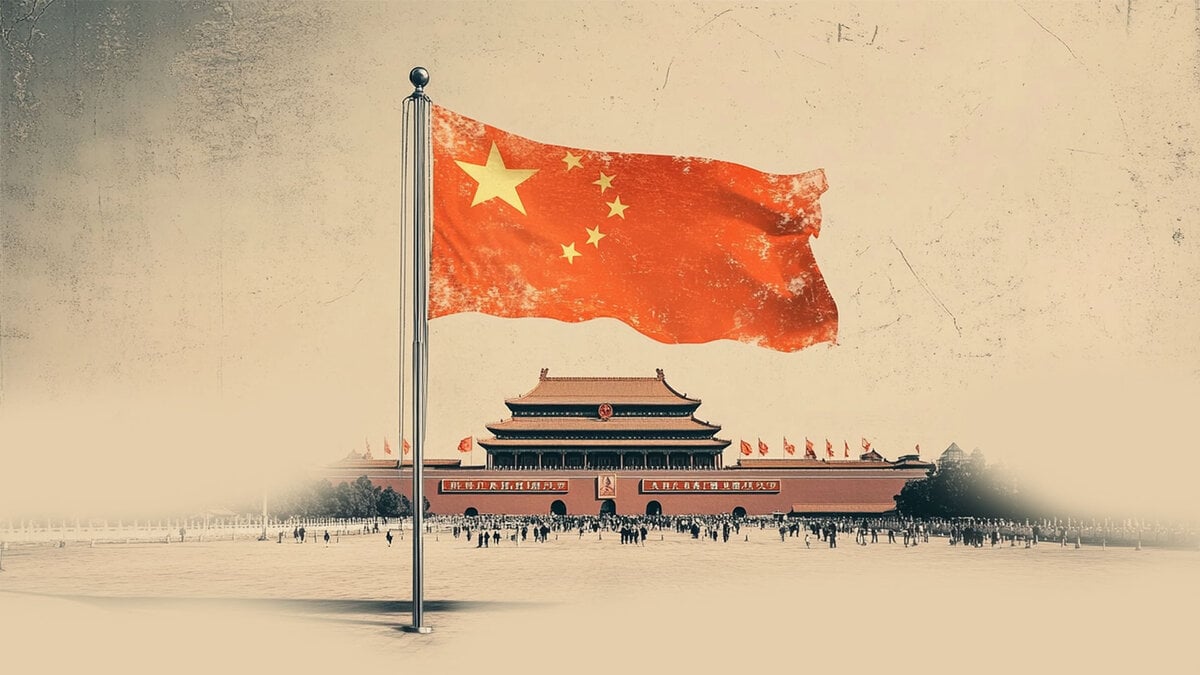
Activity data points to softening momentum from Q1, but industrial production has held up. Frontloaded exports and macro policy implementation to continue to support growth in Q2. Property market remains the key drag for the domestic economy. Tariff truce lowers likelihood of additional stimulus, in our view, but uncertainty remains high in H2, Standard Chartered's economists report.

Resilience tested

"Overall, April data showed resilience amid the tariff war. Industrial production remained solid, while retail sales and fixed asset investment came in slightly below expectations. Although April data suggests slowing momentum from Q1, activity has held up well; this bodes well for c.5% growth in Q2 (vs 5.4% y/y in Q1) on a favourable base effect."

"Frontloaded exports and faster stimulus deployment have likely contributed to this resilience. Overall, exports held up well in April. Data shows strong growth in retail sales of goods subsidised as part of the government’s consumer goods trade-in programme and solid expansion in infrastructure and manufacturing investment, supported by frontloaded government bond issuance. These factors likely will remain supportive for growth in Q2."

"However, US tariff uncertainty remains and China’s housing market is still a drag. The recent tariff reduction has eased pressure on China’s growth outlook, thus lowering the likelihood of additional stimulus. The stimulus package announced at the National People’s Congress (NPC) meeting in March, if fully implemented, should be able to largely offset the impact of tariffs. The Politburo meeting in July likely will re-evaluate the growth outlook based on trade negotiation progress and assess if further stimulus is needed."

Author

FXStreet Insights Team

The FXStreet Insights Team is a group of journalists that handpicks selected market observations published by renowned experts. The content includes notes by commercial as well as additional insights by internal and external analysts.


More from FXStreet Insights Team
Share:

Markets move fast. We move first.

Orange Juice Newsletter brings you expert driven insights - not headlines. Every day on your inbox.

By subscribing you agree to our Terms and conditions.

Editor's Picks

EUR/USD retreats below 1.1750 on modest USD recovery

EUR/USD stays under modest bearish pressure and trades below 1.1750 on Friday. Although trading conditions remain thin following the New Year holiday and ahead of the weekend, the modest recovery seen in the US Dollar causes the pair to edge lower. The economic calendar will not feature any high-impact data releases.

GBP/USD struggles to gain traction, stabilizes above 1.3450

After testing 1.3400 on the last day of 2025, GBP/USD managed to stage a rebound. Nevertheless, the pair finds it difficult to gather momentum and moves sideways above 1.3450 as market participants remain in holiday mood.

Gold climbs toward $4,400 following deep correction

Gold reverses its direction and advances toward $4,400 after suffering heavy losses amid profit-taking before the New Year holiday. Growing expectations for a dovish Fed policy and persistent geopolitical risks seem to be helping XAU/USD stretch higher.

Cardano gains early New Year momentum, bulls target falling wedge breakout

Cardano kicks off the New Year on a positive note and is extending gains, trading above $0.36 at the time of writing on Friday. Improving on-chain and derivatives data point to growing bullish interest, while the technical outlook keeps an upside breakout in focus.

Economic outlook 2026-2027 in advanced countries: Solidity test

After a year marked by global economic resilience and ending on a note of optimism, 2026 looks promising and could be a year of solid economic performance. In our baseline scenario, we expect most of the supportive factors at work in 2025 to continue to play a role in 2026.

Crypto market outlook for 2026

Year 2025 was volatile, as crypto often is.  Among positive catalysts were favourable regulatory changes in the U.S., rise of Digital Asset Treasuries (DAT), adoption of AI and tokenization of Real-World-Assets (RWA).












