AUD/USD: China, Fedspeak probe bulls near 0.7100, Aussie inflation expectations eyed
- AUD/USD bulls take a breather around two-month top after printing the biggest daily jump in eight weeks.
- Hawkish Fed bets slumped on easy US CPI for July; Fedspeak remains worrisome.
- The US rethinks China tariffs after the Taiwan incident and pokes a risk-on mood amid recession fears.
- Australia’s Consumer Inflation Expectations for August appear to be an important catalyst.
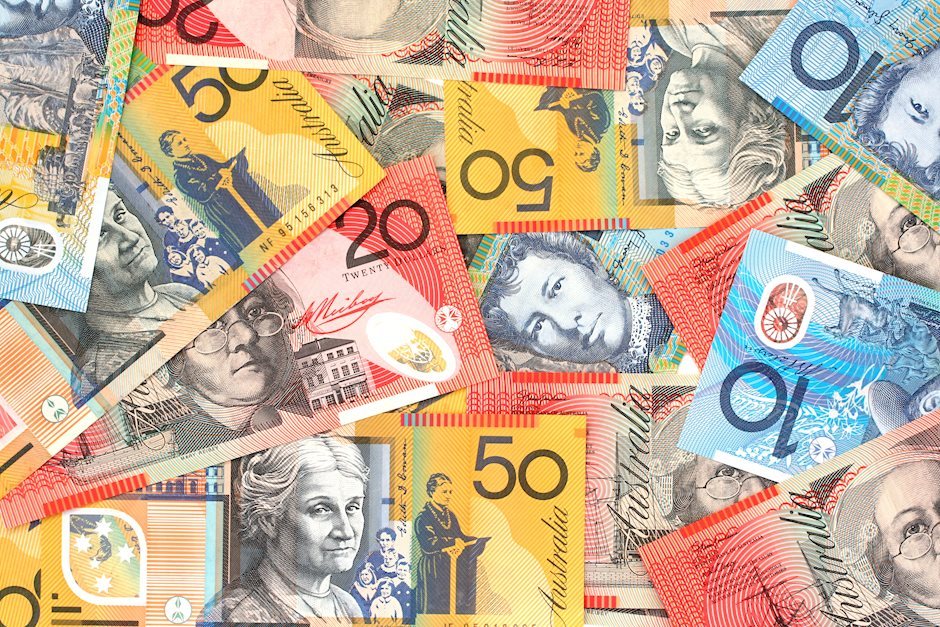

AUD/USD treads water around 0.7080, after rallying to the fresh two-month high, as the recent Fedspeak and headlines surrounding the China tariffs seemed to have poked the bulls. That said, the Aussie pair traders remain cautious ahead of Australia's monthly Consumer Inflation Expectations.
The Aussie pair rallied the most since mid-June after the US inflation figures tamed the market’s expectations of aggressive Fed rate hikes in the future. However, the Fed policymakers’ latest speeches signal no conviction and join the US-China tariff story to challenge the bulls.
As per the latest US inflation data, the US Consumer Price Index (CPI), declined to 8.5% on YoY in July versus 8.7% expected and 9.1% prior. The Core CPI, which excludes volatile food and energy prices, stayed unchanged at 5.9% YoY, compared to the market consensus of 6.1%.
Following the US inflation release, US President Joe Biden said on Wednesday that they are seeing some signs that inflation may be moderating, as reported by Reuters. "We could face additional headwinds in the months ahead," Biden added. "We still have work to do but we're on track," adds US President Biden.
“After Wednesday's CPI report, traders of futures tied to the Fed's benchmark interest rate pared bets on a third straight 75-basis-point hike at its Sept. 20-21 policy meeting, and now see a half-point increase as the more likely option,” said Reuters.
It should be noted that Minneapolis Fed President Neel Kashkari mentioned, “The Fed is far, far away from declaring victory on inflation." The policymaker added that he hadn't seen anything changing the need to raise the Fed's policy rate to 3.9% by year-end and 4.4% by the end of 2023. Elsewhere, Chicago Fed President Charles Evans mentioned, “The economy is almost surely a little more fragile, but would take something adverse to trigger a recession.” Fed’s Evans also called inflation "unacceptably" high.
Against this backdrop, Wall Street rallied, but the US Treasury yields remained mostly unchanged, ending the day at around 2.776%.
Looking forward, Australia’s Consumer Inflation Expectations for August, prior 6.3%, will be important for immediate direction. The weekly readings of the US Jobless Claims and the monthly Producer Price Index (PPI) for July could entertain the AUD/USD traders. However, major attention should be given to the qualitative factors in the wake of recent risk-negative headlines.
Technical analysis
A daily closing beyond the downward sloping trend line from April 20, around 0.7015 by the press time, keeps AUD/USD buyers hopeful of overcoming the immediate hurdle, namely the 200-DMA surrounding 0.7120.
Author
Anil Panchal
FXStreet
Anil Panchal has nearly 15 years of experience in tracking financial markets. With a keen interest in macroeconomics, Anil aptly tracks global news/updates and stays well-informed about the global financial moves and their implications.