 Dr. Woody Johnson
Independent Analyst
Emotions are energy; and if acknowledged as such and put into use you could gain a great deal of momentum towards your trading goals with them. Try this, think about the last great vacation you had or a major experience in your life where you accomplished something outstanding. As you close your eyes and activate the memory hone in on the details of what this event looked, sounded and felt like. As you focus on the sensory specifics you’ll notice that your emotions will begin to intensify. All of the feelings of joy, happiness, excitement and enthusiasm of the original occurrence will return allowing you to feel as though you were right back in that situation, emotional energy.
The same holds true for a painful and negative event. If you activate the memory, for example, of a trade that went sour where you lost a substantial amount of money, the frustration, sadness, anger and resentment will return. The emotional energy released in this exercise is remarkable and it will happen every time you stimulate the state that is connected to this memory. The fact that emotions are energy is well established. Additionally, it is important to recognize how central energy is to your trade. In fact, one of the definitions of trading is that it is energy management. Intensity of intention, focus and attention and the momentum of motivation pointed in the right direction of creating consistency in both mechanical and internal data will develop the capacity for emotional (energy) strength and endurance in the trade. This is a prescription for engaging your A-Game at the platform which translates to bringing your highest and best trader to execute and implement plans in your best interests.
What I am proposing is that, contrary to what many talking heads in and around the trading business say, it is not preferable to try to become an emotional robot. Firstly, it is impossible because emotions are an inextricable part of our humanness. Secondly, when humans make decisions, the research reveals that about 90% of what forms the foundation of the decision is based upon how you feel. Thirdly, even if you could become an emotional robot you wouldn’t want to because if you take away fear, anxiety, doubt, anger and/or envy, then the emotional energy created by those feelings of joy, happiness, calm, inspiration, determination and love must also be deleted; if you can take out some you must take out all. If this were to happen you could not take advantage of the massive positive energy that these emotions bring to the trade. When you feel the energy of confidence, self-esteem, faith and belief in your process and yourself, you are poised to be much more effective in following your rules and keeping your commitments.
Another element of energy management is in the way that you treat yourself before, during and after the trade. Consider this, if you talked to anyone else the way that you spew self-hatred on you, it would either end in fisticuffs or you might be defending yourself in court. Whether talking about trading or not, it is deplorable how people curse themselves, call themselves stupid, idiot, a lousy piece of you know what that is a poor excuse for a human being; and much worse.
Let me give a personal example. Years ago I was the executive director of a clinical group that was part of a large national managed care system. At one time my staff was close to 200 professionals, para-professionals and many line staff. During that stage in my career I began to notice that when I had made a poor decision I would go into a tirade toward myself. I caught myself saying things like, “You’re a worthless leader. What’s wrong with you? You are a disgrace. You’ll never be good enough.” Those thoughts aren’t merely critical, they reflect expectations I’ve struggled with my entire life: 1. I should be able to master things quickly and easily. 2. Learning should not involve frustration. 3. I want to be the best at what I do; anything less is without value. These statements are “limiting beliefs” that I held about myself and these beliefs became the main motivation for the unacceptable ways I talked to myself. I am not the victim of these perfectionistic expectations; a part of me demands that my life conform to the way I expect it to be. When those demands aren’t met anger usually results; it makes me furious that life and my expectations don’t match in the way I want them to. Does this sound familiar? In other words, do you denigrate, devalue and ostracize the part of you that is not living up to the standards of the perfectionistic part. The anger becomes so palpable that people have been known to assault themselves through beating their heads with their own fists!
When you become aware that you are verbally or physically assaulting yourself then you must step back, take a deep breath and remind yourself that you are greatly compromising your ability to accomplish the very goals that you have undertaken trading to achieve. It’s not easy but it is necessary to begin one statement at a time to reframe the offending declaration. In other words, change the content and/or the context of the statement. For example, to “You’re a worthless leader.” The reframe might be, “I am developing and I get better with every lesson that I learn.” This process requires you to become self-aware, meaning that you begin to monitor your thoughts and feelings. As you monitor them you will begin to catch yourself thinking and saying unacceptable negative statements. You must approach this as training for a long distance race. It takes a willingness to step-by-step develop the capacity for strength and endurance. In the beginning you may falter a bit, but just like training for that marathon, if you stay the course and take small baby steps you will begin to appreciate you and what you have to offer. After using this process and other mental and emotional tools I was able to substantially change my thoughts and therefore my behavior towards myself. Self-love can be difficult but not impossible. This is what we teach in the “Mastering the Mental Game” on-location and online courses. Ask your Online Trading Academy representative for more information. Also, get my book, From Pain to Profit: Secrets of the Peak Performance Trader.
Note: All information on this page is subject to change. The use of this website constitutes acceptance of our user agreement. Please read our privacy policy and legal disclaimer. Opinions expressed at FXstreet.com are those of the individual authors and do not necessarily represent the opinion of FXstreet.com or its management. Risk Disclosure: Trading foreign exchange on margin carries a high level of risk, and may not be suitable for all investors. The high degree of leverage can work against you as well as for you. Before deciding to invest in foreign exchange you should carefully consider your investment objectives, level of experience, and risk appetite. The possibility exists that you could sustain a loss of some or all of your initial investment and therefore you should not invest money that you cannot afford to lose. You should be aware of all the risks associated with foreign exchange trading, and seek advice from an independent financial advisor if you have any doubts.
Editors’ Picks

EUR/USD climbs to two-week highs beyond 1.1900
EUR/USD is keeping its foot on the gas at the start of the week, reclaiming the 1.1900 barrier and above on Monday. The US Dollar remains on the back foot, with traders reluctant to step in ahead of Wednesday’s key January jobs report, allowing the pair to extend its upward grind for now.

GBP/USD hits three-day peaks, targets 1.3700
GBP/USD is clocking decent gains at the start of the week, advancing to three-day highs near 1.3670 and building on Friday’s solid performance. The better tone in the British Pound comes on the back of the intense sekk-off in the Greenback and despite re-emerging signs of a fresh government crisis in the UK.

USD/JPY plummets to 156.00 amid rising intervention jitters
USD/JPY retreats markedly and revisits the 156.00 neighbourhod at the beginning of the week amid growing speculation that authorities could step in to curb further currency weakness. That chatter picked up after PM S. Takaichi secured a landslide victory in Sunday’s election, fuelling expectations of a firmer stance on the Yen.
Editors’ Picks
EUR/USD climbs to two-week highs beyond 1.1900
EUR/USD is keeping its foot on the gas at the start of the week, reclaiming the 1.1900 barrier and above on Monday. The US Dollar remains on the back foot, with traders reluctant to step in ahead of Wednesday’s key January jobs report, allowing the pair to extend its upward grind for now.
USD/JPY plummets to 156.00 amid rising intervention jitters
USD/JPY retreats markedly and revisits the 156.00 neighbourhod at the beginning of the week amid growing speculation that authorities could step in to curb further currency weakness. That chatter picked up after PM S. Takaichi secured a landslide victory in Sunday’s election, fuelling expectations of a firmer stance on the Yen.

Gold treads water around $5,000
Gold is trading in an inconclusive fashion around the key $5,000 mark on Monday week. Support is coming from fresh signs of further buying from the PBoC, while expectations that the Fed could turn more dovish, alongside concerns over its independence, keep the demand for the precious metal running.

Crypto Today: Bitcoin steadies around $70,000, Ethereum and XRP remain under pressure
Bitcoin hovers around $70,000, up near 15% from last week's low of $60,000 despite low retail demand. Ethereum delicately holds $2,000 support as weak technicals weigh amid declining futures Open Interest. XRP seeks support above $1.40 after facing rejection at $1.54 during the previous week's sharp rebound.
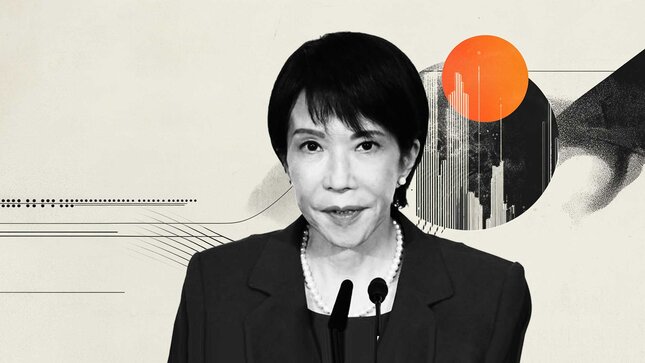
Japanese PM Takaichi nabs unprecedented victory – US data eyed this week
I do not think I would be exaggerating to say that Japanese Prime Minister Sanae Takaichi’s snap general election gamble paid off over the weekend – and then some. This secured the Liberal Democratic Party (LDP) an unprecedented mandate just three months into her tenure.
RECOMMENDED LESSONS
Making money in forex is easy if you know how the bankers trade!

I’m often mystified in my educational forex articles why so many traders struggle to make consistent money out of forex trading. The answer has more to do with what they don’t know than what they do know. After working in investment banks for 20 years many of which were as a Chief trader its second knowledge how to extract cash out of the market.
5 Forex News Events You Need To Know

In the fast moving world of currency markets where huge moves can seemingly come from nowhere, it is extremely important for new traders to learn about the various economic indicators and forex news events and releases that shape the markets. Indeed, quickly getting a handle on which data to look out for, what it means, and how to trade it can see new traders quickly become far more profitable and sets up the road to long term success.
Top 10 Chart Patterns Every Trader Should Know

Chart patterns are one of the most effective trading tools for a trader. They are pure price-action, and form on the basis of underlying buying and selling pressure. Chart patterns have a proven track-record, and traders use them to identify continuation or reversal signals, to open positions and identify price targets.
7 Ways to Avoid Forex Scams

The forex industry is recently seeing more and more scams. Here are 7 ways to avoid losing your money in such scams: Forex scams are becoming frequent. Michael Greenberg reports on luxurious expenses, including a submarine bought from the money taken from forex traders. Here’s another report of a forex fraud. So, how can we avoid falling in such forex scams?
What Are the 10 Fatal Mistakes Traders Make
Trading is exciting. Trading is hard. Trading is extremely hard. Some say that it takes more than 10,000 hours to master. Others believe that trading is the way to quick riches. They might be both wrong. What is important to know that no matter how experienced you are, mistakes will be part of the trading process.
The challenge: Timing the market and trader psychology

Successful trading often comes down to timing – entering and exiting trades at the right moments. Yet timing the market is notoriously difficult, largely because human psychology can derail even the best plans. Two powerful emotions in particular – fear and greed – tend to drive trading decisions off course.