|

US crypto enforcement is no more
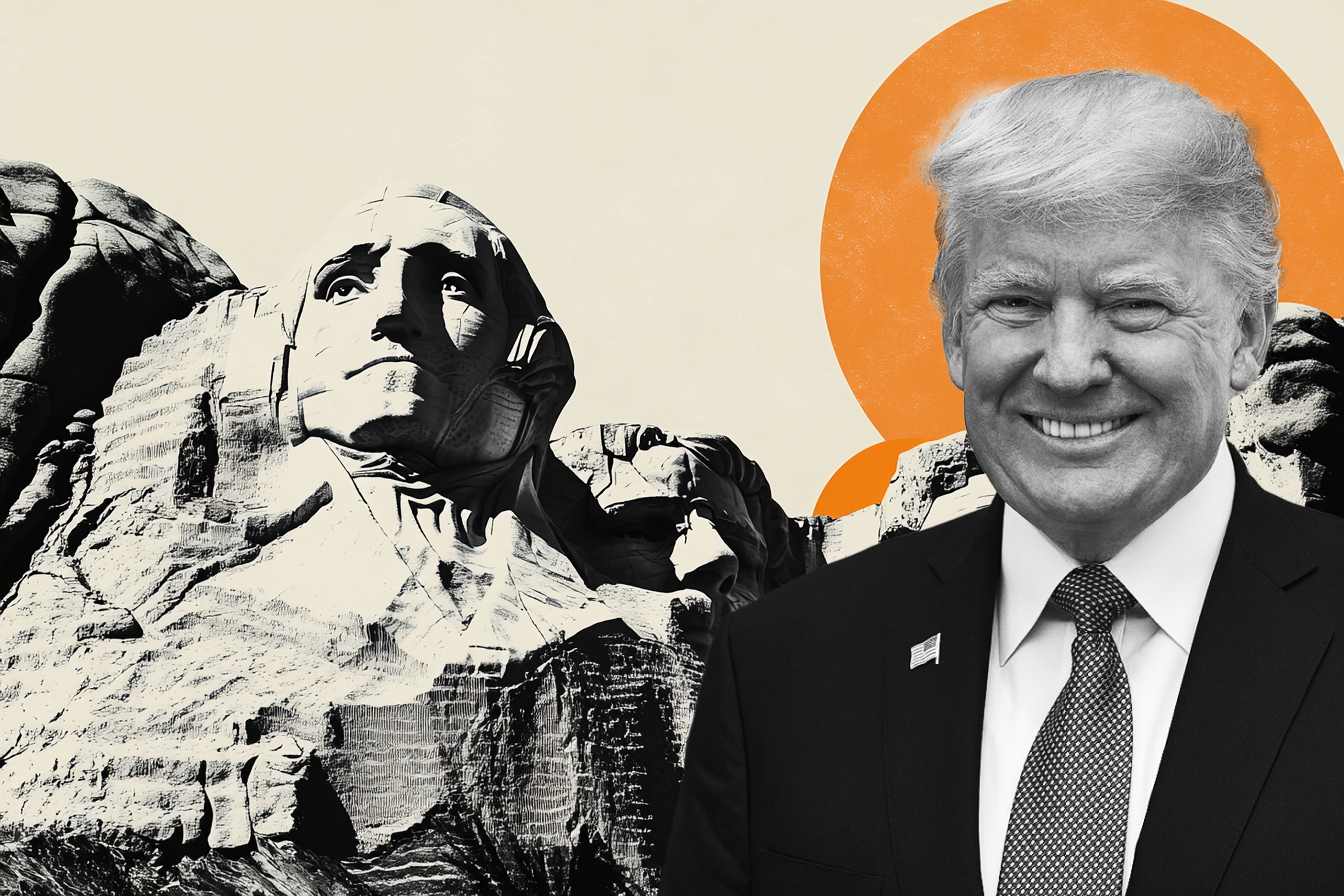
The Trump administration is rolling back crypto enforcement, shifting focus away from prosecuting platforms for user actions.

The US Department of Justice is changing its approach to cryptocurrency enforcement under the Trump administration. Federal prosecutors will no longer target crypto platforms, wallets, or mixers for the actions of their users, unless there’s clear evidence of intentional wrongdoing. This policy shift comes after President Trump revoked earlier regulations aimed at controlling crypto risks, aiming instead to boost US leadership in digital finance.

Deputy Attorney General Todd Blanche outlined the new strategy in a memo, announcing the end of the National Cryptocurrency Enforcement Team and criticizing the previous administration's legal approach as “reckless.” Prosecutors have been told to avoid bringing cases related to crypto regulation unless there's proof the defendant knowingly broke the law.

This change could affect ongoing cases like the one against Tornado Cash’s founders, who were accused of helping launder over $1 billion, including funds linked to North Korea’s Lazarus Group. Defense lawyers argue the new policy supports dropping those charges.

The DoJ will now focus on crypto cases involving fraud, scams, or direct harm to investors, stepping back from broader efforts to regulate the industry through prosecution.                                                                                                                              

Author

Jacob Lazurek

Jacob Lazurek

Coinpaprika

In the dynamic world of technology and cryptocurrencies, my career trajectory has been deeply rooted in continuous exploration and effective communication.


More from Jacob Lazurek
Share:

Editor's Picks

XRP falls toward $1.00 amid muted ETF activity
Ripple (XRP) edges lower toward the short-term $1.05 psychological support level at the time of writing on Wednesday. This marks three consecutive days of losses, undermining investor interest and the broader optimism for a potential deal between the United States (US) and Iran to reopen the Strait of Hormuz.
Swiss-based Taurus gives banks access to Hedera via unified digital asset platform
Taurus, a Switzerland-based digital asset infrastructure provider, announced on Wednesday that it has extended its services, targeting banks and regulated financial institutions on the Hedera (HBAR) network. Meanwhile, HBAR is paring losses, trading above $0.0650 at the time of writing. The token shows signs of stability amid a broader bearish trend.
Crypto markets trade muted, lag risk rally
Whilst hopes for a US-Iran agreement to revive the Strait of Hormuz and renewed AI-trade optimism lifted US equities to all-time highs, major cryptocurrencies remained largely sidelined on Wednesday. Bitcoin and Ether hovered near $64,000 and $1,800, respectively, extending their recent period of consolidation rather than participating in a broader risk rally they would normally follow.
Crypto Today: Bitcoin, Ethereum advance while XRP lags amid US-Iran deal optimism
Bitcoin (BTC) hovers near $64,000 at the time of writing on Wednesday, buoyed by a marginal improvement in crypto sentiment amid growing optimism that the United States (US) and Iran could potentially reach an agreement to open the Strait of Hormuz this week. Ethereum (ETH) mirrors Bitcoin’s neutral-to-bullish outlook, trading toward $1,900.
Bitcoin: Bulls hold the line
Bitcoin (BTC) edges slightly lower, trading at $64,300 at the time of writing on Friday but holding firmly above a key support zone. US-listed spot Bitcoin Exchange Traded Funds (ETFs) support BTC as they continued to attract institutional flows through Thursday, pointing to the fourth consecutive week of net inflows.