The Bitcoin Price Briefly Soars Above $1,600
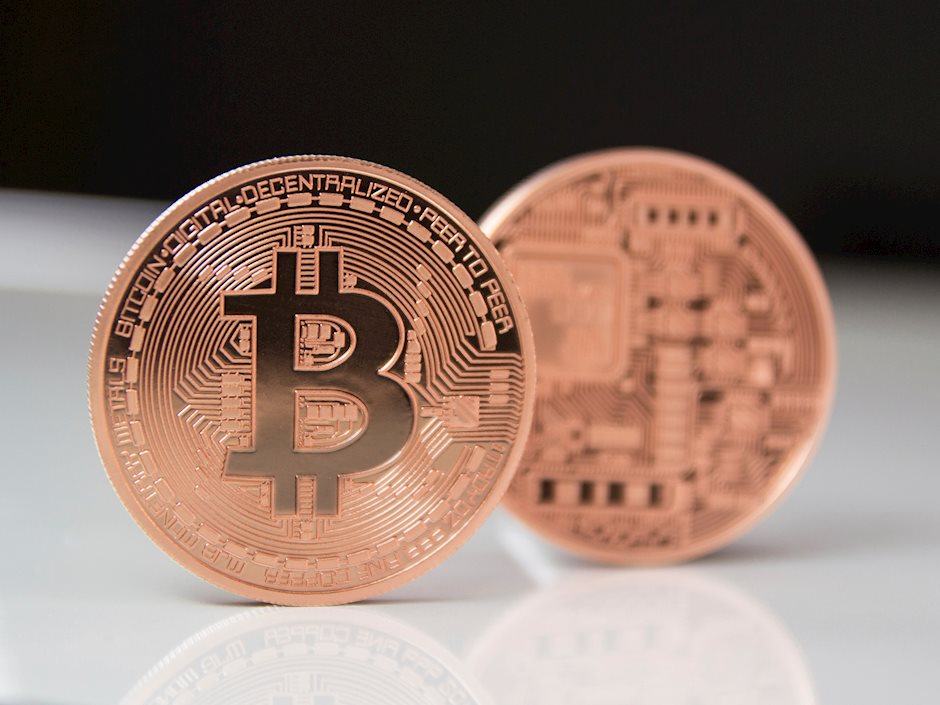

Bitcoin Temporarily Explodes Higher
Bitcoin has been skyrocketing lately. One month ago, the price of bitcoin was $1,139. By early Thursday it was at $1,567. That’s a 37.6% rally. It’s a hyperbolic increase which is unsustainable. Whenever any asset goes hyperbolic, it’s best to step out of the way and stop buying. As a reminder, I think gradually buying bitcoin on dips makes sense. This strategy led me to recommend bitcoin in the $900s. I don’t ever recommend selling your bitcoin for dollars because bitcoin is a long-term store of value. Selling bitcoin is a hassle and trading it on short term movements is a fool’s game unless you’re very confident in your technical analysis. Trump appointed a new SEC chairperson who may decide to approve or deny the Winklevoss Bitcoin ETF (which is being looked at again). That’s just one example of unpredictable news which can alter the price quickly.
One of the reasons bitcoin has been rallying is because Bitfinex is having withdrawal issues. The current price of bitcoin at Bitfinex is about $100 higher than what Coindesk has. The liquidity problems caused upward pressure on the price of bitcoin. As you can see from the chart below, Bifinex is the second largest exchange by volume, with Coinbase being the highest. To be clear, I advise taking your savings out of these digital wallets and putting it in a hardware wallet such as Trezor or Keepkey.

Another reason bitcoin is increasing is because Japan changed its tax treatment on bitcoin late last year. Starting in July, the consumption tax for bitcoin, which is now 8%, will be eliminated. The other catalyst for bitcoin’s growth in Japan is, starting in April, the government has required bitcoin firms to get a special license which sets standards for finances and asset management structures. This provides some stability in the marketplace which has been skeptical to get involved with bitcoin after the failure of Mt. Gox in 2014. 18 firms applied for this license, 10 of which are new companies entering the market. They are entering because of the new demand created from this government action. Critics of bitcoin claim that the government will try to shut it down, but the opposite appears to be occurring in Japan. Bitcoin will flow through whichever state or country has the lowest taxes and obstruction from the government. The proof that Japan is behind the recent rally in bitcoin is shown in the chart below, as you can see 43.63% of bitcoin was traded in Japanese Yen in the past 24 hours.

As I mentioned bitcoin is very volatile which means getting excited and buying it to capture momentum is a bad idea. The latest prices I mentioned in the beginning of this post will probably be much different by the time you read this (in the process of editing this post, I see it has fallen over $100). The long game for bitcoin is that it replaces the long bond as a place to keep your money safe. The government may accelerate this trend of investors leaving the long bond by the Fed unwinding its balance sheet while the federal government starts issuing longer dated bonds to avoid interest rate risk. The best way to avoid interest rate risk wouldn’t be to lock in the current rate, it would be to stop spending money recklessly. When you have excess credit card debt, combining it and getting a lower rate is a start, but it won’t matter if you keep spending money you don’t have.
Oil Crashes To The Mid-$40s
Oil fell sharply again on Thursday. WTI fell 4.8% to $45.52 which is the worst day for the oil market since March 8th. There’s a few reasons why it fell. The first reason is one I mentioned in my last article. Libyan factions are working on a power-sharing agreement which could boost crude production. Libya currently produces 700,000 barrels per day. If the peace agreements work out, the country could up production to 1.5 million barrels per day.
The second factor on why oil prices have fallen is that OPEC is disoriented. Saudi Arabia has had to over-comply with the cuts in oil production to below 10 million barrels per day to make up for production of Iran and Iraq who are gaining market share. Saudi Arabia’s output ceiling was 10.058 million barrels per day which represented a 486,000 barrel per day reduction. Iraq promised to cut production by 210,000 barrels per day to 4.351 million barrels per day, but has mostly failed to comply with this agreement. Iran was allowed to increase its oil production to 3.797 million barrels per day. It has exceeded the production limits of this deal in February.
This situation explains the choice Saudi Arabia has heading into to the OPEC meeting on May 25th. If it continues the cuts and possibly increases them, Iran and Iraq may take advantage of the cuts by increasing market share, which will prevent oil from rising and the oil glut from subsiding. American production also is keeping a lid on prices. However, if Saudi Arabia eliminates the cuts, this could cause oil to plummet to the mid-$30s. The growth in American oil production has forced Saudi Arabia’s hand, putting it in a lose-lose scenario. The is going to catch Saudi Arabia off guard as it has based its 2017 budget off oil revenues increasing 46% from last year. The government reinstated perks for civil servants. Those perks may have to be rescinded with the recent fall in oil prices.
The best situation for Saudi Arabia would be for it to agree on production cuts in the May meeting while having Iran and Iraq take on some of the burden. This could lower the glut. This seems like an unlikely situation since Iran is a rival of Saudi Arabia. Saudi Arabia could threaten to stop its cuts which would cause oil to plummet, hurting all OPEC and non-OPEC nations. The question is which country’s oil ministers are the best at utilizing game theory to get what they want.
Don Kaufman: Trade small and Live to trade another day at Theotrade.
Don Kaufman: Trade small and Live to trade another day at Theotrade.
Author
TheoTrade Analysis Team
TheoTrade, LLC
Don Kaufman, Co-Founder, Chief Derivatives Instructor (Trader Stocks, Options, Futures) Don is one of the industry's leading financial strategists and educational authorities.