Gold is sending a message to markets

Gold has a habit of moving before the macro narrative becomes obvious. What are its recent price moves telling us?
In recent weeks, the precious metal has been quietly regaining momentum, even as interest rate expectations remain uncertain and global growth signals stay mixed. Following the rejection from its all-time highs around the $5,600 mark per troy ounce in late January, prices subsequently plummeted to nearly $4,400 in the onset of February, just to pick up pace afterwards and accelerate the bounce in tandem with the swelling effervescence in the Middle East.
At first glance, the rally might look like a simple safe-haven move. But the forces supporting bullion appear broader.
Geopolitics, energy markets and central bank demand are all feeding into the same dynamic: rising macro uncertainty.
Geopolitics back in focus
Escalating tensions in the Middle East have revived demand for traditional safe-haven assets.
When geopolitical risks intensify, Gold often becomes one of the first assets investors reach for. Unlike currencies or government bonds, it carries no political affiliation and no credit risk.
In periods of global uncertainty, that neutrality becomes attractive. Recent developments in energy markets have only reinforced that dynamic.
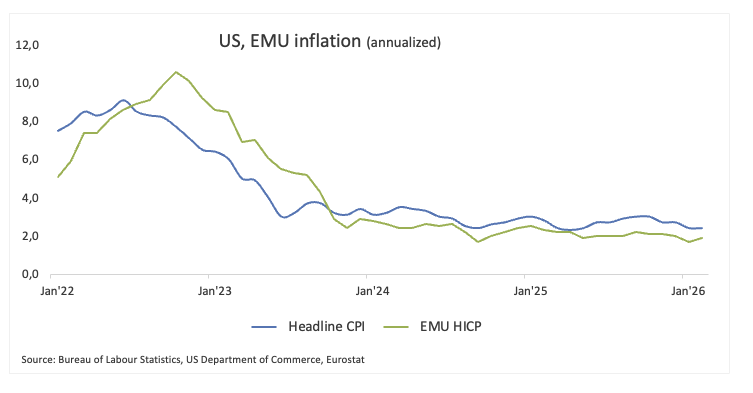
Energy and inflation risk
Rising energy prices tend to have a complicated relationship with financial markets.
Higher Oil and Gas prices can lift inflation expectations, tighten financial conditions and complicate central bank policy decisions.
Europe’s recent surge in Natural Gas prices, with Dutch TTF futures climbing sharply, is a reminder that energy shocks rarely remain confined to commodity markets.
Gold, particularly, tends to respond early to those risks.
If energy costs begin feeding back into inflation dynamics, the yellow metal often benefits from its role as a store of value.
Central banks continue to be buyers
A key structural element bolstering Gold's position is the ongoing demand from central banks.
Over the past few years, numerous central banks in emerging markets have consistently expanded their Gold reserves, integrating the metal into their wider diversification plans.
This development may be signalling a marked shift in the global financial scenario. Indeed, a number of nations seem keen on lessening their dependence on established reserve currencies.
Against this, bullion remains a compelling option, as its enduring liquidity and its long-standing position within the global monetary framework positions it as a desirable haven for value.
The rates puzzle
More often than not, the yellow metal tends to come under pressure when real interest rates are on the rise.
When yields rise, the cost of not investing in something that pays interest goes up, which makes Gold a bit less appealing to those looking to invest.
But Gold has proven surprisingly strong even with rate expectations still fairly high. This strength hints that something else is at play, something beyond the usual rate-driven factors.
Geopolitical tensions, central bank purchases, and uncertainty about inflation are all part of a larger economic picture that's still supportive of Gold.
Positioning data paints a more nuanced picture
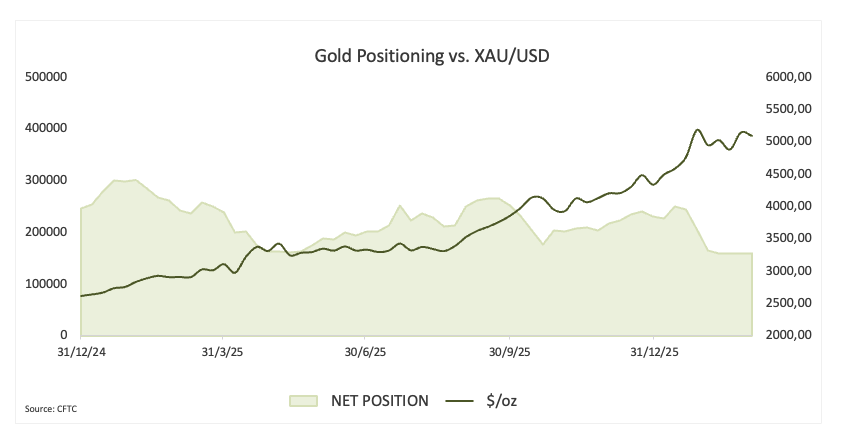
According to the Commodity Futures Trading Commission (CFTC), speculative net long positions in the metal climbed to approximately 160.1K contracts during the week ending March 3. This represents the most significant level seen in about a month.
Simultaneously, open interest dipped to just under 408K contracts, down from roughly 420K. This decrease implies that the change in positioning indicates a period of consolidation rather than a surge of new buying activity.
Price action also reflected that adjustment phase. Gold futures settled near $5,088 per troy ounce on March 3, down from roughly $5,142 a week earlier, indicating that speculative interest remained constructive even as prices briefly retraced.
In practical terms, positioning suggests sentiment toward Gold is improving, but the market does not yet appear excessively crowded. That leaves room for further accumulation should geopolitical risks, energy prices or inflation concerns continue to support the metal.
To sum up
For now, Gold’s move is not about panic but about positioning.
Markets tend to react to macro shocks in stages. Energy often moves first. Gold tends to follow. Policy and currencies adjust later.
If the current mix of geopolitical tension and energy volatility persists, the precious metal may simply be the first asset responding to a broader shift in the macro landscape.
And when Gold starts listening to the macro noise, other markets rarely remain silent for long.
Author

Pablo Piovano
FXStreet
Born and bred in Argentina, Pablo has been carrying on with his passion for FX markets and trading since his first college years.