Fed hits pause button; Announces new meeting format
The Fed hit the pause button at its October meeting despite elevated inflation and gave little indication about what comes next.
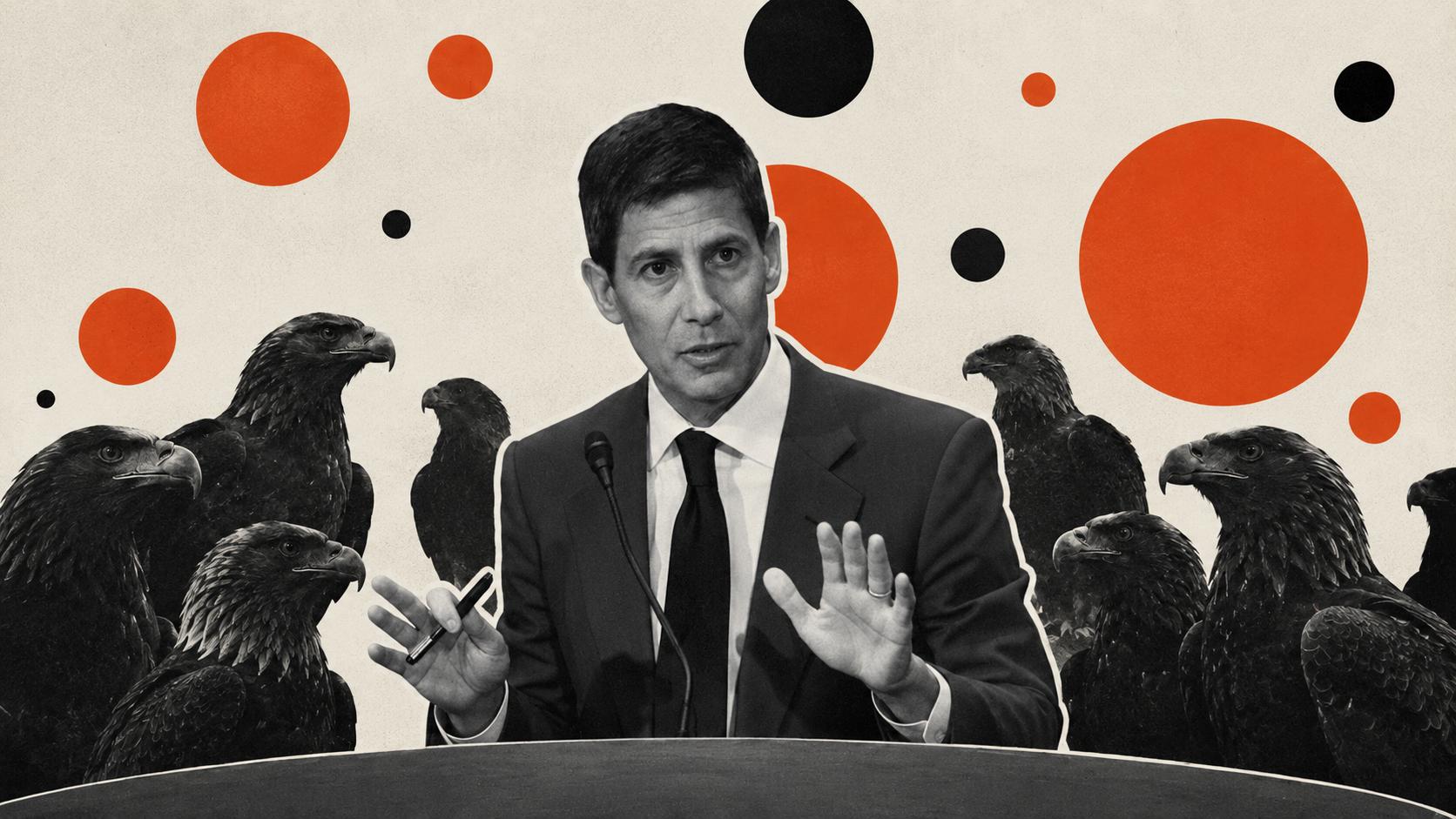
Federal Reserve Chairman Kevin Warsh also announced that the Fed will hold fewer rate-setting meetings in the future.
Fed does little, says less
The Federal Open Market Committee (FOMC) voted 10-2 to maintain the federal funds rate in a range between 3.75 and 4 percent.
Lisa Cook and Beth Hammack dissented and voted for a quarter-point rate hike.
Markets widely anticipated the pause and were looking for hints about what the Fed might do at its December meeting. However, Warsh & Co. remained tight-lipped.
The official FOMC statement noted that “inflation remains elevated,” and suggested the committee wants more information to gauge the effect of September’s quarter-point hike.
“The accumulation of more information will help the Committee determine the policy stance appropriate to ensure a timely return of inflation to the Committee’s 2 percent goal. The Committee will deliver price stability.”
Warsh doubled down on this vague messaging at his press conference, once again asserting he doesn’t believe the central bank should provide “forward guidance” during normal times.
“I don’t believe in forward guidance, absent exigent circumstances, absent a crisis.”
He added a caveat:
“In the darkest days of the 2008 financial crisis, in part using some literature and thinking from a very recent Nobel Prize winner, that kind of forward guidance is actually quite helpful. But in normal, ordinary times, especially times where the underlying real economy is this strong, I don’t believe in it. I don’t favor it.”
The Fed currently believes the economy is “expanding at a strong pace.”
Warsh said the FOMC will gather more information in the coming weeks before deciding whether it's necessary to resume rate hikes in December.
"The period right in front of us is information rich. There's a lot happening in the world. My colleagues and I are keen to take notice of it." Warsh said, adding that they will determine "the appropriate protocol" in the weeks ahead.
Reaction to the Fed’s non-move
It remains unclear why the Fed put rate hikes on pause. CPI has been above the mythical 2 percent target for 67 consecutive months. Core CPI rose by 0.3 percent last month.
DoubleLine Capital CEO Jeffrey Gundlach told CNBC he thinks the central bank should be hiking based on the current bond market, noting that the 2-year Treasury is at 4.75 percent, and Warsh just said the economy is strong.
“What are you waiting for? You just upgraded the economy right here.”
Some pundits speculate the Fed paused rate hikes to support the stock market in the days leading up to the midterm elections. Warsh insisted that was not the case.
“I just spent two days with my colleagues upstairs. I didn’t hear an utterance about politics. I didn’t hear a reference to politics, elections, what’s happening in the next week or so. Didn’t hear anything about it, and I don’t believe it had any role in the decision, not just for me, but my colleagues around the room."
We’ll never know if political considerations drove the decision, but there are $40 trillion good reasons to hold rates steady despite elevated price inflation.
Of course, I’m referring to the national debt. And that’s just one part of the massive debt black hole dominating the U.S. economy. Debt-riddled economies don’t function well in a high-interest-rate environment.
This is the Catch-22 the central bank has faced for months, and there’s still no easy way out. It needs to cut rates to support the debt bubble, and it needs to raise rates to slay price inflation. It can’t do both, and a pause makes sense in this context.
New meeting format
The biggest news coming out of the October Fed gathering was the announcement of a new meeting schedule beginning next year.
Warsh said the FOMC will still meet eight times a year, calling it “the right number for the FOMC.”
However, one meeting next year will focus solely on strategy, and the committee will not make a rate-setting announcement. In 2028, the FOMC will move to two strategy sessions and six rate-setting meetings.
Warsh called the reason for the change “straightforward.”
“Getting policy right involves assessing near-term developments at timely, regular, and information-rich intervals. But it’s equally important we reserve time and space as an intellectually diverse group for strategic deliberations, for thinking anew about big questions, looking out over longer time horizons, focusing, as I say, on the left side of the decimal point.”
Warsh said changing the meeting format is “more than some administrative detail.”
“It’s an institutional choice, affecting the nature and the quality of our deliberations, and ultimately the wisdom of our decisions. It’s yet another change to get the conduct of monetary policy on the right track.”
To receive free commentary and analysis on the gold and silver markets, click here to be added to the Money Metals news service.
Author

Mike Maharrey
Money Metals Exchange
Mike Maharrey is a journalist and market analyst for MoneyMetals.com with over a decade of experience in precious metals. He holds a BS in accounting from the University of Kentucky and a BA in journalism from the University of South Florida.