EUR/USD Weekly Forecast: US inflation could hint at Fed’s next move
- Fresh tariff tensions are set to keep weighing on the market’s mood.
- US June Consumer Price Index to shed light on Federal Reserve’s next move.
- EUR/USD corrective decline may continue once below the 1.1650 region.
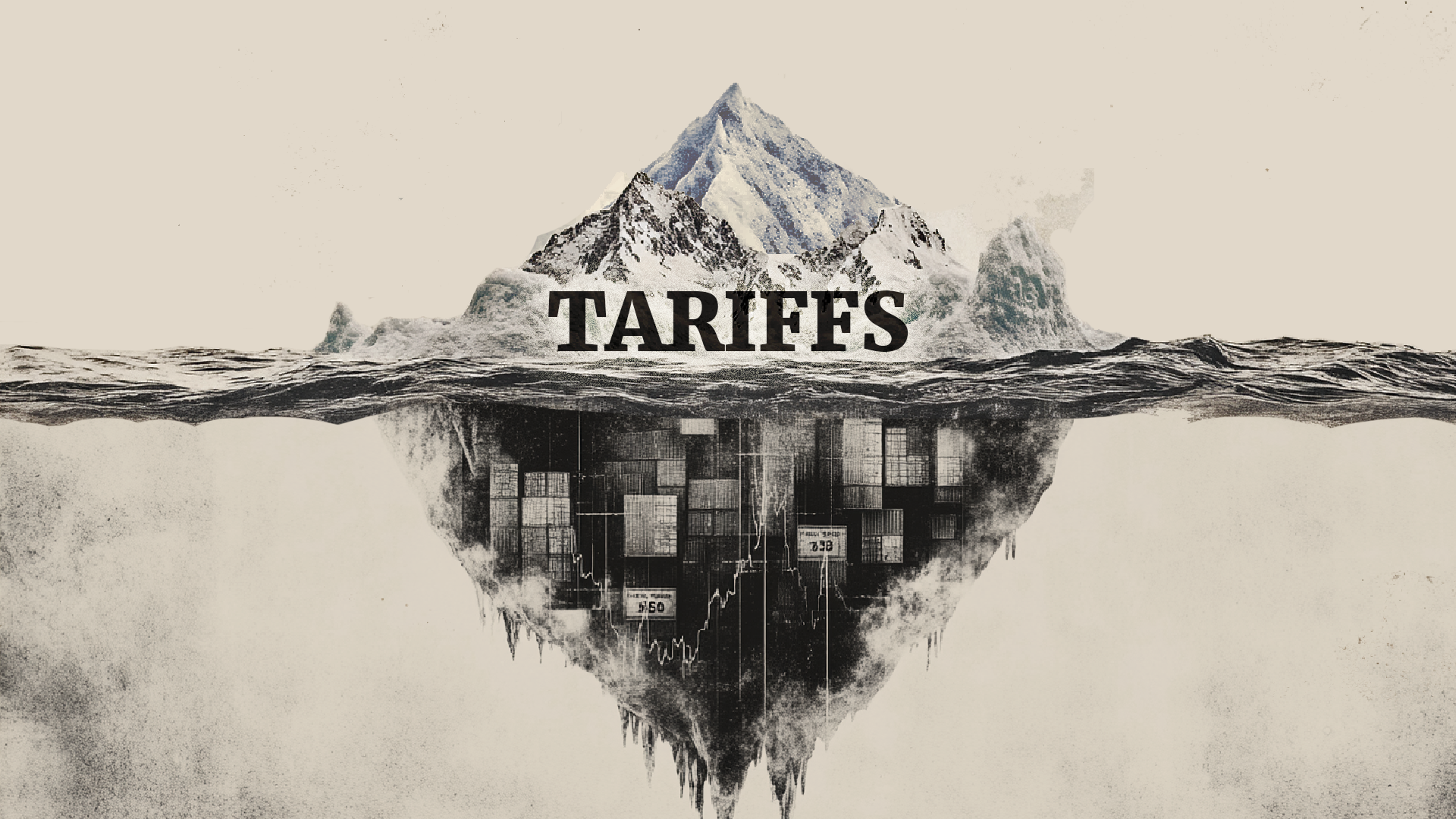
The EUR/USD pair edged lower in the past week, settling a handful of pips below the 1.1700 mark, further retreating from the multi-year peak posted early in July at 1.1830. Financial markets kept revolving around the United States (US) President Donald Trump's targets. With geopolitical woes cooling down, Trump’s focus returned to tariffs, and the Federal Reserve’s (Fed) wait-and-see stance on monetary policy.
Trump fixated on tariffs and Powell
Since the week started, speculative interest kept their eyes on the July 9 tariffs deadline. Trump announced massive retaliatory levies on over 180 trading partners in May, quickly establishing a 90-day grace period afterwards. His goal was to clinch better trade deals with all these nations. But as the date loomed, deals were scarce. The US made some trade arrangements with some minor economies, such as Vietnam, but there were none with major counterparts, nor, of course, with China.
The US President then decided to send letters establishing tariffs ranging between 20% to 40% to roughly 40 countries, while extending the grace period to August 1. He also announced a 50% levy on Brazil, blaming the country for unfair trade practices and for conducting a “witch hunt” against former right-wing President Jair Bolsonaro. He added a 50% tax on all copper imports and a 35% levy on Canadian goods. Finally, Trump said that the remaining countries are likely to suffer tariffs of 15% or 20% in an interview with NBC on Friday.
Trump posted pictures of his letters on Truth Social. But he did not use social media just to share his fresh tariffs. He also resumed attacking Fed Chairman Jerome Powell.
Trump continued to demand lower rates, claiming that the benchmark interest rate should be at least 3 points lower than its current level. He did not hesitate to call Powell “Too Late,” or even worse, a whining baby, who complains “about non-existent Inflation for months, and refuses to do the right thing." Trump also called on Powell to resign, so he can appoint a new chair who will lower interest rates.
Treasury Secretary Scott Bessent has been mentioned as a potential replacement for Powell, alongside Director of the National Economic Council Kevin Hassett, Fed Vice Chair Michelle Bowman, and Fed Governor Christopher Waller.
Trump’s threats have fueled market uncertainty, somehow supporting the Greenback due to its safe-haven status. Still, as concerns affect the US economic future, the US Dollar (USD) advance was limited.
FOMC Minutes and more tepid EU data
The calendar these days offered the Federal Open Market Committee (FOMC) Minutes from the June meeting. US officials aligned behind Chairman Powell, repeating that tariff-related uncertainty has diminished but remains elevated. The majority of policymakers think that some reduction in the federal fund rate is both likely and appropriate before year-end, although some officials prefer not to make reductions this year.
Meanwhile, data releases in the Eurozone were far from encouraging. The July Sentix Investor Confidence Index improved to 4.5 from -0.2 in June, yet Retail Sales were down 0.7% in May, much worse than the previous monthly reading of 0.3%. Also, Germany confirmed the July Harmonized Index of Consumer Prices (HICP) at 2% YoY.
The figures had no actual impact on the Euro (EUR), as sentiment leads the way.
Data releases have had quite a limited impact on prices
During the upcoming days, the macroeconomic calendar will include the US June Consumer Price Index (CPI), scheduled for next Tuesday, and Retail Sales for the same month to be out on Thursday. Finally, the country will release the preliminary estimate of the July Michigan Consumer Sentiment Index on Friday.
The Eurozone macroeconomic calendar will be lighter, with Germany unveiling the July ZEW Survey on Economic Sentiment and the release of the final estimate of the June HICP.
Multiple Fed officials will be on the wires, although they are not expected to bring anything new to the table. Most likely, their words will align with Chair Powell’s on-hold stance.

EUR/USD technical outlook
The weekly chart for the EUR/USD pair shows it began correcting overbought conditions. Technical indicators eased from their recent peaks and head firmly lower, yet still close to overbought readings, which suggests that bulls paused but have not yet given up. Furthermore, the 20 Simple Moving Average (SMA) maintains its firmly bullish slope, far above the converging 100 and 200 SMAs.
Measuring the May/July rally, EUR/USD is still above the 23.6% Fibonacci retracement at 1.1650, the immediate support level ahead of the more relevant 38.2% retracement at around 1.1540.
Technical readings in the daily chart paint a similar picture. The EUR/USD pair is finding buyers for a second consecutive day at around a mildly bullish 20 SMA, which stands a handful of pips above the mentioned 23.6% retracement. At the same time, the 100 SMA heads firmly north over 400 pips below the current level. Finally, technical indicators aim south within positive levels, reflecting increased selling interest, yet falling short of confirming another leg south.
The pair faces near-term resistance at 1.1720, and a stronger one around 1.1770. Advances beyond the latter should indicate the corrective decline is complete and open the door for a rally beyond the 1.1830 yearly high.
US-China Trade War FAQs
Generally speaking, a trade war is an economic conflict between two or more countries due to extreme protectionism on one end. It implies the creation of trade barriers, such as tariffs, which result in counter-barriers, escalating import costs, and hence the cost of living.
An economic conflict between the United States (US) and China began early in 2018, when President Donald Trump set trade barriers on China, claiming unfair commercial practices and intellectual property theft from the Asian giant. China took retaliatory action, imposing tariffs on multiple US goods, such as automobiles and soybeans. Tensions escalated until the two countries signed the US-China Phase One trade deal in January 2020. The agreement required structural reforms and other changes to China’s economic and trade regime and pretended to restore stability and trust between the two nations. However, the Coronavirus pandemic took the focus out of the conflict. Yet, it is worth mentioning that President Joe Biden, who took office after Trump, kept tariffs in place and even added some additional levies.
The return of Donald Trump to the White House as the 47th US President has sparked a fresh wave of tensions between the two countries. During the 2024 election campaign, Trump pledged to impose 60% tariffs on China once he returned to office, which he did on January 20, 2025. With Trump back, the US-China trade war is meant to resume where it was left, with tit-for-tat policies affecting the global economic landscape amid disruptions in global supply chains, resulting in a reduction in spending, particularly investment, and directly feeding into the Consumer Price Index inflation.
Author

Valeria Bednarik
FXStreet
Valeria Bednarik was born and lives in Buenos Aires, Argentina. Her passion for math and numbers pushed her into studying economics in her younger years.