Energy shock 2.0: Why rising Gas prices could hit the Euro
Even without a confirmed, sustained disruption, the mere risk to a key global energy chokepoint is enough to inject a significant premium into European Gas markets. And for the Euro, that matters.
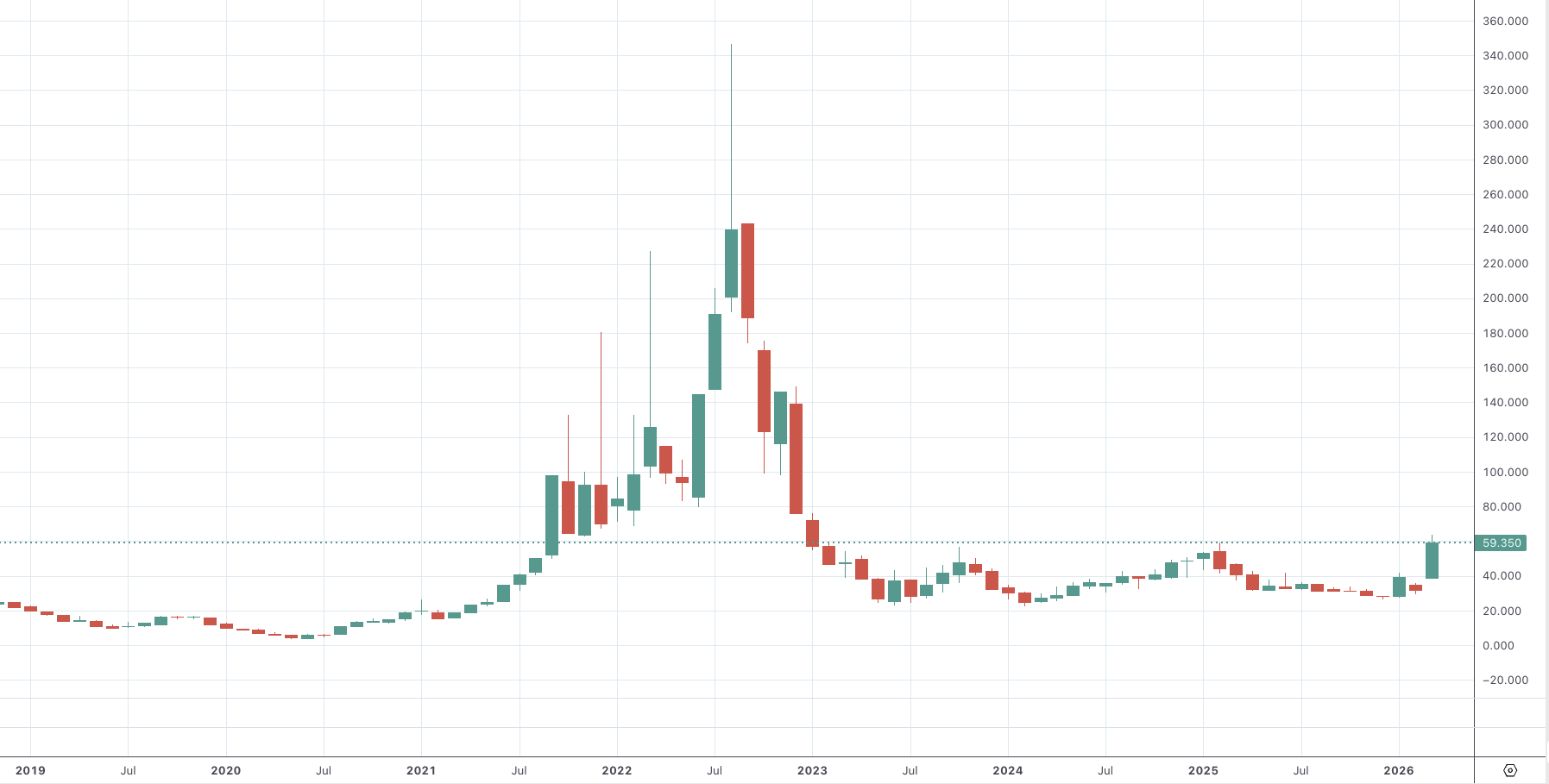
Dutch TTF Gas futures are extending their rally, hitting levels last seen in February 2025 near €65 per MWh on Tuesday. The move higher comes as the war involving the US, Israel, and Iran rages on, with markets increasingly focused on the vulnerability of LNG (liquefied natural Gas) flows through the Strait of Hormuz.
Why is this different from a normal energy move?
Europe's structural exposure to LNG imports has increased compared to its pre-2022 levels. The pivot away from Russian pipeline Gas increased flexibility, but it also increased exposure to global shipping lanes and supply from the Middle East, which is now in question.
When questions arise about LNG flows:
- Storage refill assumptions become uncertain.
- Hedging by utilities is seen gathering pace.
- Demand risks from the industrial sector could start to emerge.
- The trade balance worsens.
And before long, that spills over into the currency space. The Euroland is a net importer of energy, so higher Gas prices act as a terms-of-trade shock. If sustained, they erode external balances and tighten financial conditions without any policy action. We saw it when Russia invaded Ukraine.
That is not neutral for EUR/USD.
-1772548797552-1772548797552.png)
Inflation risk back on the table? An ECB problem
If elevated Gas prices persist, the macro implications become unavoidable.
Energy is not just a commodity input. It is an inflationary driver, a confidence channel, and a policy constraint.
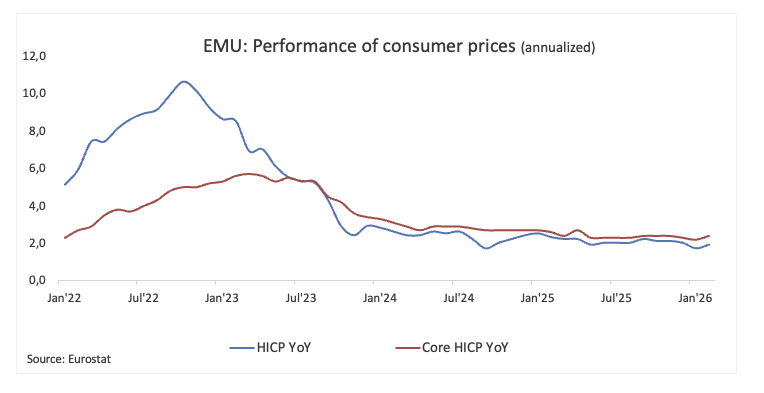
For the European Central Bank, sustained Gas strength complicates the disinflation narrative. Even if core pressures are moderating, another energy surge risks pushing headline inflation back into uncomfortable territory – especially if it coincides with fragile growth.
That creates an uncomfortable mix:
- Softer growth.
- Sticky or re-accelerating headline inflation.
- Limited space for aggressive easing.
Markets tend to treat that combination cautiously.
Scenario framework: Where EUR/USD goes from here
Let’s think in probabilities, not headlines.
1. Contained Escalation – Risk Premium Fades (60%)
In this scenario, geopolitical tensions stay elevated, but crucially, they stop short of materially disrupting LNG flows.
TTF stays stable after a spike. Plans to refill storage are moving forward, and energy prices are still under control.
EUR/USD may experience short-term volatility, but the impact fades. US growth and Fed expectations once again drive the pair.
This scenario is the market’s preferred outcome.
2. Prolonged Disruption – Energy Shock 2.0 (30%)
Should there be a material disruption to LNG flows through the Strait of Hormuz or a meaningful surge in shipping costs,
- TTF extends its rally.
- European industrial margins compress.
- Trade balances weaken.
- Headline inflation re-accelerates.
In this environment, EUR/USD likely faces sustained pressure.
The external balance channel would hit the European currency, while the US Dollar would benefit from both safe-haven demand and relative energy independence. The result is the asymmetric risk.
3. Escalation + Oil Surge – Broad Energy Repricing (10%)
If Gas and Oil both spike sharply:
- Global inflation expectations rise.
- Rate volatility increases.
- Risk sentiment deteriorates.
The Dollar typically performs well in this mix, especially if US growth proves more resilient than European activity. EUR/USD downside could accelerate under this configuration.
Anticipation is the trade
What makes this moment interesting is not what's already happened, but what markets are starting to anticipate.
Energy markets are forward-looking. TTF’s surge suggests traders are no longer pricing just noise; they are pricing duration risk. If duration risk becomes embedded, EUR/USD will not be immune.
For now, this remains a geopolitical premium story. However, if the premium persists, it evolves into a macro one, and that is when currency markets tend to move decisively.
In that world:
- Europe imports inflation.
- The ECB loses flexibility.
- The Dollar benefits from relative insulation.
The TTF tends to move first, almost like an early warning system for Europe. And more often than not, the FX galaxy pays attention to that signal and adjusts accordingly.
If TTF stabilises and the energy panic fades, EUR/USD could reasonably drift back toward the 1.1850-1.1950 area as the geopolitical premium embedded in the US Dollar unwinds.
However, if gas keeps ripping higher and markets begin to price a genuine growth shock for Europe, spot risks a deeper move into the 1.1600-1.1500 zone as the terms-of-trade story turns decisively against the Euro.
Author

Pablo Piovano
FXStreet
Born and bred in Argentina, Pablo has been carrying on with his passion for FX markets and trading since his first college years.
















