Canada Net Change in Employment July Preview: Can we get some respect here?
- July Net Employment Change could bring recovery to 95% of lockdown losses.
- Unemployment Rate forecast to drop to pandemic low.
- Canada’s employment report takes back seat to US Nonfarm Payrolls.
- USD/CAD likely to reflect changes and discrepancies in the US payrolls report.


The July employment report may bring the Canadian economy to nearly full replacement of its pandemic losses. Even if it does, markets and the USD/CAD will pay far more attention to the US Nonfarm Payrolls result, issued at the same time, 8:30 am EDT on Friday.
Canada’s Net Employment Change is expected to add 177,500 new positions, which would bring its labor economy to a 94.5% recovery of the lockdown job destruction of last March and April.
Net Employment Change
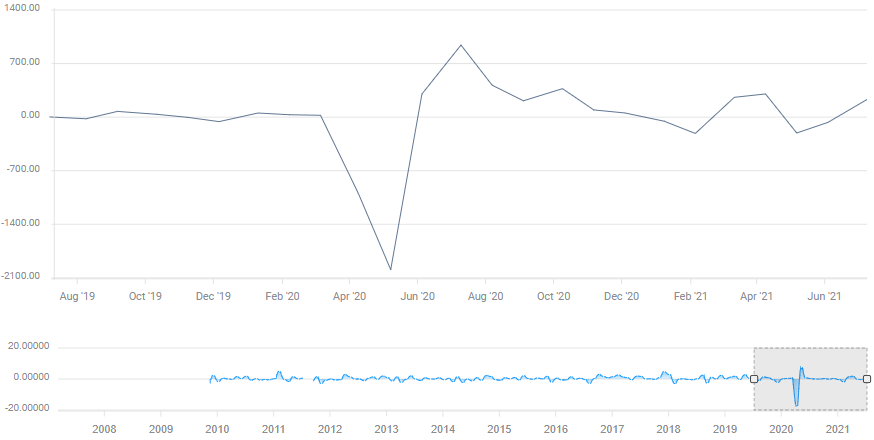
Average Hourly Wages rose 0.9% (Y/Y) in June and the participation rate was 62.5%.Canada’s unemployment rate is projected to drop to 7.4% from 7.8% in June.
Through June, the Canadian economy had rehired 2.648 million, 88.6%, of the 2.989 million workers fired at the outset of the pandemic.
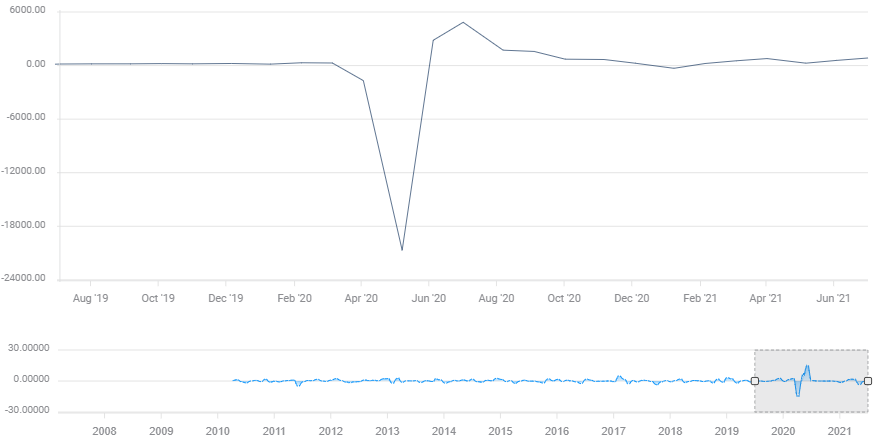
In contrast the US record is far weaker. Through June just 15.06 million workers have been reemployed, 67.3%, of the 22.36 million fired from Nonfarm Payrolls in the first quarter of 2020. The US unemployment rate is considerably lower at 5.9% in June with 5.7% and 800,000 new hires expected in July.
Nonfarm Payrolls
Canadian economy
Canada’s resource based economy has benefited from the strong rebound in commodity prices and crude oil this year, which provides about 11% of GDP.
Employment reflects this strong economic base.
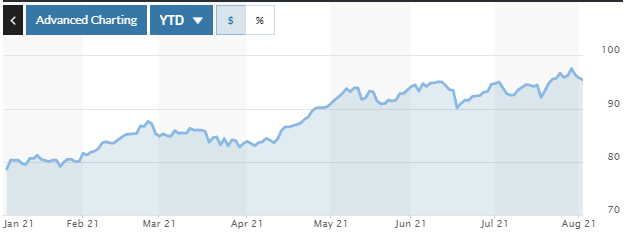
The Bloomberg Commodity Index (BCOM) has gained 22.2% this year and 58.2% from the lockdown low last April.
BCOM
Bloomberg/MarketWatch
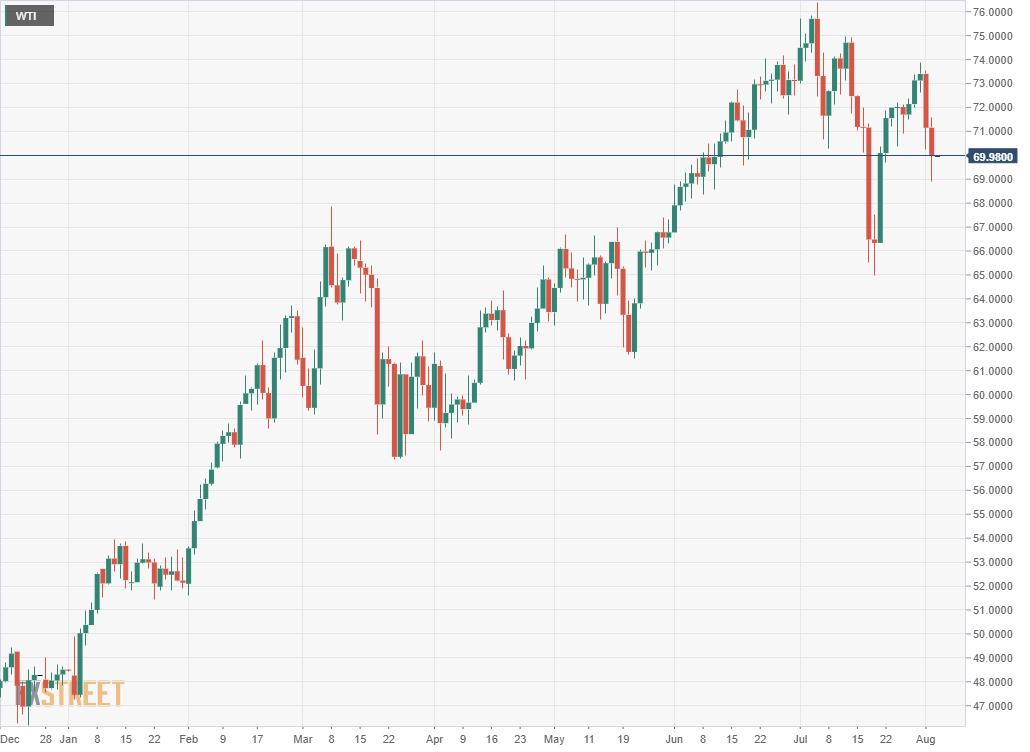
West Texas intermediate (WTI) the North American crude pricing standard is up 47.5% since January 4, and that includes its 4.7% fall on Monday and Tuesday this week.
WTI
Canada has also profited from the strong rebound in US growth. Because of the intricate and multifarious economic ties spanning the border, Canada is in the unusual position of participating directly in US economic expansion and profiting from the largess of Congress and the monetary accommodation of the Federal Reserve. Canada is the source of many of the raw materials for US factories and the manufacturing sector of both countries in effect straddles the border.
The $120 billion a month of Treasury and mortgage-backed securities purchases by the Fed is one reason the Bank of Canada has been able to cut its own bond program in half from C$4 billion to C$2 billion.
USD/CAD and Net Employment Change
The Canadian dollar had maintained a 15-month ascendancy over its US counterpart, from its low in the March and April 2020 Covid panic to its six-year high this June.
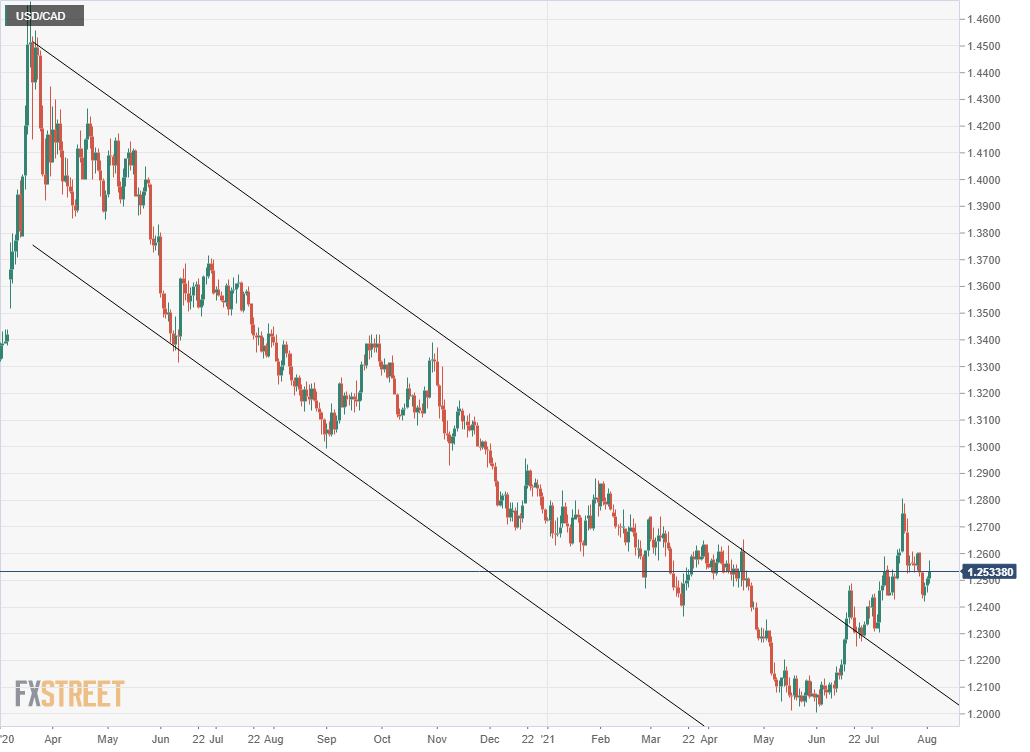
Beginning in last summer's general retreat of the dollar’s pandemic panic-driven supremacy, Canadian strength continued to rise with the steady support provided by the rising prices of the commodity complex.
The level of the USD/CAD has been more closely tied to the fortunes of WTI and to the US Nonfarm Payroll report, than to the monthly reverberations of Statistics Canada’s Net Employment Change data.
The recent reversal of in the pair had much to do with the speculation on a change in Federal Reserve monetary policy abetted an unusually long period without a profit-taking challenge to the prevailing trend.
The dominance of American payrolls over the reaction of the USD/CAD will continue. The USD/CAD should rise or fall depending on the quality of the data from the US labor economy.
Premium
You have reached your limit of 3 free articles for this month.
Start your subscription and get access to all our original articles.
Author
Joseph Trevisani
FXStreet
Joseph Trevisani began his thirty-year career in the financial markets at Credit Suisse in New York and Singapore where he worked for 12 years as an interbank currency trader and trading desk manager.