Aussie Little Changed Following RBA Interest Rates Decision

After rising initially, US stocks declined sharply as traders started to worry about the trade deal between US and China. Over the weekend, reports emerged that a formal trade deal was being finalized. Word to date is that China will get tariff relief while the US will get more purchases from China. China has also pledged to initiate a legislation to prevent forced technology transfers. Investors are worried that Trump could change his mind. Another reason for the sharp decline in stocks was that investors were using an old strategy of buying on the rumors and selling on the news.
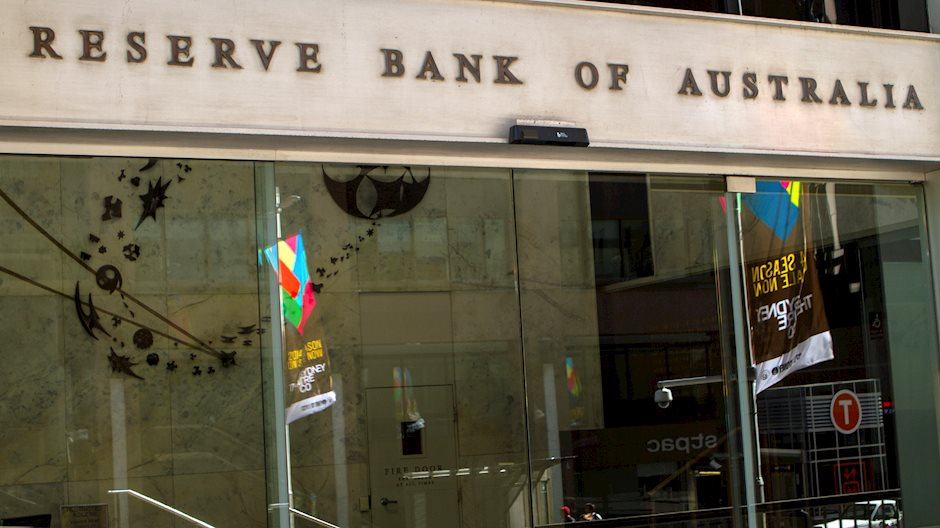
The Australian dollar was relatively unchanged after RBA made its interest rates decision. The bank left interest rates unchanged as widely expected. The bank’s last move was seen in July 2016, when rates were lowered to 1.5%, an historic low. The decision to leave rates unchanged provides support to an economy that is cooling. Just last month, the bank lowered its GDP growth forecast to 2.4%. This is after forecasting that the economy will grow by 3.2% in November last year. Tomorrow, the country will release the final reading of the GDP growth, which is expected to show some weakness. Traders expect the data to show that the economy expanded by 2.5% in the third quarter.
Traders will continue to focus on sterling as the clock ticks on Brexit. The country is expected to leave the European Union on March 29th this year. As a result, data released recently has been weaker than expected. Yesterday, the construction PMI fell to 49.5, which is a sign that activity in the sector is slowing down. Today, the retail sales monitor numbers of -0.1% were better than the expected -0.2%. The retail sector could see some more activity as people buy in preparation for the exit date. Later today, the services PMI numbers will be released. The numbers are expected to show that the PMI slowed to 49.9 from last month’s 50.
EUR/USD
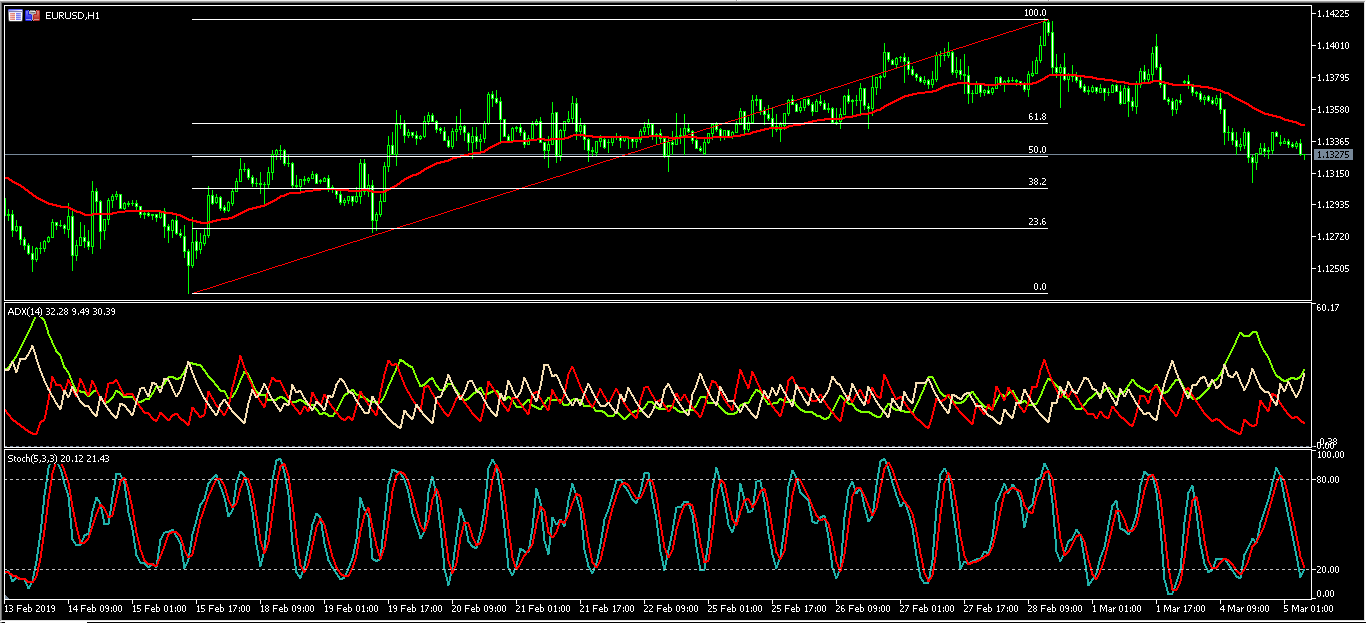
On Friday, the EUR/USD pair started to decline after reaching a high of 1.1418. Yesterday, in the European session, the pair reached the 50% Fibonacci Retracement level of 1.1326. In the overnight session, the pair continued to decline and reached the 38.2% Fibonacci Retracement level of 1.1310. The pair has gone back to the 50% Fibonacci level. On the hourly chart, the Average Directional Index (ADX) has fallen to 32 from yesterday’s high of 47. The price is below the 21-day and 42-day EMAs while the stochastics indicator has declined to the oversold level. The pair will likely continue to decline today.
GBP/USD
Since Friday, the GBP/USD pair has been declining. The pair has declined from the YTD high of 1.3353 and overnight, it reached a low of 1.3150. This price is slightly below the 21-day and 42-day EMAs as shown below. The price is also along the lower band of the Bollinger Bands while the RSI has moved to the oversold level of 30. The Parabolic SAR too indicates that the pair could continue moving lower. If it does, it will likely test the 1.3060 level, which is also the 50% Fibonacci Retracement level.
XAU/USD
Since August last year, the price of gold has moved from a low of $1160 to a high of $1350. Since last week, the XAU/USD pair has lost momentum, with the price declining sharply. The pair has reached a low of 1280. This level is below the 21-day and 42-day EMAs. It is also sharply lower than the 50-day double EMA, while the RSI has moved to the oversold level. The pair will likely drop to the 50% Fibonacci Retracement level of 1260, and then resume the upward trend.
Author
OctaFx Analyst Team
OctaFX
OctaFX is a market-leading forex broker, providing personalised forex brokerage services to customers in over 100 countries worldwide.