August looks calm, but one market factor changes everything

Every year, August is associated with a sense of calm. Traders head off on vacation, trading volumes slow, and financial markets appear to shift into low gear. For many investors, the month feels like a pause, as if market risks themselves were taking a few weeks off.
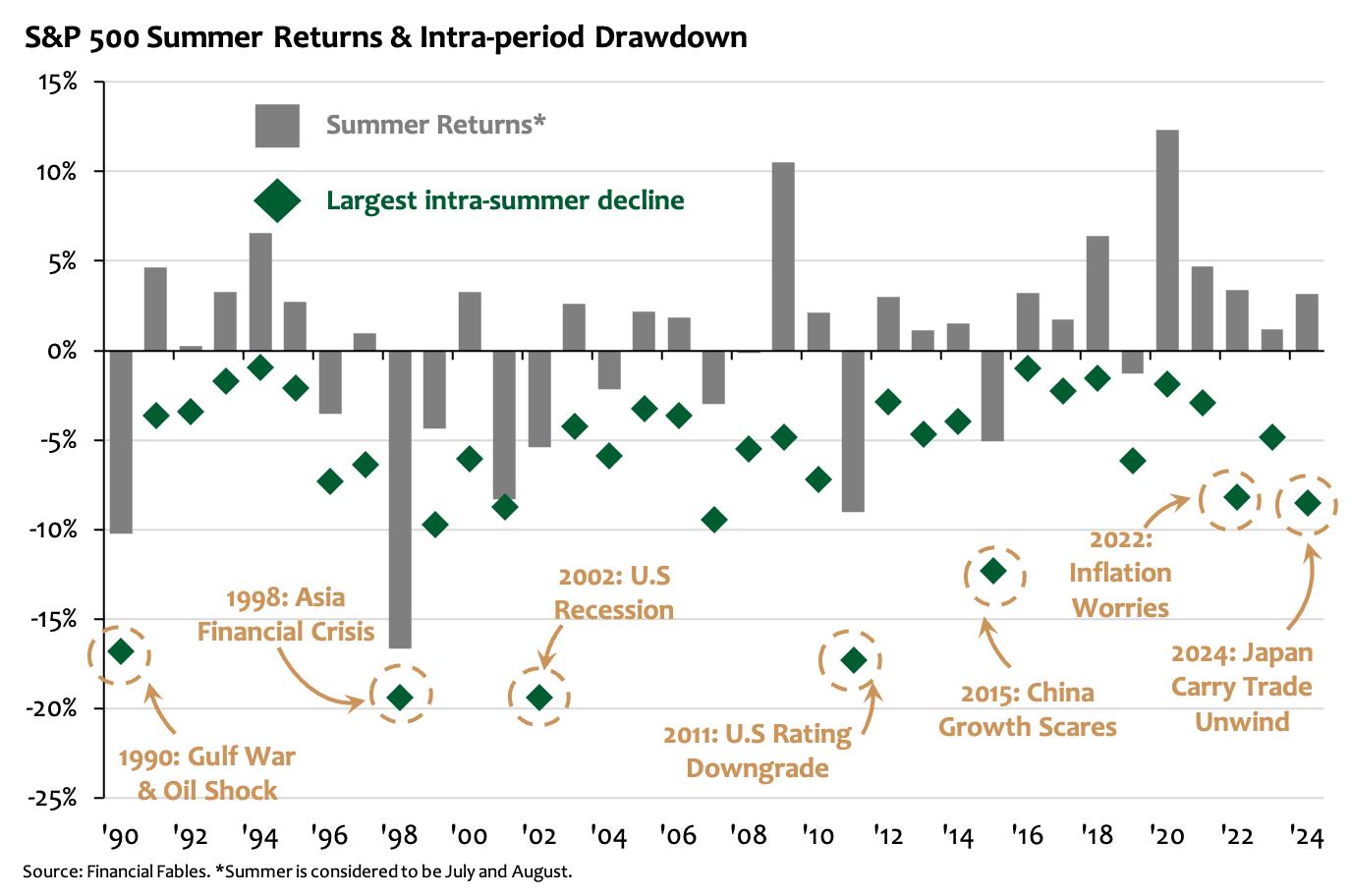
Yet that perception is often an illusion. Several of the biggest market shocks of recent decades have unfolded in the middle of summer. The US sovereign credit rating downgrade, China's surprise Yuan devaluation, and the massive unwinding of the Japanese Yen carry trade all occurred when many investors expected markets to remain quiet. Behind seemingly calm trading screens often lies a much more fragile environment than it appears.
So why can a month known for lighter trading suddenly become a period of sharp market volatility? And why do experienced investors continue to watch August so closely?
Markets go on vacation... until they don't
Summer is often viewed as a quiet period for financial markets. The corporate earnings season comes to an end, central banks take a temporary pause before the busy autumn schedule, and many institutional investors spend less time at their desks. As a result, trading activity generally declines across equities, currencies, commodities, and fixed-income markets.
This naturally leads to a common assumption: Less trading activity must mean less risk.
However, market professionals know better than to trust that perception. In financial markets, calm conditions can disappear in an instant. When unexpected news breaks in an environment where fewer participants are available to absorb orders, price movements can become far more pronounced than they would at other times of the year.
This is the paradox of summer trading. Markets are not necessarily more volatile on a day-to-day basis, but they often become much more vulnerable to unexpected shocks.
Liquidity: The overlooked variable
To understand why August can become a challenging month, it is essential to understand one of the most important concepts in financial markets: Liquidity.
Liquidity refers to a market's ability to absorb buy and sell orders without triggering significant price swings. When many investors are active and order books are deep, even large transactions can be executed without disrupting prices.
During the summer, that depth naturally declines. Many asset managers, institutional traders, dealing desks, and market makers operate with reduced staffing levels. Trading volumes fall, while bid-ask spreads can gradually widen.
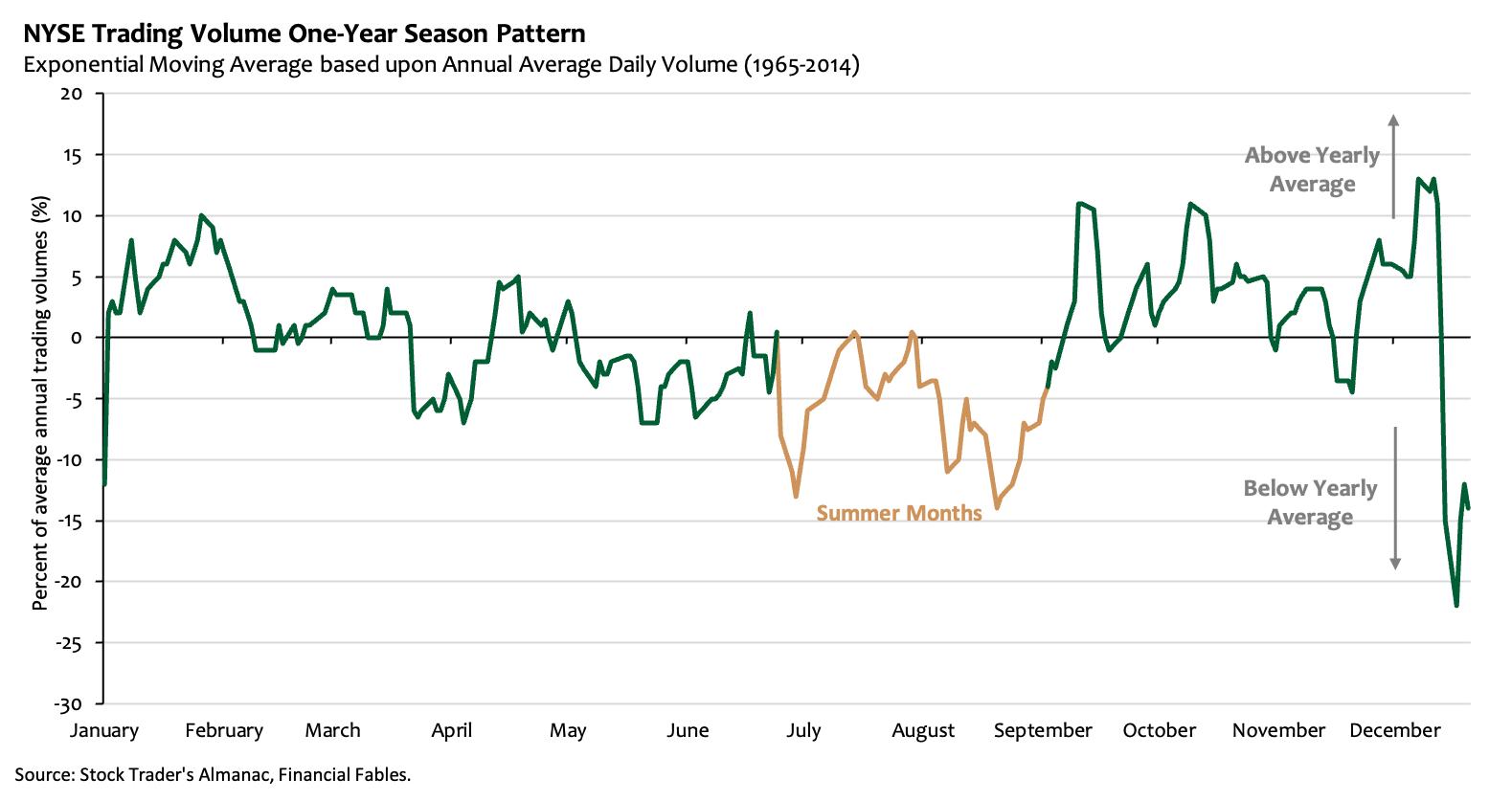
In this environment, a large order or an unexpected announcement can have a much greater impact than it would during the rest of the year. A market that would normally absorb incoming orders with little difficulty can suddenly experience sharp price movements simply because there are fewer participants on the other side of the trade.
That is why experienced investors never mistake lower trading volumes for lower market risk.
Why market moves can become amplified
When an economic release surprises investors, when a central bank changes its tone, or when a geopolitical event unfolds, market participants immediately adjust their positions. If there are fewer buyers or sellers available, prices need to move much further in order for trades to be executed.
Lower liquidity acts as a market amplifier, while the process can quickly become self-reinforcing.
An initial decline may trigger stop-loss orders, accelerating the move. Other investors then decide to reduce their exposure, adding further selling pressure. Within hours, what initially appeared to be a modest price move can evolve into a full-blown volatility event.
This helps explain why some of the most dramatic trading sessions occur during the summer, even when the underlying economic fundamentals have not materially changed.
History shows that the risk is real
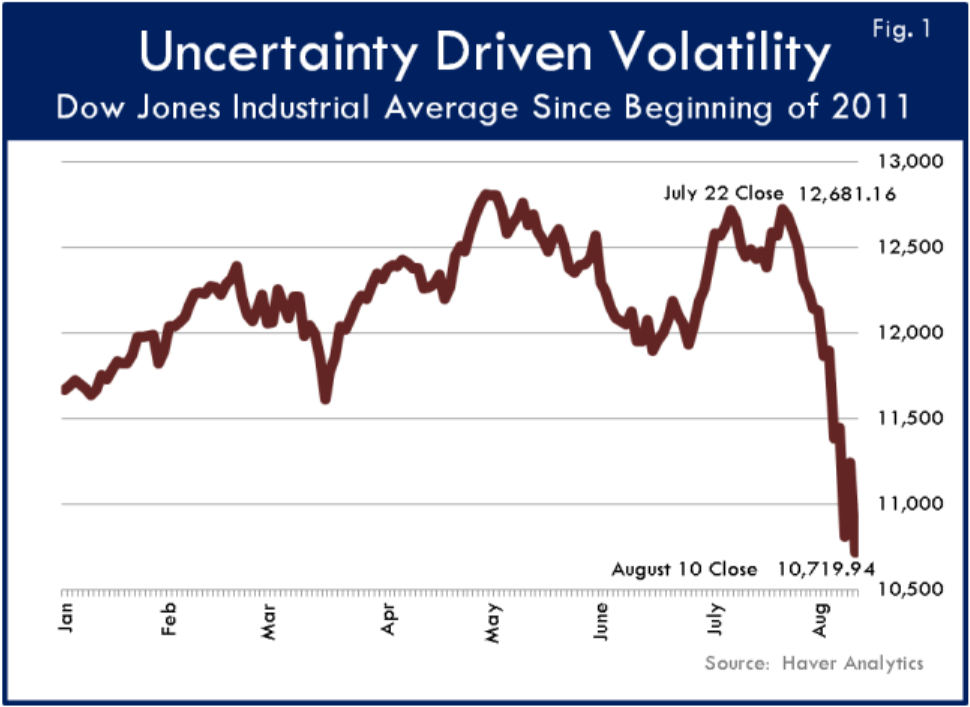
Financial market history provides plenty of examples. On Friday, August 5, 2011, Standard & Poor's stripped the United States (US) of its AAA sovereign credit rating for the first time in history. The historic decision came during the summer period of reduced liquidity. Equity markets sold off sharply when trading resumed on Monday, investors rushed toward safe-haven assets, and volatility surged.
Four years later, another event caught markets by surprise. In August 2015, the People's Bank of China (PBoC) unexpectedly devalued the Chinese Yuan (CNY). The move reignited concerns about the world's second-largest economy and triggered a broad sell-off across global financial markets. On August 24, a trading session that quickly became known as "Black Monday" saw several major equity indices suffer steep losses shortly after the opening bell.
More recently, the summer of 2024 offered another reminder that holidays do not eliminate market risk. After years of ultra-loose monetary policy in Japan, the Bank of Japan's (BoJ) gradual policy shift prompted many investors to unwind Japanese Yen-funded carry trades. The Japanese currency appreciated rapidly, triggering a broad risk reduction across multiple asset classes.
These three episodes had very different causes. One was linked to US sovereign debt, another to China's economy, and the most recent to Japanese monetary policy. Yet they all illustrate the same point: When liquidity is limited, market reactions can become significantly more intense.
Jackson Hole: The event that can change everything
If one event has the potential to wake up financial markets during August, it is the Jackson Hole Economic Symposium. Organized each year by the Federal Reserve (Fed) Bank of Kansas City since 1978, the symposium brings together the world's leading central bankers, economists, policymakers, and academics in Wyoming.
At first glance, it may appear to be little more than an academic conference. In reality, Jackson Hole has become one of the most closely watched events on the global financial calendar. Several landmark monetary policy announcements have either been prepared or signaled there.
In 2010, Ben Bernanke laid the groundwork for the Fed's second round of quantitative easing. In 2022, Jerome Powell delivered a firmly hawkish speech on inflation, reminding investors that restoring price stability would likely require an extended period of restrictive monetary policy. Equity markets reacted with a sharp sell-off.
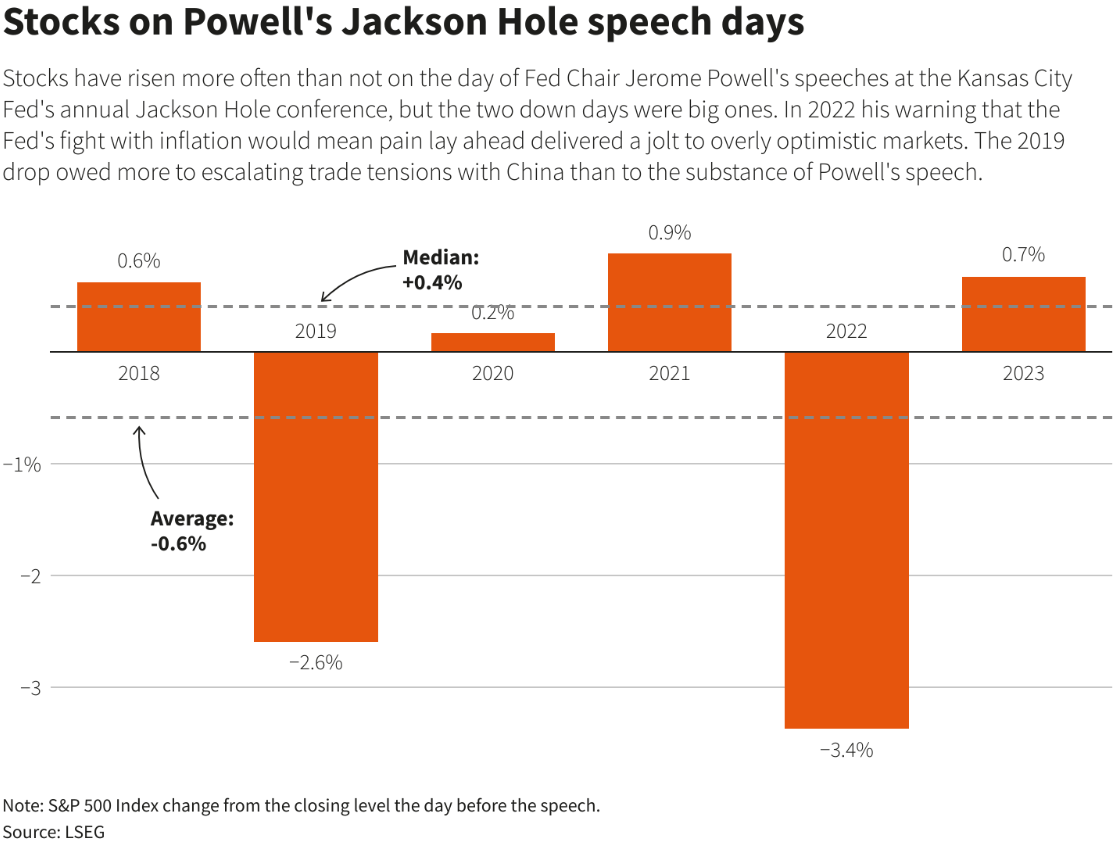
The timing of the symposium further increases its significance. Jackson Hole typically takes place during the second half of August, precisely when market liquidity remains below normal. Even a subtle change in tone from a central banker can therefore trigger significant moves across currencies, bonds, equities, and commodities.
For many market participants, the symposium effectively marks the beginning of the new financial season.
How professional investors approach August
Professional investors do not necessarily abandon financial markets during the summer. Instead, they adapt their risk management. Active traders often reduce their position sizes to limit their exposure to unexpected market moves. Others tighten risk controls or avoid carrying large positions ahead of major economic releases or central bank speeches.
Long-term investors typically take a different approach. Rather than trying to anticipate every short-term fluctuation, they remain focused on their long-term objectives and view summer volatility as a normal part of investing.
Regardless of the strategy, one principle remains constant: Lower trading volumes should never be interpreted as lower market risk.
The greatest risk may be a false sense of security
August does not trigger a financial crisis every year. Most summer trading sessions unfold in relatively calm conditions. The real danger lies elsewhere.
When markets appear quiet, investors may become less vigilant. Yet history repeatedly shows that some of the biggest market disruptions occur precisely when participants expect nothing unusual to happen.
An unexpected shift in the tone of any central bank, a disappointing economic release, a geopolitical crisis, or simply a shift in market expectations can be enough to trigger price swings far larger than those typically seen during the rest of the year.
Ultimately, August is neither the riskiest month nor the calmest month for financial markets. It is perhaps the month during which the gap between perception and reality is at its widest.
Summer holidays may slow trading activity, but they never eliminate market risk. On the contrary, lower liquidity can turn what would normally be a modest market move into a significant financial event. That illusion of calm is precisely what makes August one of the most fascinating, and sometimes one of the most challenging, months on the financial calendar.
Author

Ghiles Guezout
FXStreet
Ghiles Guezout is a Market Analyst with a strong background in stock market investments, trading, and cryptocurrencies. He combines fundamental and technical analysis skills to identify market opportunities.