Amid election day tremors rocking treasuries, investors finally caught a break

U.S. job openings—a key data point in the Fed’s rate outlook—took a marked dip in September, dropping to 7.443 million, over 400,000 fewer than August’s revised 7.861 million. While no one wants a cliff-drop in job openings, gradual declines still feed the “soft landing” narrative that investors and the Fed are both hungry for.
Adding to the buoyancy, tech stocks surged, with Alphabet leading the charge post-earnings. This pushes the Nasdaq to fresh record highs and lifts the S&P 500 as Big Tech earnings hit center stage. With heavyweights like Apple, Microsoft, and Meta set to report this week, representing a cool $12 trillion in market cap, it’s game on for stocks.
Treasuries held steady, barely flinching, with 10 year yields only 4 basis points off their highs. Meanwhile, the Conference Board’s read on consumer confidence delivered a reel of relative optimism, a reminder that consumer sentiment hasn’t entirely cooled.
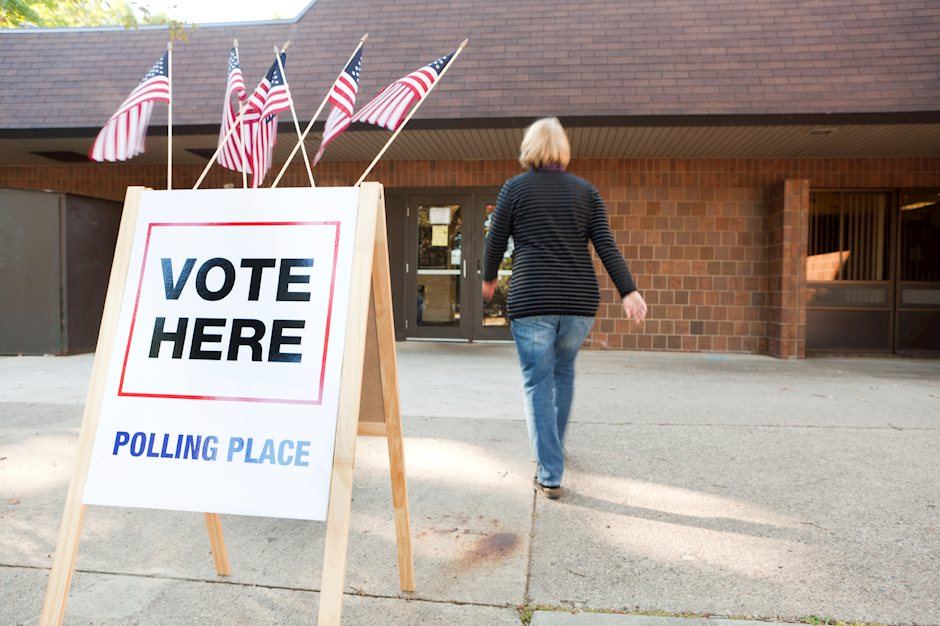
Treasury yields still carry the weight of election jitters, particularly as some models now tilt toward a potential Trump and Republican sweep on November 5. The prospect of a GOP clean sweep has bond markets on edge, adding extra fuel to the yield fire as traders brace for the possible policy shifts that could follow.
That reality would mean Trump’s hallmark tariffs could make a comeback, a fact that has China’s yuan slipping to a two-month low, although it clawed back ground with rising odds for a U.S. rate cut in December. And China’s policymakers? They’re in overdrive ahead of a key leadership summit from November 4-8, potentially greenlighting over 10 trillion yuan ($1.4 trillion) in debt issuance. And if Trump’s “Tariff Man” persona re-emerges, that number could rise even higher to counteract the fallout, fueling Asia’s central banks’ hopes for some regional currency relief.
Indeed, a move like that would be music to Asia’s central banks, providing much-needed relief from the currency stress that would undoubtedly spike if “Tariff Man” Trump comes back swinging his tariff stick.
Look back to the 2016 “Trump trade” playbook: Trump’s first win sent U.S. yields soaring before they found a plateau. Fast forward to 2024, and we’re front-running a possible Election Day surge—but this time, from much higher starting points, as term premium demands crank up. And while stocks rallied hard post-election last time, it’s a different world now: sky-high valuations, with the S&P trading above three times sales compared to 1.8 back then, create a lower ceiling. Mind you, there is a bit of an offset as AI hyperscalers are buffered with term financing,
Small caps are showing a similar vibe. 2016, they had a big post-election run; now, they’re trailing behind with a fizzled summer rally. Even with Trump’s odds rising, the usual “Trump trade” enthusiasm just isn’t there—higher rates, fatter term premiums, and tighter risk tolerance mean this ride has far less wiggle room.
If betting markets have it right and Trump pulls off a win, the dollar’s likely to keep climbing along with Treasury yields. But let’s not forget Friday’s payrolls report—the final wildcard before the ballots. With hurricane and strike disruptions, estimates are down to 110k, and a weak or even negative print could shake up bond momentum, giving everyone a smoother entry into Election Day.
Bitcoin’s keeping the “Trump trade” flame alive, closing in on a record high near $74,000. And oil? It’s still sliding after Monday’s two-year record drop, with de-escalation signs in Israel-Lebanon cooling the geopolitical risk premium. Traders are flipping the page from Gaza to OPEC+. The question now is: Will OPEC hike supply in December?
Author
Stephen Innes
SPI Asset Management
With more than 25 years of experience, Stephen has a deep-seated knowledge of G10 and Asian currency markets as well as precious metal and oil markets.