A very dovish 25bp rate cut by the Swiss National Bank
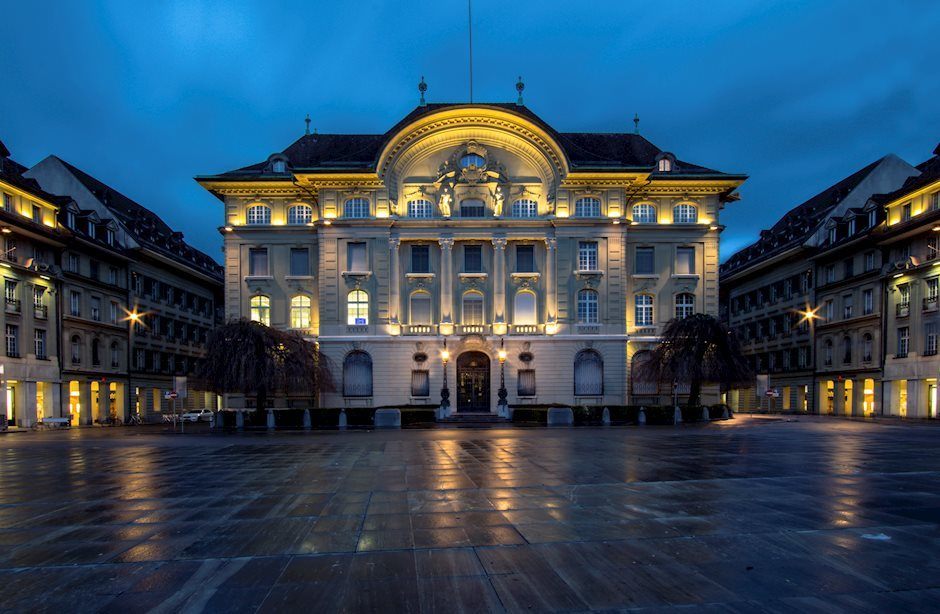

The Swiss National Bank (SNB) has cut its key rate by 25bp to 1% and hinted at further rate cuts to come.
Inflation forecasts still lower
The Swiss National Bank has cut its key rate by 25bp to 1% as expected, given the sharp fall in inflationary pressures. Inflation in Switzerland came in at 1.1% in August, from 1.3% in July, which is within the SNB's target range of 0-2%, but much lower than the SNB had expected. This is due to the fact that the rise in the price of imported goods and services was much weaker than expected following the appreciation of the Swiss franc.
The SNB has revised its conditional inflation forecasts downwards considerably. It now expects average inflation to be 1.3% in 2024, 0.6% in 2025 and 0.7% in 2026, which is much lower than the June forecasts of 1.3%, 1.1% and 1%, respectively. For the first half of 2027, inflation is expected to be at 0.6%.
The SNB put the revision of its forecasts down to the appreciation of the Swiss franc, the fall in oil prices and the decline in electricity prices, but also from lower second-round effects. In addition, the SNB stated that the "downside risks to inflation are currently higher than the upside risks".
This very low inflation forecast for 2025, 2026 and 2027 and the characterisation of risks as being on the downside are a strong signal that the SNB is prepared to cut rates further in the coming months. For the first time since the start of the rate-cutting cycle, it also states verbatim that "further rate cuts may be necessary in the coming quarters to ensure price stability in the medium term".
Weakening the Swiss franc is SNB's goal
The SNB's communication is clearly trying to weigh on the Swiss franc by suggesting to the markets that further rate cuts are on the way. It did not describe the valuation of the Swiss franc as it typically did before the pandemic. However, it reiterated that it "remains prepared to be active on the foreign exchange market if necessary,” and repeatedly highlighted the strong Swiss franc as a problem. The central bank said that "over the next few quarters, growth in Switzerland is likely to be rather moderate, given the recent appreciation of the franc and the mixed trend in the global economy". This message echoes the difficulties faced by Swiss exporting companies, which have recently become much more vocal about the negative impact of the expensive Swiss franc on them.
Ultimately, it seems that this 25bp rate cut is the most dovish possible by the SNB. It did not want to make a jumbo 50bp cut but is clearly trying to ease pressure on the Swiss franc with forward guidance. However, it is not certain that this will be enough given the global geopolitical uncertainties that tend to push up the Swiss franc, and it seems likely that the SNB will significantly increase its interventions on the foreign exchange markets in the coming months to weaken the Swiss franc directly.
Given the inflation forecasts, we expect a further 25bp rate cut in December. A final cut could then take place in 2025, but it seems unlikely that the SNB will decide to cut its rate much lower than the 0.5% level as long as inflation remains in the 0-2% range. In our view, inflation would have to be at risk of returning to negative territory for the SNB to decide to go lower.
Read the original analysis: A very dovish 25bp rate cut by the Swiss National Bank
Author
ING Global Economics Team
ING Economic and Financial Analysis
From Trump to trade, FX to Brexit, ING’s global economists have it covered. Go to ING.com/THINK to stay a step ahead.