USD/JPY trades with mild losses near 144.50 ahead of US Q2 GDP data
- USD/JPY weakens near 144.50 in Thursday’s early Asian session.
- BoJ’s Himino said central bank would continue to raise interest rates if inflation stayed on course.
- The Fed's dovish stance undermines the US dollar against the JPY.
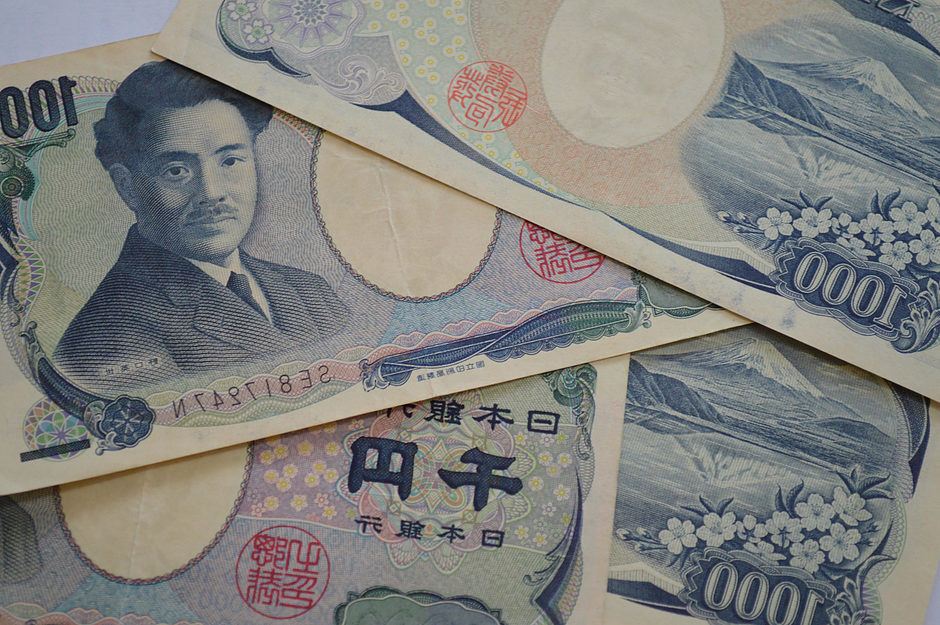

The USD/JPY pair remains on the defensive around 144.50 during the Asian trading hours on Thursday. The dovish remarks from the Federal Reserve (Fed) officials continue to undermine the US Dollar (USD) in the near term. Investors await the second estimate of US Gross Domestic Product (GDP) growth number for Q2, which is expected to grow 2.8%.
The Bank of Japan (BoJ) Deputy Governor Ryozo Himino stated on Wednesday that the Japanese central bank would continue to raise interest rates if inflation stayed on course, while also closely monitoring financial market conditions.
His comments echo those from BoJ Governor Kazuo Ueda last week, who said that recent market volatility would not derail its long-term rate hike plans. a majority of economists expect the BOJ to hike rates again this year, starting in December rather than October, according to a Reuters poll.
On the other hand, the dovish comments from the US central bank have weighed on the Greenback against the JPY. Fed Chair Jerome Powell said that “the time has come for policy to adjust.” The markets have fully priced in a 25 basis points (bps) rate cut in September, while the possibility of a deeper rate cut stands at 36.5%, according to the CME FedWatch Tool.
Japanese Yen FAQs
The Japanese Yen (JPY) is one of the world’s most traded currencies. Its value is broadly determined by the performance of the Japanese economy, but more specifically by the Bank of Japan’s policy, the differential between Japanese and US bond yields, or risk sentiment among traders, among other factors.
One of the Bank of Japan’s mandates is currency control, so its moves are key for the Yen. The BoJ has directly intervened in currency markets sometimes, generally to lower the value of the Yen, although it refrains from doing it often due to political concerns of its main trading partners. The current BoJ ultra-loose monetary policy, based on massive stimulus to the economy, has caused the Yen to depreciate against its main currency peers. This process has exacerbated more recently due to an increasing policy divergence between the Bank of Japan and other main central banks, which have opted to increase interest rates sharply to fight decades-high levels of inflation.
The BoJ’s stance of sticking to ultra-loose monetary policy has led to a widening policy divergence with other central banks, particularly with the US Federal Reserve. This supports a widening of the differential between the 10-year US and Japanese bonds, which favors the US Dollar against the Japanese Yen.
The Japanese Yen is often seen as a safe-haven investment. This means that in times of market stress, investors are more likely to put their money in the Japanese currency due to its supposed reliability and stability. Turbulent times are likely to strengthen the Yen’s value against other currencies seen as more risky to invest in.
Author
Lallalit Srijandorn
FXStreet
Lallalit Srijandorn is a Parisian at heart. She has lived in France since 2019 and now becomes a digital entrepreneur based in Paris and Bangkok.