USD/CHF trades below 0.9200, retreats from a six-month high
- USD/CHF moves below 0.9200 ahead of the macros from both countries.
- ANZ Bank analysis showed that CHF has become the top-performing currency among the G10 currencies.
- US Dollar strengthens due to market caution on the Fed’s interest rate trajectory, coupled with elevated US Treasury yields.
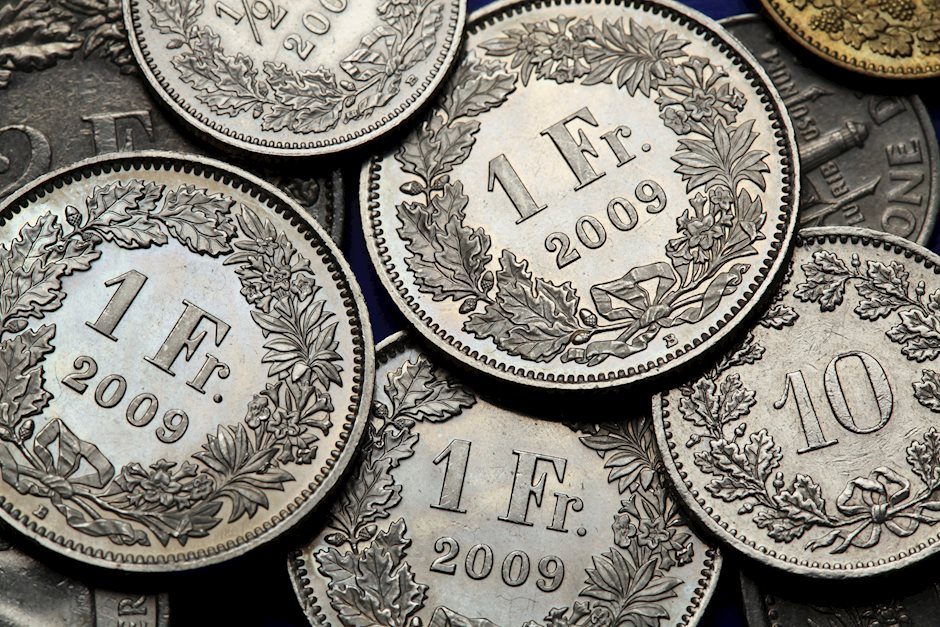

USD/CHF pulls back from the six-month high marked on Wednesday, trading around 0.9190 during the European session on Thursday. The Swiss Franc (CHF) is receiving upward support, and this may be attributed to a recent analysis by economists at ANZ Bank. Their analysis has highlighted that the CHF has become the top-performing currency among the G10 currencies in relation to the US Dollar (USD).
However, the Swiss National Bank (SNB) is expected to maintain a hawkish stance in its monetary policy. The central bank is likely to continue this approach as a means of guarding against a potential increase in imported inflation, even though it paused its rate-hiking cycle at the September meeting.
The persistent concerns about China's troubled property sector and worries about the economic challenges arising from rapidly rising borrowing costs. These concerns have led to a risk-off sentiment among investors, which has benefited the CHF due to its reputation as a safe-haven currency. As a result, the USD/CHF pair could face limitations on further gains.
The US Dollar Index (DXY) retreats from its highest levels since December, trading lower around 106.50 by the press time. However, the US Dollar (USD) strengthened due to risk aversion, higher US Treasury yields over an impending US government shutdown, and hot US economic data.
The positive performance of US Treasury yields is bolstering the Greenback's position. The yield on the 10-year US Treasury note has reached record highs, standing at 4.62%.
Additionally, Solid economic data from the United States is supporting the strength of the buck. In August, US Durable Goods Orders rebounded with a 0.2% increase, a notable turnaround from the previous month's 5.6% decline. This performance exceeded market expectations, which had anticipated a 0.5% decline.
Moreover, EIA Crude Oil Stocks Change data on the week ending September 22 showed that stocks decreased by 2.170 million barrels compared with the 2.135 million drawdowns seen a week earlier. Markets expected Oil stockpiles to decline by a much lesser 0.32 million barrels.
Federal Reserve (Fed) board members. Neel Kashkari, President of the Minneapolis Federal Reserve, recently indicated the potential for further interest rate hikes in the future. The hawkish tone from a Fed member might have supported the bullish momentum of the USD.
Additionally, Kashkari suggested that the option of keeping interest rates unchanged at their current levels remains open, especially if any potential rate cuts are postponed even further. These remarks from Fed officials are contributing to the upward trajectory of the Greenback.
Market participants will likely watch Switzerland’s Real Retail Sales on Friday. Along with, the US Core Personal Consumption Expenditure (PCE) Price Index, the Fed's preferred measure of consumer inflation will be eyed., which is expected to reduce from 4.2% to 3.9%.
Author
Akhtar Faruqui
FXStreet
Akhtar Faruqui is a Forex Analyst based in New Delhi, India. With a keen eye for market trends and a passion for dissecting complex financial dynamics, he is dedicated to delivering accurate and insightful Forex news and analysis.