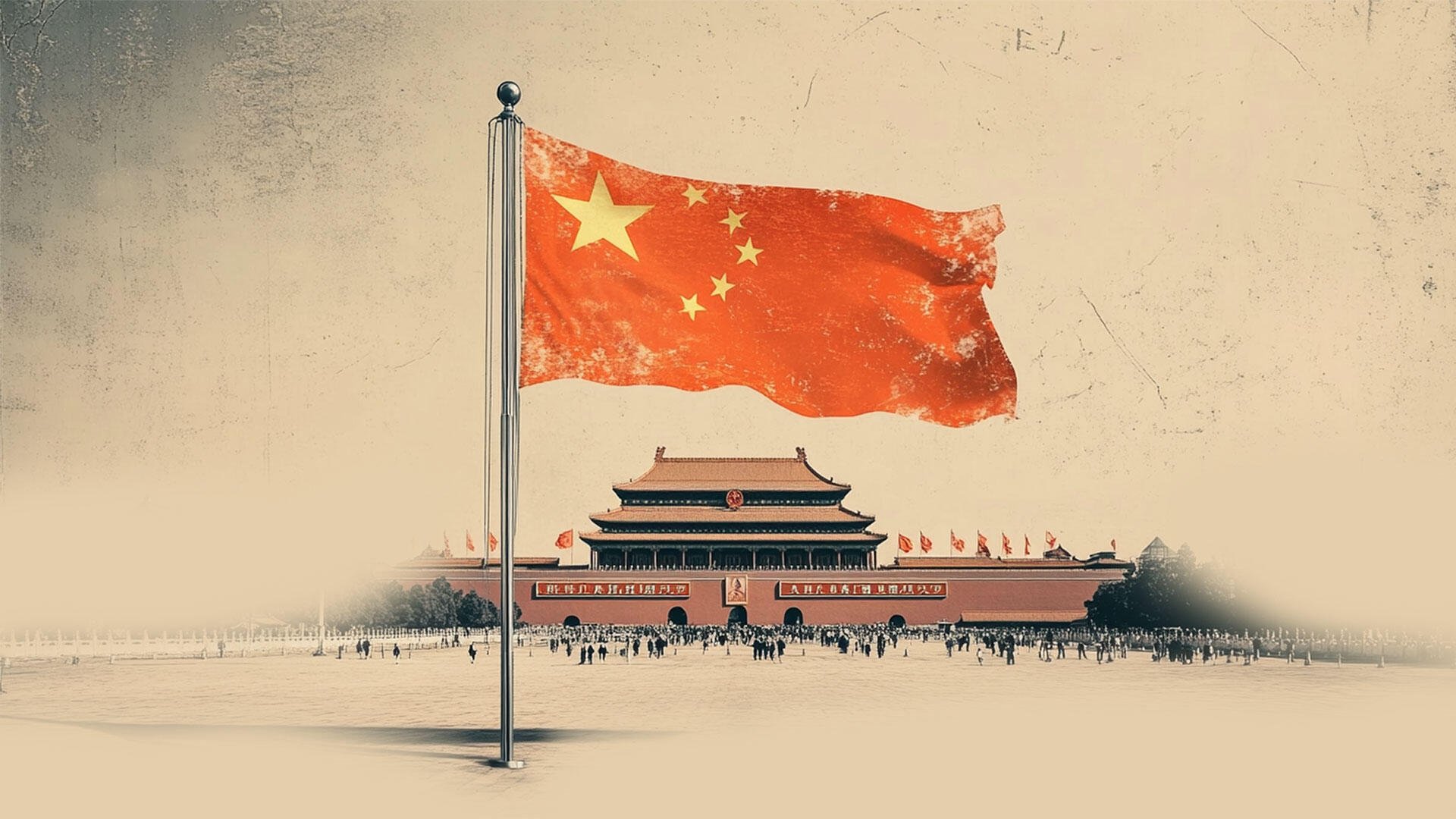
US stock futures rise as Trump 2.0-era tariffs appear more calibrated than first feared
U.S. equity futures caught a bid in early Asia trading as markets latched onto signs that the next round of Trump-era tariffs may be more calibrated than initially feared. While the White House is still moving ahead with its April 2 “Liberation Day” deadline, the tone appears to be shifting—from a broad-based barrage to a more targeted, reciprocal framework.
According to sources close to the matter, the administration now plans to narrow its focus. It will apply tariffs to a group of nations dubbed the “dirty 15”—countries with persistent trade imbalances that collectively represent the lion’s share of U.S. imports. These nations will bear the brunt of the tariff hikes, while others could be hit with more modest levies.
The White House is reportedly easing back on industry-specific tariffs, such as those on autos, semiconductors, and pharmaceuticals. These tariffs had been expected to drop alongside the reciprocal action. For now, those sectoral tariffs may be shelved, although insiders note that planning remains fluid and subject to change.
Nonetheless, the administration’s April 2 tariff salvo could lift duties on the U.S.’s largest trading partners to levels not seen in decades. According to sources familiar with the planning, countries landing on the “dirty 15” list should brace for sharply higher, potentially punitive tariff rates, marking a dramatic escalation in the push for trade “reciprocity.” The message from Washington is clear: imbalanced trade comes with a price tag—and it's about to go up.
That said, Asian stock futures are pointing to a weak open. Several countries in the region are expected to land on the “dirty 15” list, which would put them directly in the firing line. The fate of tariffs targeting Canada and Mexico, initially justified by fentanyl trafficking concerns, also remains uncertain, as the White House declined to comment on their status.
President Trump’s declaration of April 2 as “Liberation Day” underscores his administration’s commitment to rebalancing trade relationships—but also injects fresh policy risk into already jittery markets. While the optics of a more measured rollout may calm nerves on Wall Street for now, the road ahead looks anything but smooth for U.S. trading partners—especially in Asia and Europe.
Unlike trade spats of the past, this escalating trade war—now laced with bad blood between Brussels and Washington—is taking markets deep into uncharted waters, serving up a volatile cocktail of economic conditions with no historical precedent. Analysts, investors, and executives typically turn to the past for guidance, but this time around, the old playbooks are obsolete. With tariffs flying, supply chains realigning, geopolitical tensions simmering, and policy divergence widening, we’re not just flipping through well-worn chapters—we’re watching a brand-new economic script being written in real-time.
And in this kind of challenging, unpredictable environment, Rule #1 should be carved in stone: Preservation of Capital. When the macro fog rolls in and the usual roadmaps fail, staying liquid, staying nimble, and protecting downside risk isn’t just brilliant—it’s survival.
The real question is whether Donald Trump has the political fortitude to stomach a bear market. Is he willing to risk clipping the wings of the U.S. exceptionalism golden goose—the narrative that underpins America’s market outperformance and economic swagger?
Only time will tell. However, history suggests he doesn’t, yet he isn’t flinching easily this time. Whether that resolve holds if equity markets roll over… well, that’s the trillion-dollar question.
Author

Stephen Innes
SPI Asset Management
With more than 25 years of experience, Stephen has a deep-seated knowledge of G10 and Asian currency markets as well as precious metal and oil markets.