|

US President Biden signs order to ban certain tech investments in China – Reuters
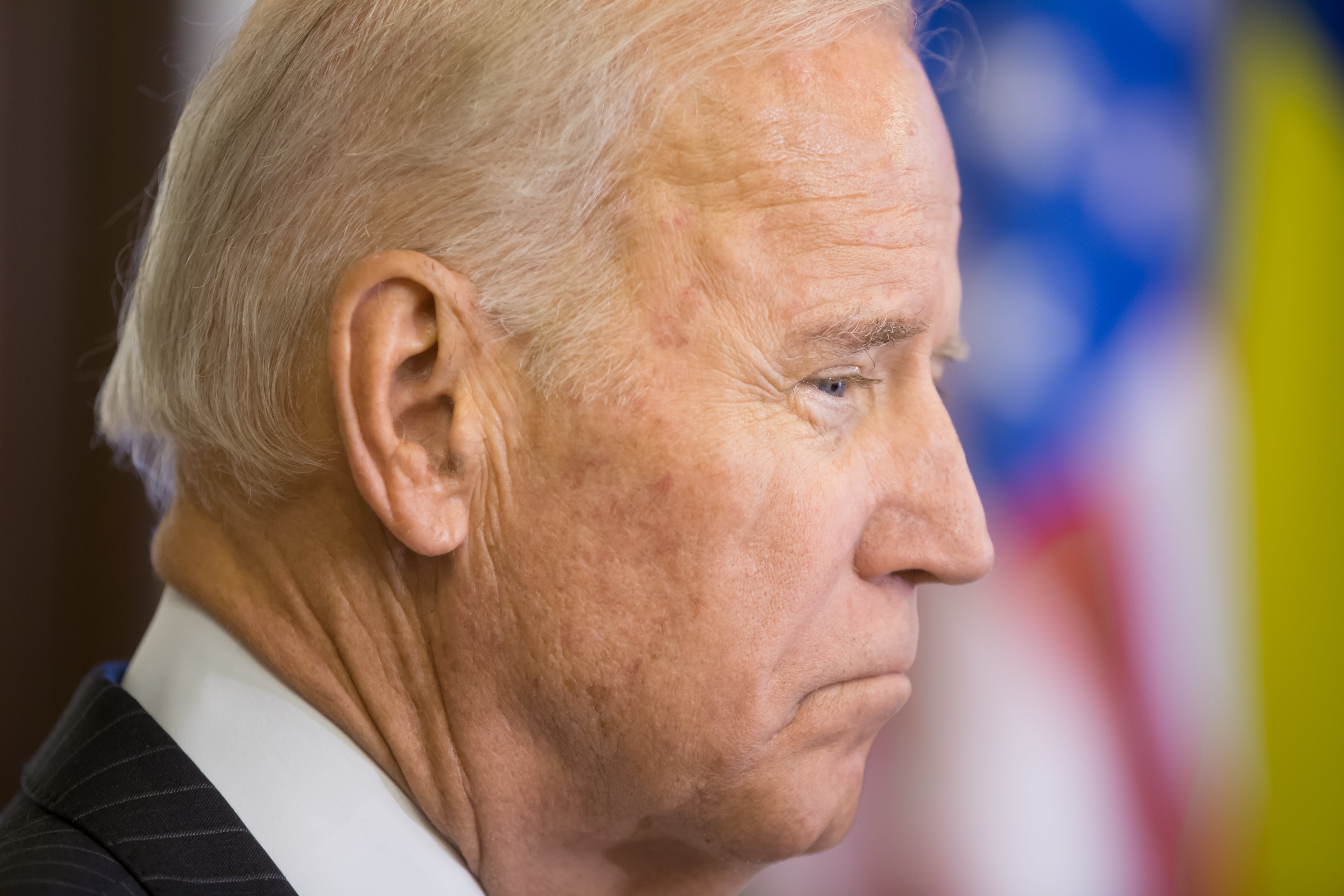
Late Wednesday, US President Joe Biden signed the much-awaited bill that allows the US Treasury Department to prohibit or restrict certain US investments in Chinese entities, per Reuters.

The three key technology sectors mentioned in the executive order are semiconductors and microelectronics, quantum information technologies, and certain Artificial Intelligence (AI) systems.

The news also cites US President Biden as declaring a national emergency to deal with countries like China "in sensitive technologies and products critical to the military, intelligence, surveillance, or cyber-enabled capabilities."

It’s worth noting that the bill was edited to soften the restrictions for China technology companies on a revenue generation basis. Bloomberg previously came out with the news suggesting the hardships for only those Chinese companies that get more than 50% of revenue from the sectors including quantum computing and artificial intelligence (AI) to be included in the list.

Market reaction

Trading sentiment remains mostly unchanged on the news as most market players were aware of the outcome. Also restricting the reaction to the news could be the trader’s wait for the US inflation data.

Also read: AUD/USD stays depressed below 0.6550 ahead of Australia/US inflation clues

Author

Anil Panchal

Anil Panchal

FXStreet

Anil Panchal has nearly 15 years of experience in tracking financial markets. With a keen interest in macroeconomics, Anil aptly tracks global news/updates and stays well-informed about the global financial moves and their implications.


More from Anil Panchal
Share:

Editor's Picks

AUD/USD meets support near 0.7000

AUD/USD fades Monday’s optimism and trades with decent losses in the low 0.7000s ahead of the opening bell in Asia. Indeed, spot fails to capitalise on the offered stance of the Greenback and the relatively easing tensions in the Middle East on Tuesday. In the meantime, the AUD is expected to follow the release of housing data in Oz and Chinese inflation figures, all due on Wednesday.

Japanese Yen steadies near recent lows as ceasefire, Japan intervention threats offset

USD/JPY trades around 160.15 on Tuesday, remaining close to its highest level since April 30 despite a broadly neutral intraday performance. The pair retains an underlying bullish bias, supported by expectations that US monetary policy will remain restrictive, although upside potential is being capped by the risk of intervention from Japanese authorities.

Gold dives to fresh two-month lows, aims to challenge $4,000

The selling pressure now gathers extra pace and sends Gold to new three-month lows near $4,230 per troy punce on Tuesday. That said, the yellow metal resumes its decline on the back of a recovery attempt in the US Dollar and the likelihood of a tighter-for-longer Fed this year.

Zcash Price Forecast: ZEC extends gains, targets $500 as retail demand and momentum strengthen
Zcash (ZEC) gains momentum and trades near $470 at the time of writing on Tuesday, shrugging off a broader risk-off mood primarily driven by geopolitical tensions in the Middle East and macroeconomic uncertainty. Retail activity remains relatively elevated, as reflected in the derivatives market.
Hotter US inflation numbers could further bolster Fed hike bets

Middle East tensions keep inflation risks elevated. Fed hike fully priced in by year end amid strong NFP report. US CPI data on Wednesday (12:30 GMT) to enter the spotlight. Further acceleration in inflation could drive the Dollar higher.

The US economy defies the rules: 100 days into the Oil shock and the recession signal is still missing

More than three months after the start of the Iran war and the resulting disruption to global energy markets, the US economy continues to display remarkable resilience. The conflict has triggered a sharp rise in Oil prices, reignited inflationary pressures and fueled widespread concerns about a potential economic slowdown.














