|

The major indices have a huge down day to finish – What's next for Nasdaq?

Recap 8/22 - The S&P opened with a 33 handle gap down and then trended steadily another 65 handles lower into a 3:45 PM low of the day. From that low, the S&P bounced 8 handles into the close.
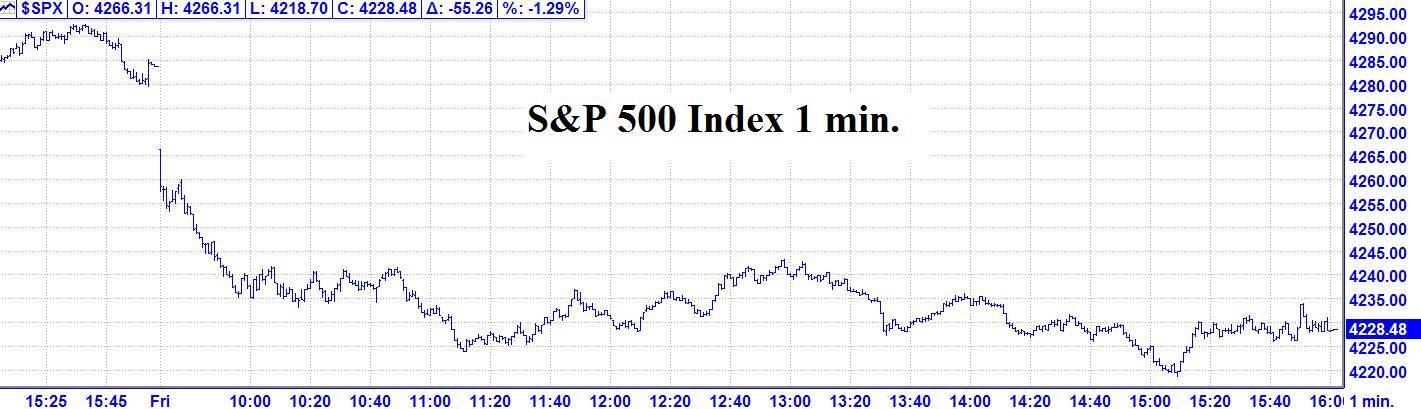
Chart

8/22 – The major indices had a huge down day to finish with the following closes: DJIA - 643.13; S&P 500 - 90.14;  and the Nasdaq Comp. – 323.64.              

Looking Ahead –  We have been in a relatively quiet period.  The next major change in trend window is 8/23 PM – 8/23 AC. We are always looking for market extremes. The ideals scenario is if the S&P were to continue lower into Tuesday afternoon. Please see details below.

The Now Index is in the NEUTRAL ZONE.   

Coming events  

(Stocks potentially respond to all events).

3. A. 8/23 PM – Saturn Parallel Latitude Neptune.  Major change in trend Coffee, Copper, COMMODITY INDEX, OIL.

    B. 8/23 PM – Jupiter 120 US North Node.  Major change in trend US Stocks, T-Bonds, US Dollar. 

    C. 8/23 AC – Mercury Aphelion.  Major change in trend Corn, Gold, Oats, OJ, Soybeans, Wheat.                  

    D. 8/23 AC – Uranus in Taurus turns Retrograde.  Major change in trend Cattle, Copper, Cotton.

Stock market key dates

Market math

8/23 = 17,424 (132^2) days > 12/09/1974 major low.

8/28 = 8,192 music days > 3/24/2000 major high.

Fibonacci –  8/22.

Astro – 8/24, 8/26 AC.

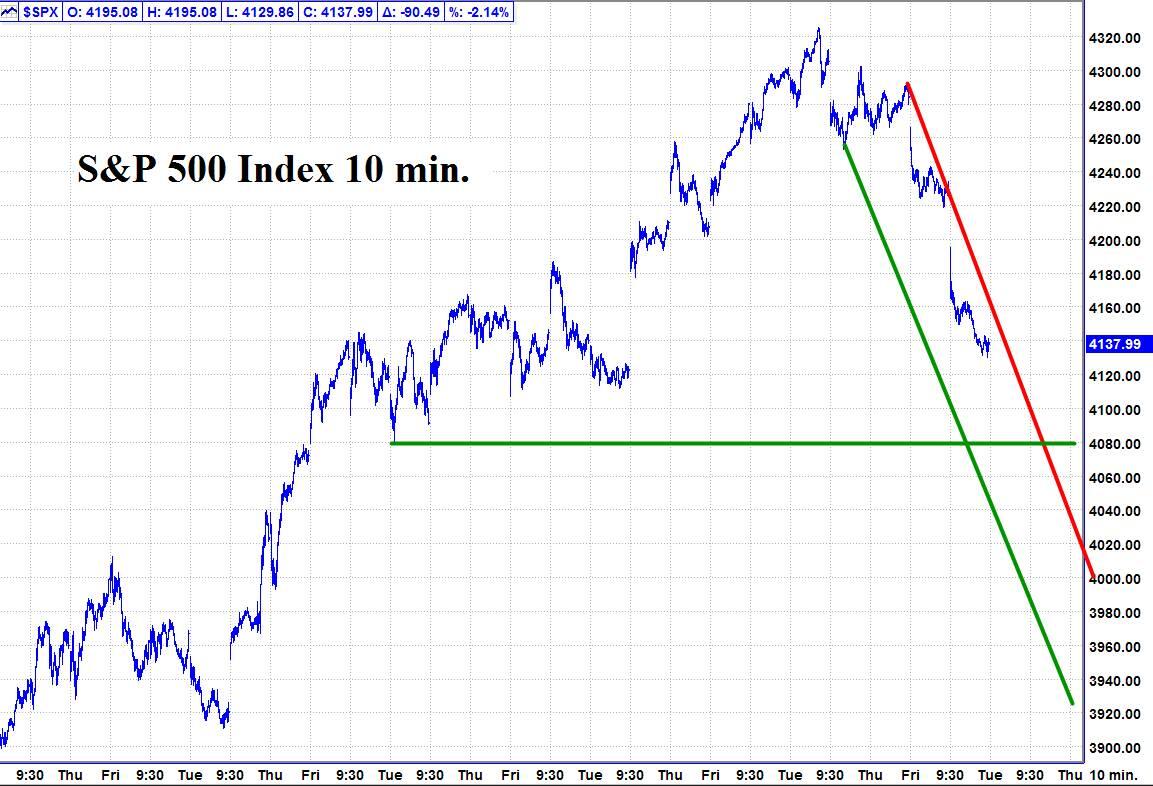
Please see below the S&P 500  10 minute chart.    

Support  - 4080  Resistance –  4160.
Chart

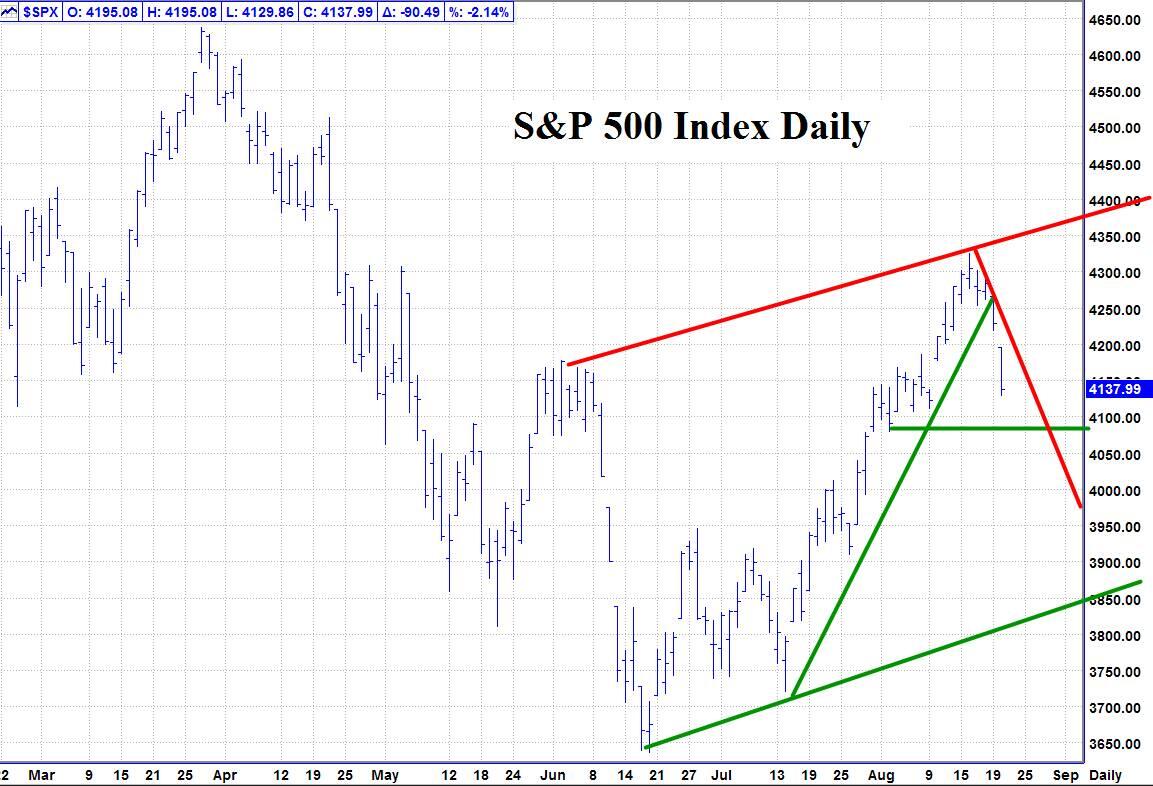
Please see below the S&P 500 Daily chart                                             

Support  - 4080  Resistance –  4160.
Chart

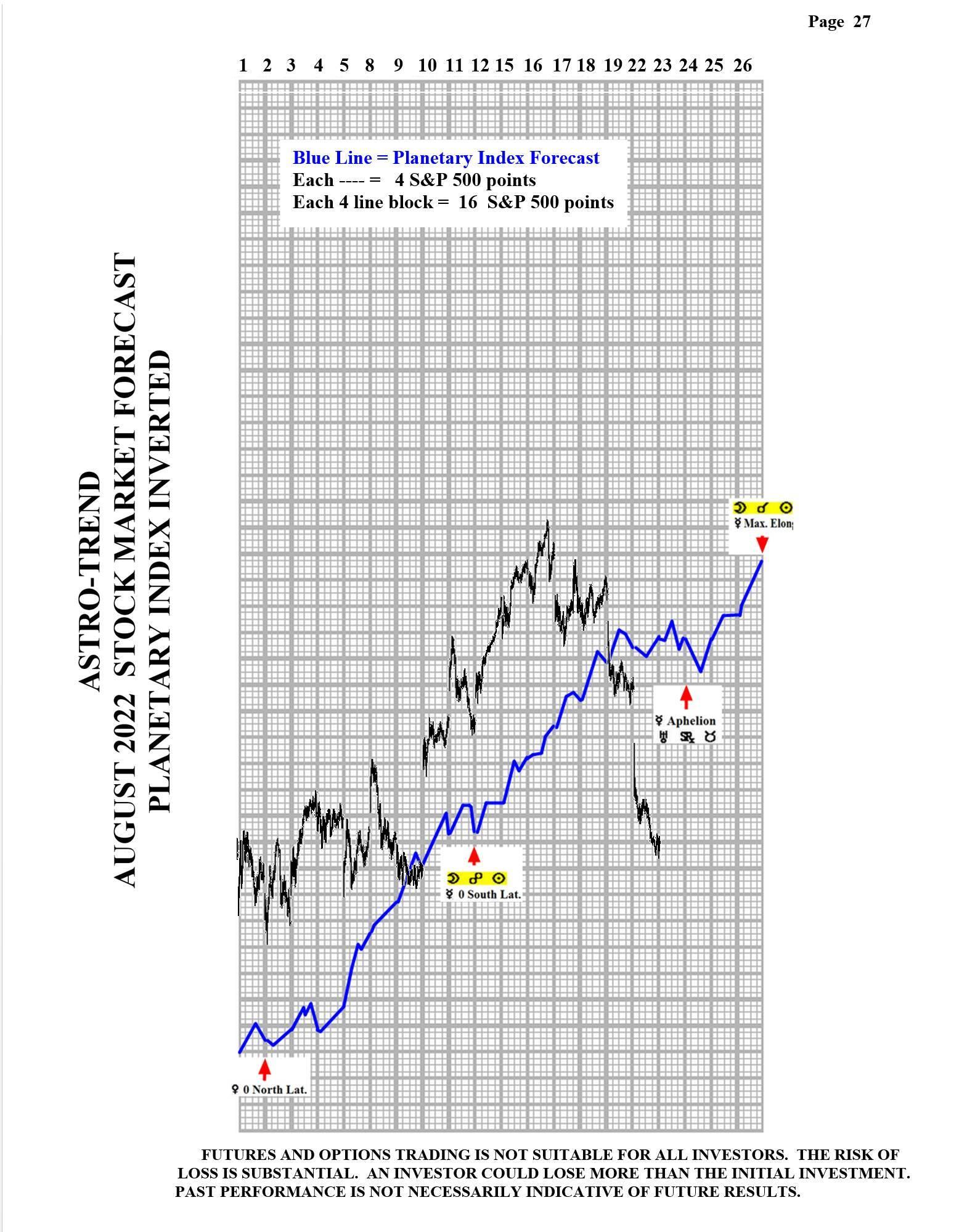
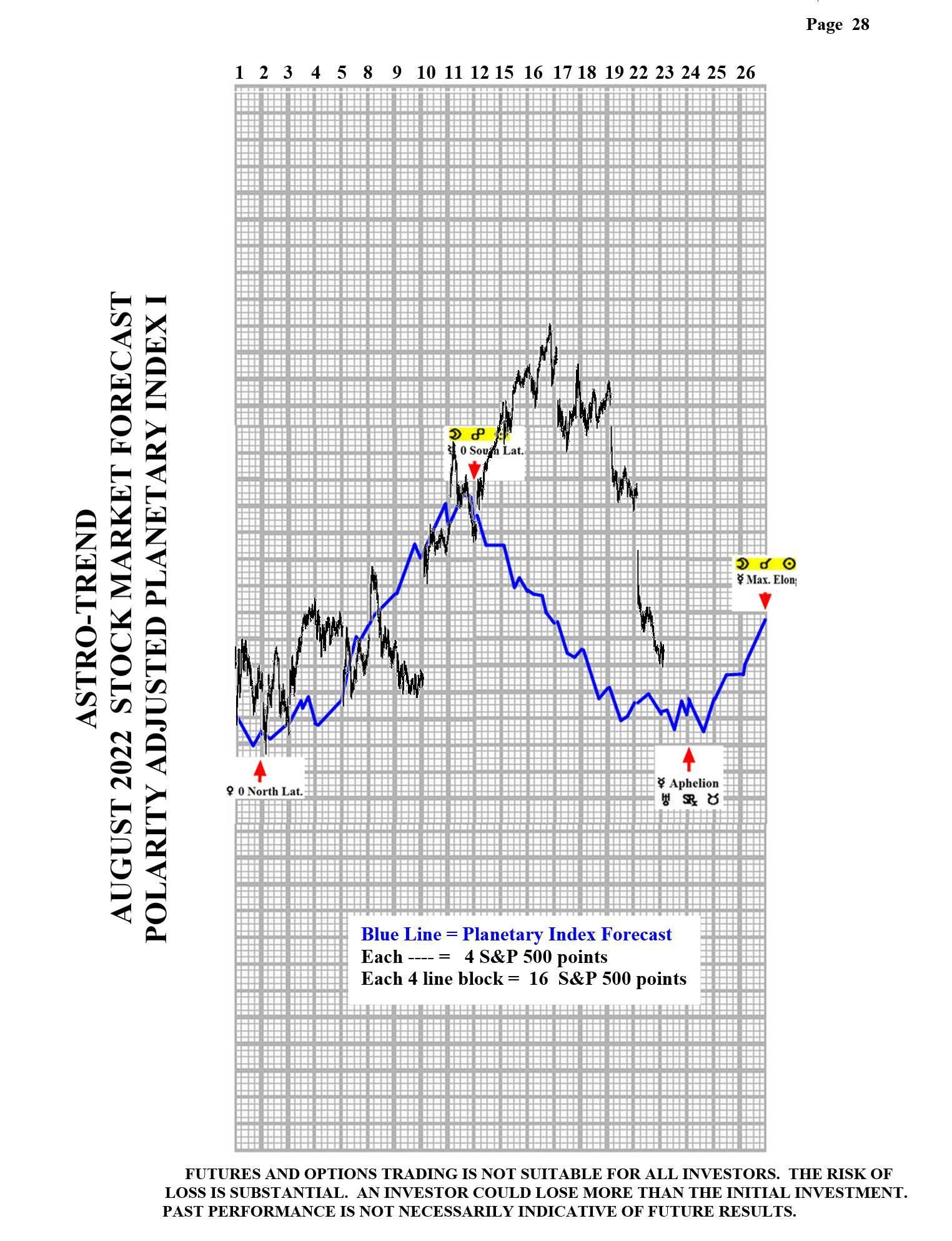
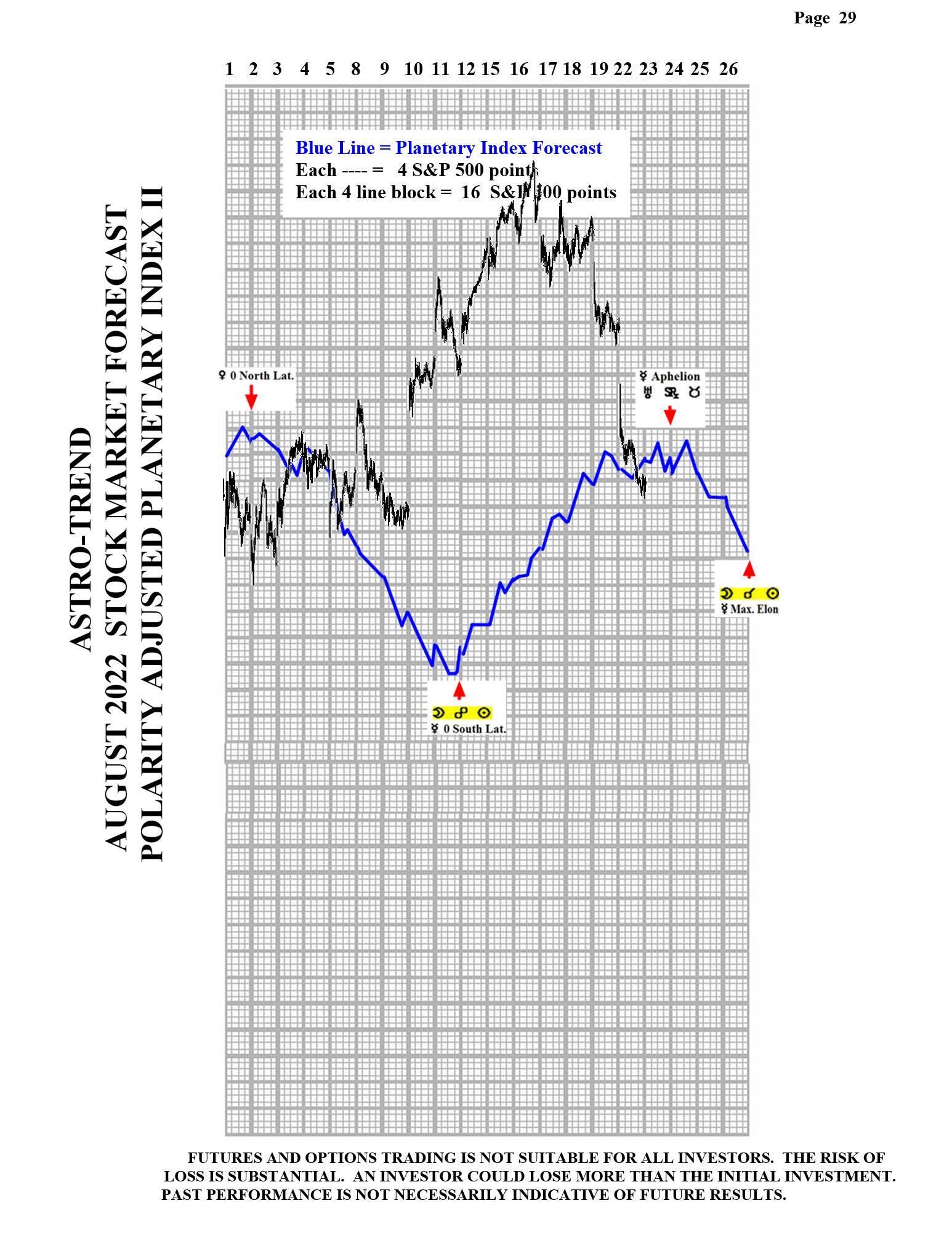
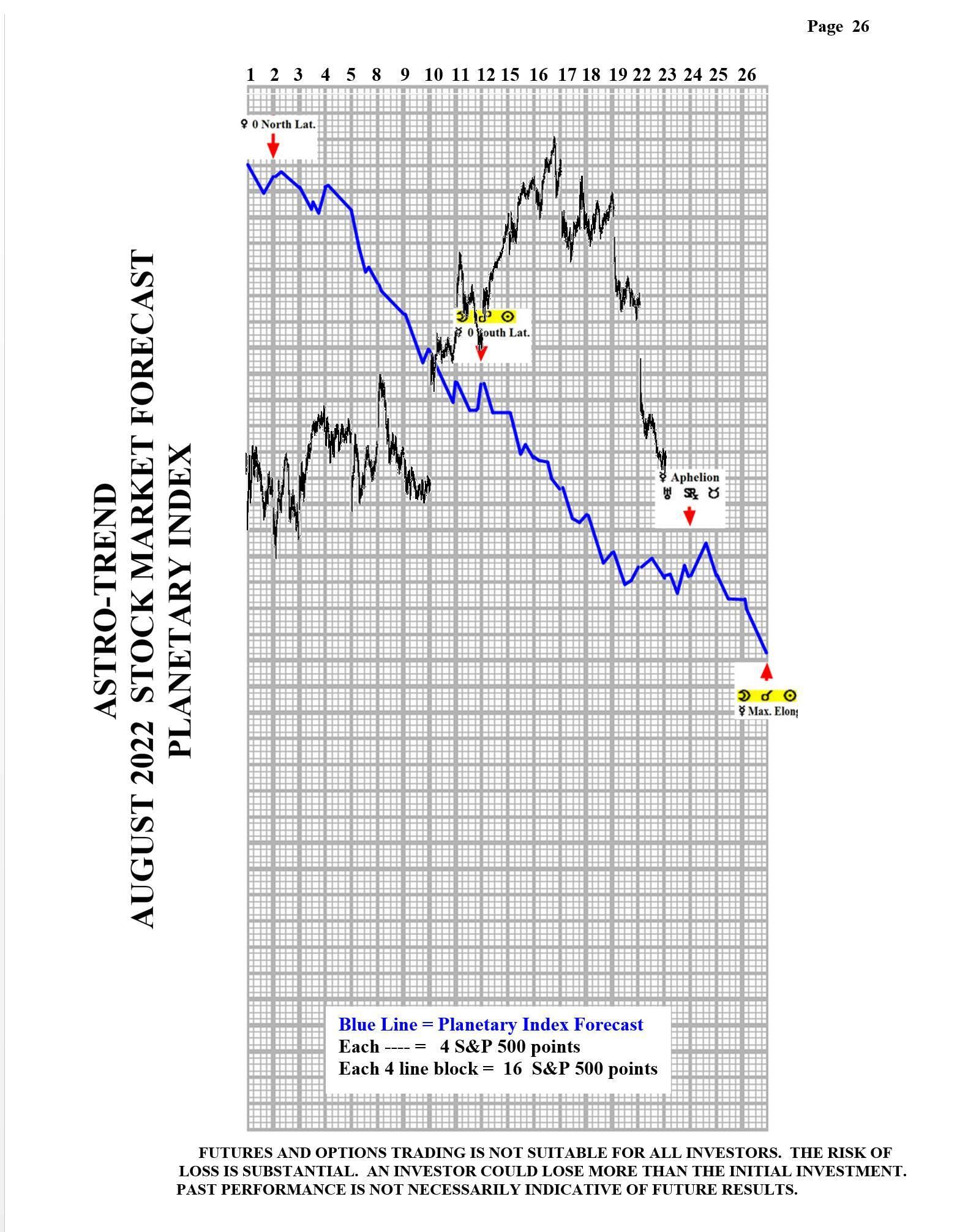
Please see below the August Planetary Index chart with S&P 500 10 minute bars for results.
Chart
Chart
Chart
Chart

Author

Norm Winski

Norm Winski

Independent Analyst

www.astro-trend.com

More from Norm Winski
Share:

Editor's Picks

AUD/USD: The 0.7000 region holds the downside, for now

AUD/USD has started the week in a negative fashion, giving away part of Friday’s uptick and refocusing on the downside. The pair’s daily decline has come on the back of the another firm performance of the Greenback, although it has met some decent contention near the 0.7000 neighbourhood.

USD/JPY struggles below 157.00 on weak USD; holds above one-month low ahead of Fed, BoJ meetings

USD/JPY attracts fresh sellers during the Asian session on Monday, stalling its recovery from the lowest level since September 18, touched Friday as a further decline in US bond yields weighs on the US Dollar. Meanwhile, the Japanese Yen benefits from a more hawkish BoJ, further weighing on the currency pair. The downside, however, seems limited as traders keenly await Fed and BoJ policy meetings later this week.

Gold holds on just above $4,000

Gold clings to daily gains, leaving behind two daily drops in a row and reclaiming the key $4,000 mark per troy ounce and above on Monday. The better tone in the US Dollar and mixed US Treasury yields accompany the precious metal’s uptick, while declining crude oil prices appear to sustain the bounce for now.

Bitcoin vs Gold: BTC springs above $80K as XAU tops $4,000 amid low compressed volatility
Bitcoin (BTC) is bouncing back above $80,000 on Monday, while Gold (XAU/USD) is springing above the pivotal $4,000 level, up a modest 0.34% and 0.64%, respectively. Both assets are advancing amid low volatility as market participants position ahead of the Federal Reserve’s (Fed) decision on Wednesday and earnings from several major tech companies.
Everyone's bracing for a hawkish central bank week. Here's why the surprise could be dovish

Five of the world's major central banks are preparing to announce monetary policy decisions this week, with investors increasingly anticipating higher interest rates as the global energy shock continues to push inflation above target.

What November 3 means for the Fed's rate path and the US Dollar

The USD faces a decisive period ahead of the November 3 midterm elections. While markets anticipate another interest rate increase from the Fed in December, the battle for control of Congress could reshape fiscal policy expectations and, indirectly, the path of US monetary policy in 2027.