Steel prices eye a rebound on lower-than-expected China inflation and infrastructure boost
- Steel prices are expected to display a firmer rebound in infrastructure spending boost.
- The headwinds of Covid-19, real estate slowdown, and monsoon season are fading away.
- A decline in China’s inflation rate will force the PBOC to scale up its dovish stance.
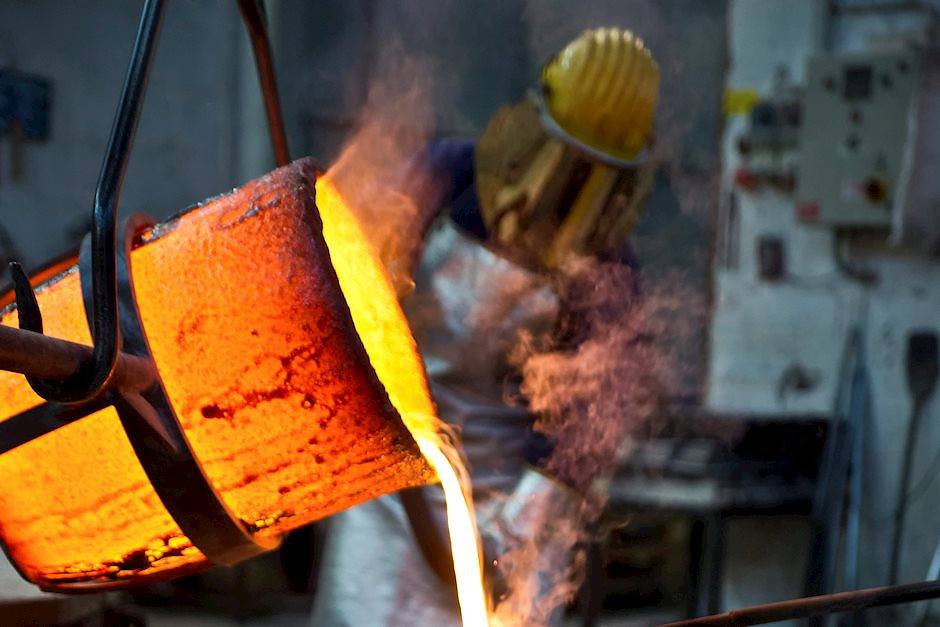

Steel prices remained in a negative trajectory for a tad longer period as Chinese steel mill owners halted the production process to scale down their expenses due to already unsold inventories. The metal prices are expected to display a stellar recovery as the Chinese administration is announcing stimulus packages to boost infrastructure spending.
Earlier, the headwinds of a resurgence in Covid-19, environmental issues due to steel production smelters, a slowdown in the real estate sector, and the arrival of monsoon season in various provinces of China and other parts of Asia had restricted the steel demand. As slowdown worries have reached the rooftop, the Chinese administration has announced significant stimulus packages to scale down the former.
In addition to the $44 billion stimulus announced at June end, the administration has publicized another $4 billion in quotas for infrastructure spending. As the projected infrastructure spending will kick-start, prices of steel will witness a decent buying interest.
Meanwhile, the Chinese economy has come out with a decline in inflation numbers. China’s Consumer Price Index (CPI) has landed at 2.5%, lower than the expectations and the prior release of 2.8% and 2.7% respectively on an annual basis. While the monthly figure is negative by 0.1% against 0.2% of expectations and 0.5% of former release.
A decline in China’s inflation will force the People’s Bank of China (PBOC) to sound dovish and trim the Prime Lending Rate (PLR) further. And, more liquidity flush into the economy will spurt the volumes in economic activities, which will eventually improve the steel demand vigorously.
Author
Sagar Dua
FXStreet
Sagar Dua is associated with the financial markets from his college days. Along with pursuing post-graduation in Commerce in 2014, he started his markets training with chart analysis.