|

S&P 500 Futures keep mild gains above 3,300 as news from US, Brussels fan market optimism

  • S&P 500 Futures print four-day winning streak, surge the most in three weeks the previous day.
  • Brexit hopes, expectations of US stimulus keep trading sentiment positive.
  • Light calendar restricts major moves ahead of EU-UK talks in Brussels, US Presidential Election debate also be the key.
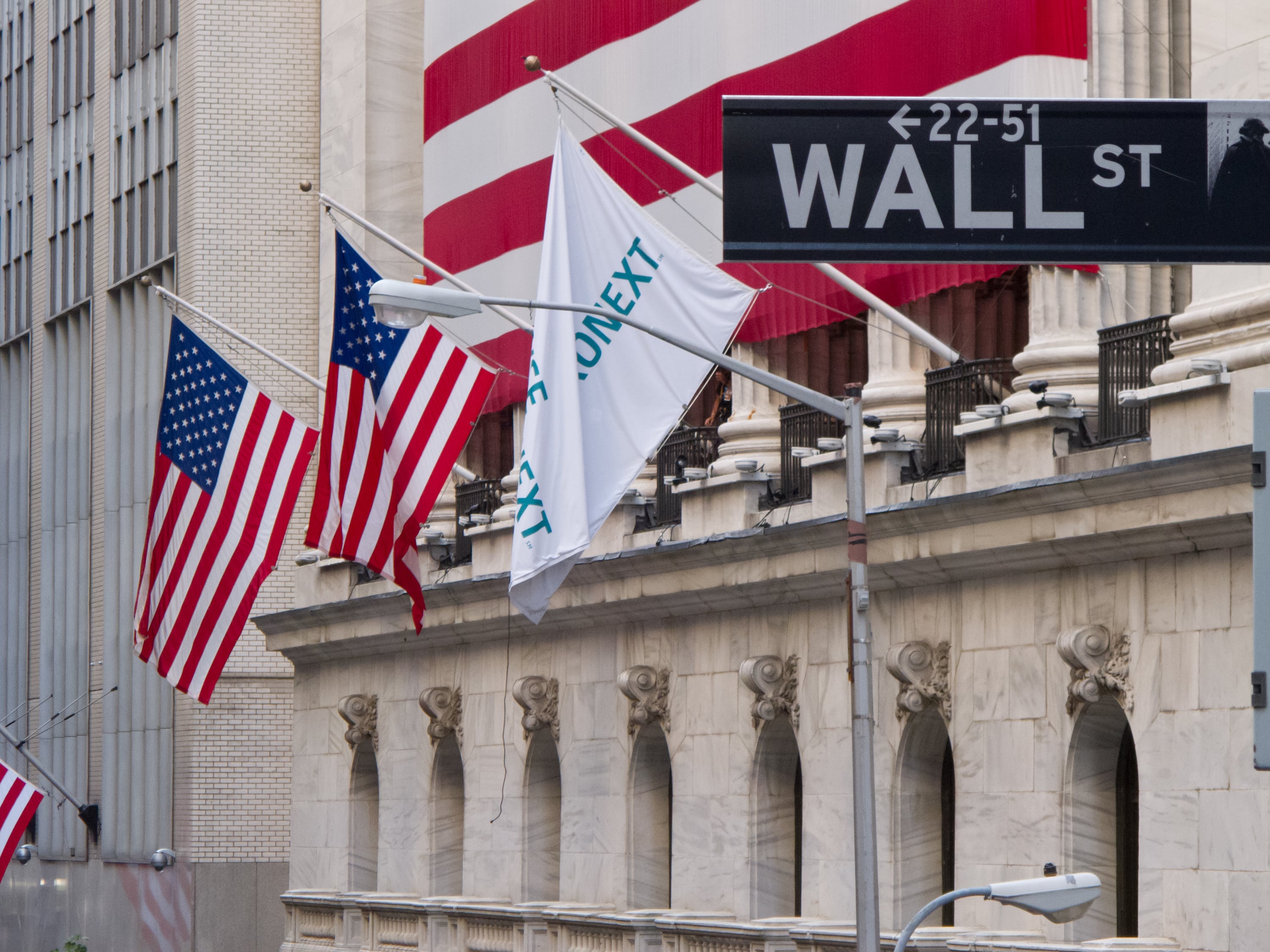
S&P 500 Futures rises to 3,357.40, up 0.33% intraday, amid the initial hour of Tokyo open on Tuesday. In doing so, the risk barometer stays positive after Monday’s upbeat performance amid risk-positive headlines from America and the European Union (EU). Also favoring the market sentiment could be hopes of the coronavirus (COVID-19) vaccine.

With the US Democrats’ readiness to alter previous proposals, the deadlock over the much-awaited stimulus talks seems to break anytime. US House Speaker Nancy Pelosi recently said, "We have been able to make critical additions and reduce the cost of the bill by shortening the time covered for now." On the other hand, US Treasury Secretary Steve Mnuchin is also pushing harder to not fall for any longer brakes on the aid package.

In addition to the American Congress, the European Central Bank (ECB) is also signaling further stimulus. In her latest speech, the ECB President Christine Lagarde showed preparedness “ready to adjust all of its instruments, as appropriate” to combat the COVID-19 resurgence that threatens an economic recovery from lockdowns.

On the other hand, The Times came out with the news suggesting that the EU policymakers are ready to put their guns down and rewrite the legal agreement ahead of today’s ninth round of Brexit talks in Brussels.

It should also be noted that stocks in Australia remain firm whereas Japan’s Nikkei bears the burden of downbeat inflation data. Elsewhere, the US 10-year Treasury yields also remain mostly sideways around 0.65%.

Moving on, market players will keep eyes on a slew of Fed policymakers’ speeches up for crossing wires during the North American Session. Though, the first round of debate for the Presidential Election 2020 gains all the market attention.

Author

Anil Panchal

Anil Panchal

FXStreet

Anil Panchal has nearly 15 years of experience in tracking financial markets. With a keen interest in macroeconomics, Anil aptly tracks global news/updates and stays well-informed about the global financial moves and their implications.


More from Anil Panchal
Share:

Editor's Picks

AUD/USD eyes 0.7000 as USD remains on the back foot amid softer bond yields

AUD/USD fills a modest bearish gap on Monday, approaching 0.7000 during the Asian session amid holiday-thinned liquidity. The US Dollar remains on the back foot as US bond yields pull back from multi-year highs, supporting the pair. However, the Fed's hawkish outlook and the US-Iran standoff should limit USD losses. Moreover, diminishing odds of another RBA rate hike in November might cap the Aussie.

USD/JPY remains confined in a familiar range around 158.00

USD/JPY extends its range-bound price action at the start of a new week, trading around 158.00 as bulls remain on high alert amid speculation that authorities would step in to prop up the Japanese Yen. Furthermore, softer US bond yields keep US Dollar bulls on the back foot and cap the currency pair. However, geopolitical uncertainties could limit losses for the safe-haven buck amid thin liquidity due to a holiday in Japan and the US.

Gold advances to over one-week top, above $4,200 on softer bond yields/USD

Gold moves above $4,200 on Monday, hitting an over one-week high during the Asian session as softer US bond yields keep US Dollar bulls on the defensive. However, the US-Iran standoff over the Strait of Hormuz, along with a hawkish Fed, could limit USD losses. This could cap non-yielding bullion as traders look to US inflation figures and Fed Chair Kevin Warsh's speech for a fresh impetus during the latter part of this week.

Week ahead: US CPI, France’s budget crisis and Q3 earnings to set the market tone
The US dollar held relatively strong this week, despite the disappointing US jobs report on October 2, which further decreased the probability of a back-to-back rate hike by the Fed at the upcoming gathering on October 28.
Middle East War updates: New attack launched on Saudi airport
Here’s a brief recap of the key developments in the Middle East war that occurred over the weekend, which are expected to have a significant impact on markets in the upcoming week. In the world of financial jargon the two widely used terms “risk-on” and “risk off'' refer to the level of risk that investors are willing to stomach during the period referenced.
Has Bitcoin really escaped the macro forces it was built to fight?
Over 17 years ago, Satoshi Nakamoto designed Bitcoin (BTC) on the back of a global financial crisis as an alternative to the global monetary system outside the control of central banks, governments and traditional intermediaries. This raises a key question: has Bitcoin really become independent of the macroeconomic forces it was built to challenge?















