SNB's Schlegel: With today's cut we are countering lower inflationary pressure
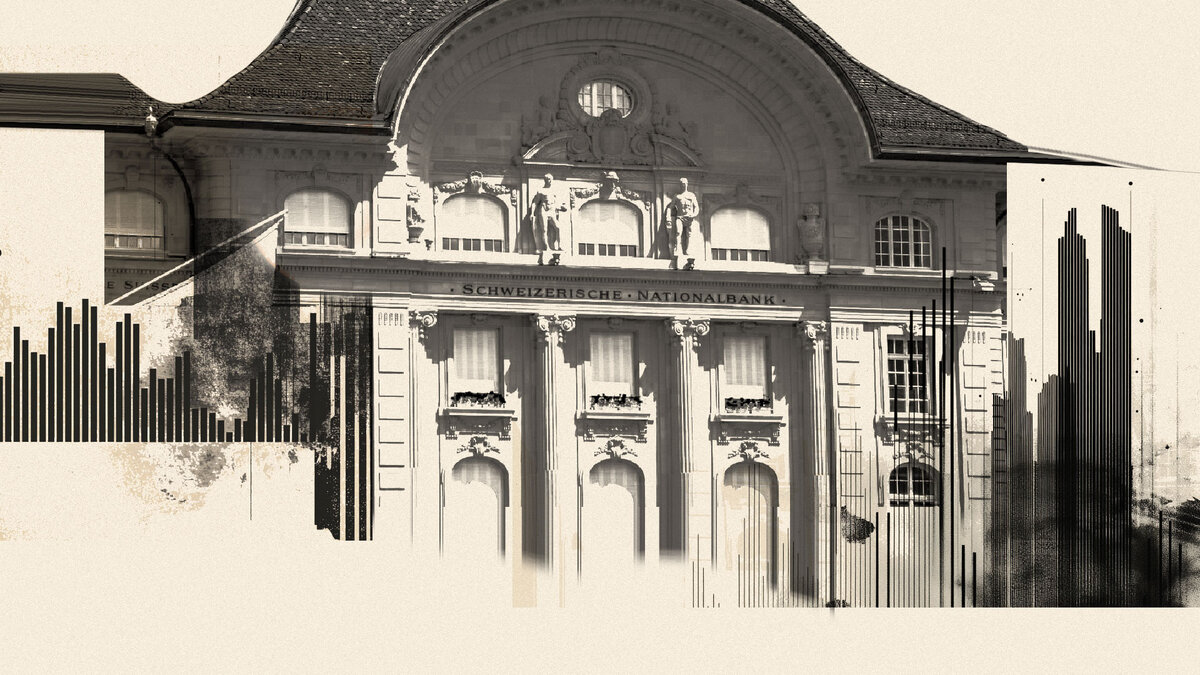

Swiss National Bank (SNB) Chairman Martin Schlegel is addressing the post-meeting press conference, explaining the decision behind the 25 basis points (bps) interest rate cut to 0%.
Key quotes
With today's cut we are countering lower inflationary pressure.
Inflationary pressure has decreased.
We are now on the verge of negative interest rate territory.
We will continue to monitor situation and adjust policy if necessary.
Without today's interest rate cut, our inflation forecast would have been lower.
Negative rates were important instrument in the past.
Uncertainty about future inflation is still elevated.
We are aware of undesirable effect of negative interest rates.
Interest rate cut driven by lower inflation.
We don't take decision on negative interest rates lightly.
We can never exclude any measure on interest rates.
We have discussed many options, but negative rates have side effects.
Financial stability is not threatened by the current interest rate environment.
Rising prices in real estate sector is one of the unwanted side effects of negative rates.
For the SNB zero is not negative interest rates, although there can be market rates in the negative area.
Hurdle to further cut interest rates is much higher when we are at zero.
Typically forex interventions are in the most liquid markets, in Dollar and Euro.
Market reaction to SNB Schlegel’s comments
As of writing, USD/CHF is keeping its range below 0.8200, defending 0.13% gains on the day.
SNB FAQs
The Swiss National Bank (SNB) is the country’s central bank. As an independent central bank, its mandate is to ensure price stability in the medium and long term. To ensure price stability, the SNB aims to maintain appropriate monetary conditions, which are determined by the interest rate level and exchange rates. For the SNB, price stability means a rise in the Swiss Consumer Price Index (CPI) of less than 2% per year.
The Swiss National Bank (SNB) Governing Board decides the appropriate level of its policy rate according to its price stability objective. When inflation is above target or forecasted to be above target in the foreseeable future, the bank will attempt to tame excessive price growth by raising its policy rate. Higher interest rates are generally positive for the Swiss Franc (CHF) as they lead to higher yields, making the country a more attractive place for investors. On the contrary, lower interest rates tend to weaken CHF.
Yes. The Swiss National Bank (SNB) has regularly intervened in the foreign exchange market in order to avoid the Swiss Franc (CHF) appreciating too much against other currencies. A strong CHF hurts the competitiveness of the country’s powerful export sector. Between 2011 and 2015, the SNB implemented a peg to the Euro to limit the CHF advance against it. The bank intervenes in the market using its hefty foreign exchange reserves, usually by buying foreign currencies such as the US Dollar or the Euro. During episodes of high inflation, particularly due to energy, the SNB refrains from intervening markets as a strong CHF makes energy imports cheaper, cushioning the price shock for Swiss households and businesses.
The SNB meets once a quarter – in March, June, September and December – to conduct its monetary policy assessment. Each of these assessments results in a monetary policy decision and the publication of a medium-term inflation forecast.
Author
Dhwani Mehta
FXStreet
Residing in Mumbai (India), Dhwani is a Senior Analyst and Manager of the Asian session at FXStreet. She has over 10 years of experience in analyzing and covering the global financial markets, with specialization in Forex and commodities markets.