RBA Preview: Six major banks expectations
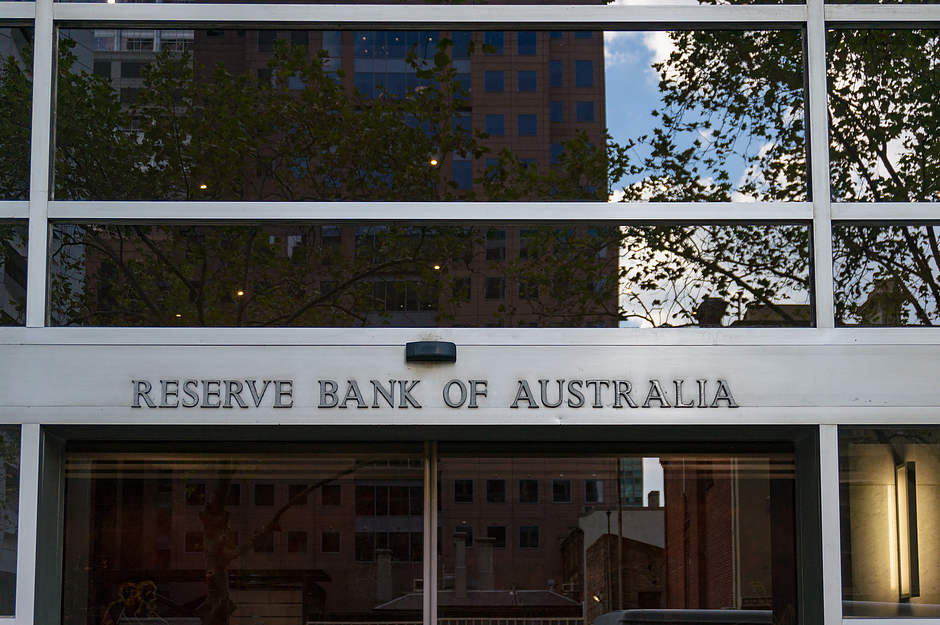

The Reserve Bank of Australia (RBA) will announce its Interest Rate Decision on 4 August at 04:30 GMT. The market consensus is for the RBA to stay on hold and as we get closer to the release time, here are the expectations forecast by the economists and researchers of six major banks regarding the upcoming central bank's meeting.
See – AUD/USD: RBA concerns about aussie strength to trigger a deep correction
ING
“With their policy rates at all-time lows and focus on monetary easing working its way into the real economy, Australia's central bank meeting in all likelihood will pass as a non-event. We aren’t expecting the RBA to alter policy. Meanwhile, the policy minutes may provide some insights about the future policy course.”
ANZ
“The RBA is expected to upgrade its view of 2020, in contrast to our downgrade. This reflects the respective timing of previous forecasts rather than a different view about the impact of the Melbourne lockdown. The RBA will be a little less positive about 2021 than it was before. As a consequence, unemployment will take longer to drop below 7%. Little change expected in the inflation outlook, other than base adjustments from the Q2 outcome.”
Westpac
“The RBA is expected to keep policy settings unchanged at its August meeting. The Bank is providing considerable support to the economy through a range of stimulus policies and will continue to do so for the foreseeable future. The key elements of the RBA's response to the pandemic are as follows: 1) lowering the cash rate to 0.25%; 2) targeting the 3-year government bond rate at 0.25%; 3) market operations, as needed, to provide ample liquidity to the banking system; 4) a Term Funding Facility for the banking system providing 3-year funding at 0.25%; and 5) setting the rate paid on Exchange Settlement balances at the RBA at 10bps.”
Standard Chartered
“We expect the RBA to keep the policy cash rate at the floor of 0.25% at its August meeting. The slew of policy measures announced at its mid-March intermeeting have worked in containing domestic interest rates and market volatility – in March, the RBA reduced the policy cash rate to the 0.25% floor, announced QE and yield curve control (YCC) and a term funding facility. The RBA’s YCC has worked well in anchoring 3Y interest rates; it has not had to engage in purchases for most of the past three months. Governor Lowe noted in a speech in July that the RBA was unlikely to change its policy mix near-term; we do not believe conditions onshore have changed sufficiently to alter that stance. The continued increase in coronavirus infections in Victoria and the spread to New South Wales is a concern; the re-imposition of lockdowns might also hurt growth – the RBA is likely to watch these events cautiously. Controlled relaxation of social distancing measures in other parts of the country is also likely to lead to increased activity in Q3. The success of its YCC measures and likely improvement in domestic activity would enable the RBA to stay on the sidelines in the near-term.”
TDS
“The target cash rate should remain at 0.25% given the Minutes of the July meeting stated there is ‘no need to adjust the package of policy measures in Australia in the current environment’. Otherwise on Tuesday the market will look to get a flavour of the Bank's latest set of forecasts for GDP, CPI and unemployment that will be published on Friday. Luci Ellis speech post SoMP.”
UOB
“The RBA has effectively exhausted conventional monetary policy by cutting the OCR to its self-imposed floor of 0.25%. Hence, we do not see further reductions in the policy rate, with negative rates ruled out by RBA Governor Phillip Lowe (for now). The focus will remain firmly on end-users rates via the yield curve target, as well as ensuring sufficient liquidity in bond markets and the free flow of credit to households and business.”
Author
FXStreet Team
FXStreet