Powell speech: Any decision about future rate cuts will be about what the economy needs
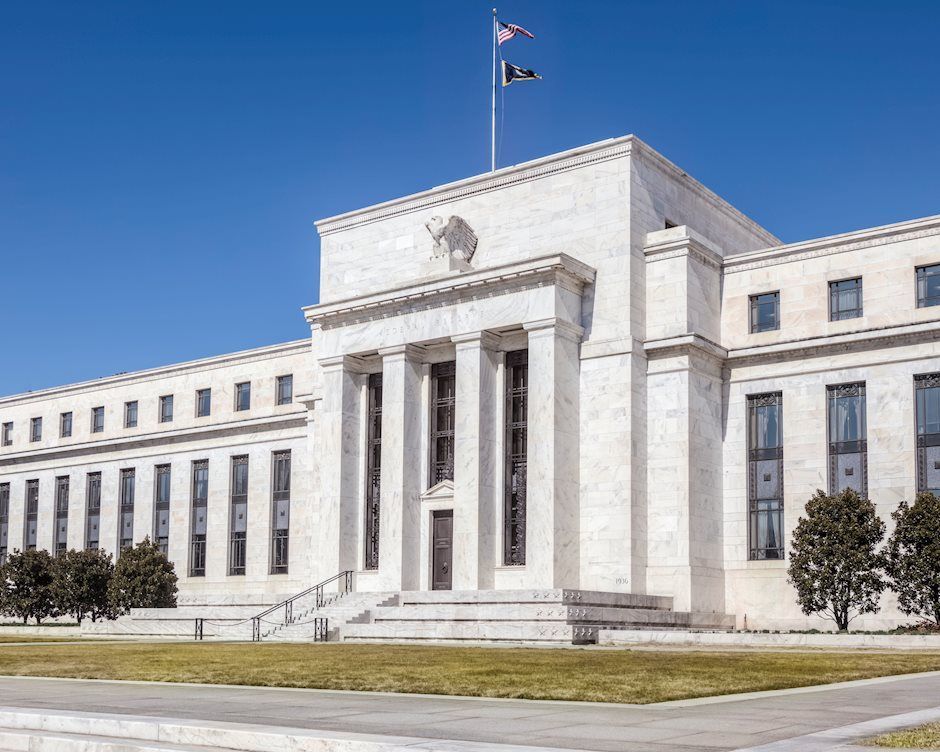

Federal Reserve Chairman Jerome Powell holds a news conference to explain why they have decided to leave the policy rate, federal funds rate, unchanged at the range of 5.25-5.5% at the September FOMC meeting and responds to questions.
Key takeaways
"As we get closer to the stance of policy that's appropriate, risks become more two-sided."
"Risk of overtightening and undertightening is becoming more equal, need to find our way to the right level of restriction."
"Looks like we've had a bit of a turn of inflation in June."
"Energy prices are very important for consumers."
"It comes down to how sustained high energy prices are."
"If energy prices increase and stay high will affect spending, may affect inflation expectations."
"We tend to look through short-term moves in energy prices."
"Rise in long-term yields is mostly not about inflation expectations, more about growth, supply of treasuries."
"Any decision about future rate cuts will be about what the economy needs."
"We are not looking for a decrease in consumer spending."
"It's a good thing the economy is holding up under rate hikes."
"If economy comes in stronger than expected it means we will have to do more to bring down inflation."
"Concern number one is restoring price stability."
About Jerome Powell (via Federalreserve.gov)
"Jerome H. Powell first took office as Chair of the Board of Governors of the Federal Reserve System on February 5, 2018, for a four-year term. He was reappointed to the office and sworn in for a second four-year term on May 23, 2022. Mr. Powell also serves as Chairman of the Federal Open Market Committee, the System's principal monetary policymaking body. Mr. Powell has served as a member of the Board of Governors since taking office on May 25, 2012, to fill an unexpired term. He was reappointed to the Board and sworn in on June 16, 2014, for a term ending January 31, 2028."
Author
Eren Sengezer
FXStreet
As an economist at heart, Eren Sengezer specializes in the assessment of the short-term and long-term impacts of macroeconomic data, central bank policies and political developments on financial assets.