|

NZ: Real GDP data helps support NZD – MUFG
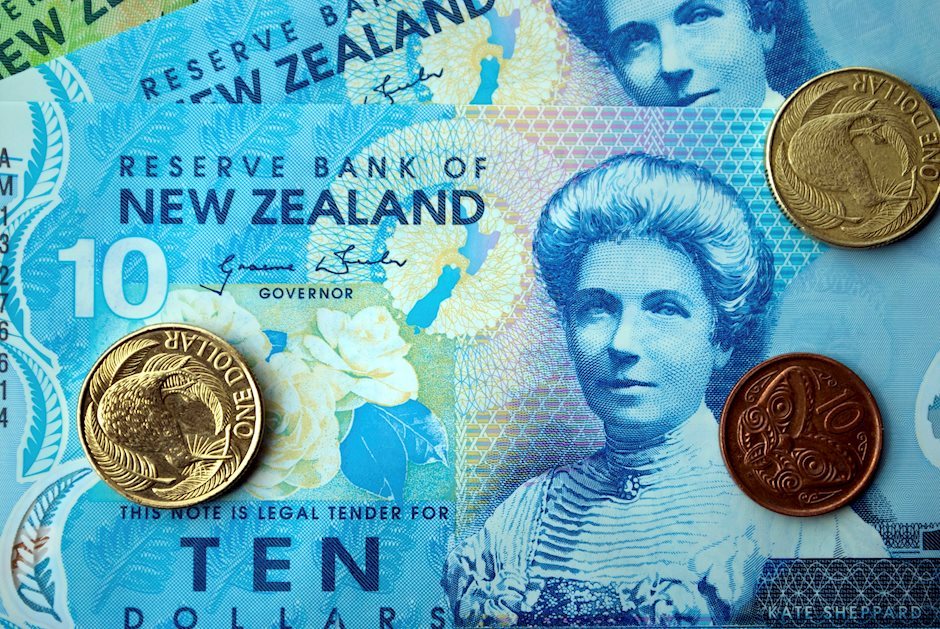
Derek Halpenny, European Head of GMR at MUFG, notes that the real GDP data for Q3 in New Zealand was released earlier and the Q3 growth rate was stronger than expected and stronger than what the RBNZ expected with Q/Q growth of 1.1% versus a consensus of 0.8%.

Key Quotes

“Surging immigration and a housing boom are helping boost growth. However, because of revisions to previous quarters, the annual growth rate at 3.5% was slightly below expectations.”

“The obvious conclusion would of course be to assume stronger growth may mean the RBNZ tightens monetary policy sooner than expected. However, we still see ample scope for the RBNZ to hold off for some considerable period of time – perhaps as long as all of next year. While the GDP data was clearly strong, the RBNZ will have noted the weakness on the export side while the momentum in investment also slowed.”

“The RBNZ has considerable scope for maintaining monetary policy, with only the SNB with greater scope to do nothing than the RBNZ amongst all G10 central banks. The very low level of inflation, the less accommodative stance relative to other G10 countries and the stronger level of the NZD (relative to other G10 currencies) using our valuation metrics provides ample scope for RBNZ caution on taking monetary action.”

“Interestingly, markets don’t appear to agree with that analysis with the New Zealand yield curve showing the greatest extent of monetary tightening priced amongst all G10 countries apart from the US. If the RBNZ does at some point over the coming weeks take the opportunity to stress the scope it has to remain side-lined, the New Zealand dollar could have further to fall. We certainly see scope for AUD/NZD to move higher from here based on our RBNZ view.”

Author

Sandeep Kanihama

Sandeep Kanihama

FXStreet Contributor

Sandeep Kanihama is an FX Editor and Analyst with FXstreet having principally focus area on Asia and European markets with commodity, currency and equities coverage. He is stationed in the Indian capital city of Delhi.


More from Sandeep Kanihama
Share:

Markets move fast. We move first.

Orange Juice Newsletter brings you expert driven insights - not headlines. Every day on your inbox.

By subscribing you agree to our Terms and conditions.

Editor's Picks

EUR/USD recovers to 1.1750 region as 2025 draws to a close

Following the bearish action seen in the European session on Wednesday, EUR/USD regains its traction and recovery to the 1.1750 region. Nevertheless, the pair's volatility remains low as trading conditions thin out on the last day of the year.

GBP/USD stays weak near 1.3450 on modest USD recovery

GBP/USD remains under modest beairsh pressure and fluctuates at around 1.3450 on Wednesday. The US Dollar finds fresh demand due to the end-of-the-year position adjustments, weighing on the pair amid the pre-New Year trading lull. 

Gold climbs to near $4,350 on Fed rate cut bets, geopolitical risks

Gold price rises to near $4,345 during the early Asian session on Friday. Gold finished 2025 with a significant rally, achieving an annual gain of around 65%, its biggest annual gain since 1979. The rally of the precious metal is bolstered by the prospect of further US interest rate cuts in 2026 and safe-haven flows.

Bitcoin, Ethereum and XRP prepare for a potential New Year rebound

Bitcoin, Ethereum, and Ripple are holding steady on Wednesday after recording minor gains on the previous day. Technically, Bitcoin could extend gains within a triangle pattern while Ethereum and Ripple face critical overhead resistance. 

Economic outlook 2026-2027 in advanced countries: Solidity test

After a year marked by global economic resilience and ending on a note of optimism, 2026 looks promising and could be a year of solid economic performance. In our baseline scenario, we expect most of the supportive factors at work in 2025 to continue to play a role in 2026.

Crypto market outlook for 2026

Year 2025 was volatile, as crypto often is.  Among positive catalysts were favourable regulatory changes in the U.S., rise of Digital Asset Treasuries (DAT), adoption of AI and tokenization of Real-World-Assets (RWA).