Japanese Yen lacks bullish conviction as fiscal concerns counter intervention fears
- Japanese Yen outperforms the USD amid fears of a joint US-Japan intervention in the market.
- Domestic political uncertainty ahead of the snap election on February 8 caps gains for the JPY.
- The USD preserves its recent strong recovery gains and helps limit further losses for USD/JPY.

The Japanese Yen (JPY) struggles to capitalize on its modest intraday gains against a softer US Dollar (USD) amid domestic political uncertainty ahead of the snap election on February 8. Moreover, fiscal concerns on the back of Prime Minister Sanae Takaichi's reflationary policies and a generally positive risk tone act as a headwind for the safe-haven JPY, though a combination of factors could limit deeper losses.
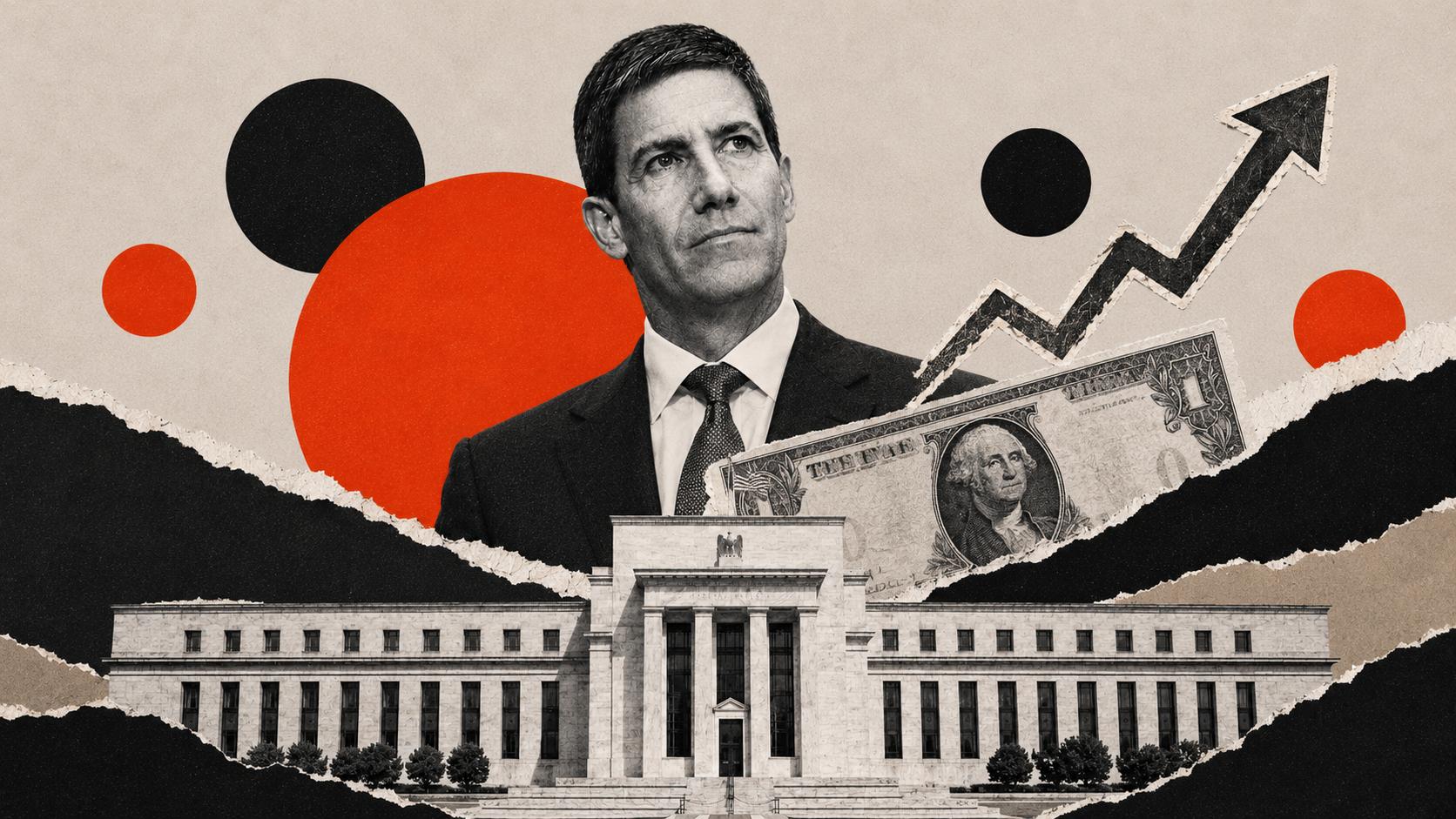
Comments from Japan’s Finance Minister Satsuki Katayama revive fears about a joint US-Japan intervention. This, along with hawkish Bank of Japan (BoJ) expectations, seems to underpin the JPY. Meanwhile, the nomination of Kevin Warsh as the next Federal Reserve (Fed) chair supports the USD and keeps the USD/JPY pair close to an over a one-week high, touched on Monday amid absent relevant macro releases.
Japanese Yen bulls seem hesitant amid political uncertainty
- Japan’s Finance Minister Satsuki Katayama said on Tuesday that she will continue to closely coordinate with US authorities as needed, based on a joint Japan and US statement issued in September last year, and respond appropriately.
- Furthermore, Katayama defended Prime Minister Sanae Takaichi's comments about the benefits of a weaker JPY on Monday and said that the premier was speaking in general terms about the impact of a weak JPY on the economy.
- The Summary of Opinions from the Bank of Japan's January meeting showed on Monday that policymakers debated mounting price pressures from a weak JPY, highlighting a hawkish view among the central bank's board members.
- Japan's PM Sanae Takaichi has pledged to suspend the consumption tax on food for two years in the event that her Liberal Democratic Party wins the snap election on February 8, raising concerns about the country's fiscal sustainability.
- US President Donald Trump announced on Monday that the US and India have reached a trade deal and will immediately move to lower tariffs on each other’s goods, boosting investors' confidence and capping the safe-haven JPY.
- Adding to this, signs of de-escalation of tensions between the US and Iran, over the latter's nuclear program, lower the risk premium and remain supportive of a positive risk tone, which could further undermine demand for the JPY.
- Trump nominated former Kevin Warsh to succeed Jerome Powell as Federal Reserve Chair in May, pending Senate approval. Warsh’s background as a hawk suggests that he would remain vigilant if inflation expectations begin to rise.
- The Institute for Supply Management's survey showed on Monday the US factory activity grew for the first time in a year and the Manufacturing PMI rose to 52.6 in January, marking a significant recovery from 47.9 in the previous month.
- This, in turn, assists the US Dollar to preserve its recent strong recovery gains from a four-year low, touched last week, and should contribute to limiting any meaningful decline for the USD/JPY pair, warranting caution for bears.
- There isn't any relevant market-moving economic data due for release from the US on Tuesday. Nevertheless, the mixed fundamental backdrop, warrants some caution before placing fresh directional bets around the USD/JPY pair.
USD/JPY bulls wait break above 50% retracement level
Spot prices struggle to make it through the 50% retracement level of the recent 159.23-152.10 downfall. A sustained strength beyond could lift USD/JPY pair to the 156.45 confluence – comprising the 61.8% Fibonacci retracement level and the 200-period Simple Moving Average (SMA) on the 4-hour chart. The latter slopes lower near 156.50, keeping the broader tone heavy. The USD/JPY pair trades beneath this long-term gauge, and recovery attempts would face supply on tests of it.
A decisive break above that band could unlock further recovery, while failure to clear it would keep sellers in control and risk a pullback within the prevailing bearish structure. The Moving Average Convergence Divergence (MACD) line remains in positive territory and above its Signal line, though momentum has cooled as the histogram narrows. The Relative Strength Index sits at 61, firm above the 50 midline without reaching overbought. Absent a sustained move above the 200-period SMA, rebounds would remain corrective.
(The technical analysis of this story was written with the help of an AI tool.)
(This story was corrected on February 3 at 04:39 GMT to remove the references to the JOLTS job openings data, which won't be published on Tuesday due to the partial US government shutdown.)
Fed FAQs
Monetary policy in the US is shaped by the Federal Reserve (Fed). The Fed has two mandates: to achieve price stability and foster full employment. Its primary tool to achieve these goals is by adjusting interest rates. When prices are rising too quickly and inflation is above the Fed’s 2% target, it raises interest rates, increasing borrowing costs throughout the economy. This results in a stronger US Dollar (USD) as it makes the US a more attractive place for international investors to park their money. When inflation falls below 2% or the Unemployment Rate is too high, the Fed may lower interest rates to encourage borrowing, which weighs on the Greenback.
The Federal Reserve (Fed) holds eight policy meetings a year, where the Federal Open Market Committee (FOMC) assesses economic conditions and makes monetary policy decisions. The FOMC is attended by twelve Fed officials – the seven members of the Board of Governors, the president of the Federal Reserve Bank of New York, and four of the remaining eleven regional Reserve Bank presidents, who serve one-year terms on a rotating basis.
In extreme situations, the Federal Reserve may resort to a policy named Quantitative Easing (QE). QE is the process by which the Fed substantially increases the flow of credit in a stuck financial system. It is a non-standard policy measure used during crises or when inflation is extremely low. It was the Fed’s weapon of choice during the Great Financial Crisis in 2008. It involves the Fed printing more Dollars and using them to buy high grade bonds from financial institutions. QE usually weakens the US Dollar.
Quantitative tightening (QT) is the reverse process of QE, whereby the Federal Reserve stops buying bonds from financial institutions and does not reinvest the principal from the bonds it holds maturing, to purchase new bonds. It is usually positive for the value of the US Dollar.
Author

Haresh Menghani
FXStreet
Haresh Menghani is a detail-oriented professional with 10+ years of extensive experience in analysing the global financial markets.