Japan FX Today: The Yen falls after the Fed meeting, traders waiting for the BoJ
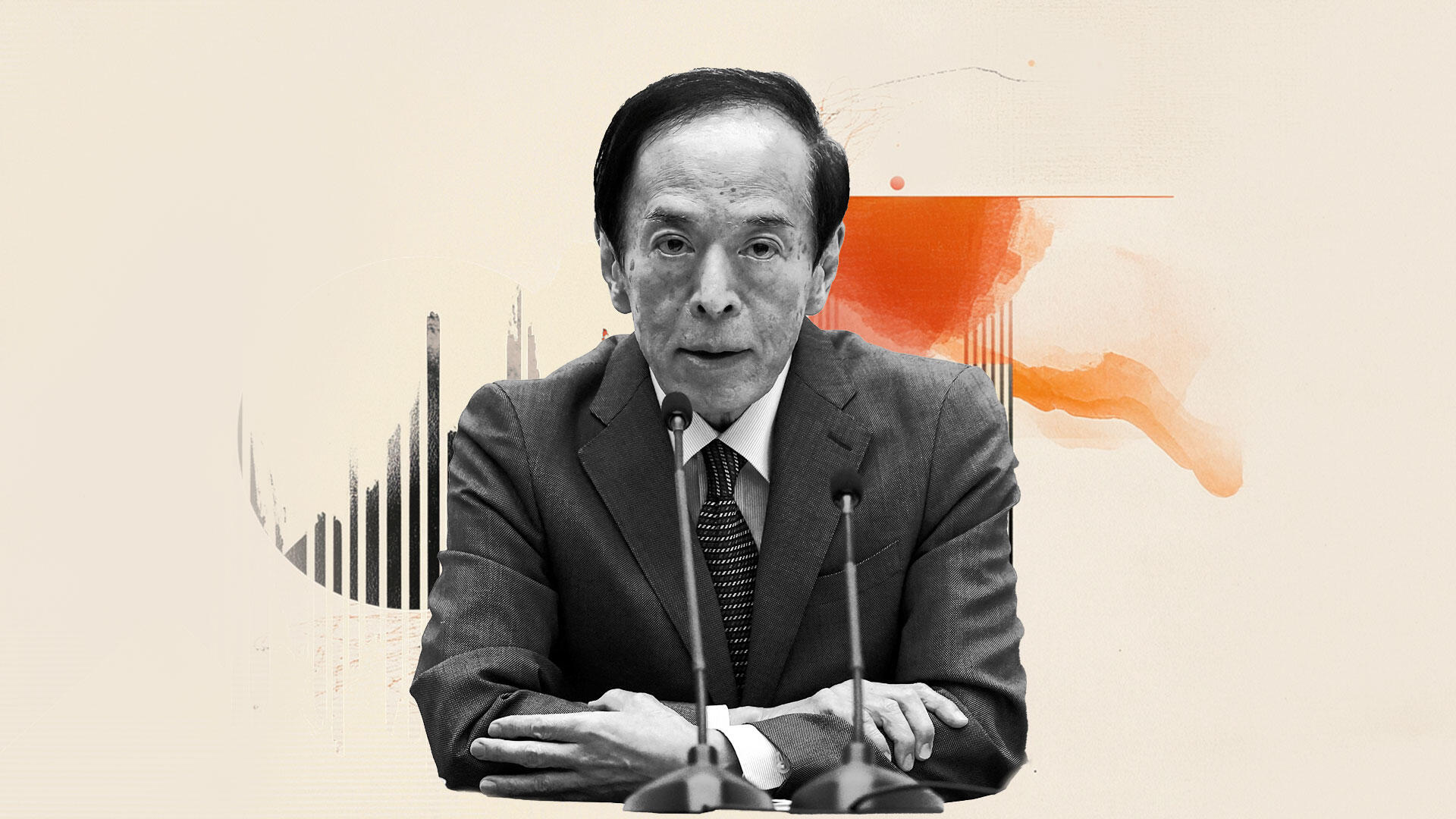
The Japanese Yen (JPY) retreated further against the US Dollar (USD) on Thursday, with the USD/JPY pair gaining almost 0.5% on the day at 147.70, after briefly bottoming out at 145.48 on Wednesday following the Federal Reserve (Fed) meeting.
JPY traders now turn their attention to Friday's monetary policy decision by the Bank of Japan (BoJ). Despite persistent inflation above 3% and growing expectations of further monetary tightening, the BoJ is expected to leave its key interest rate unchanged at 0.5%.
Complex economic factors hold the BoJ back
The market is now anticipating less than a 1% probability of a BoJ interest rate hike on Friday, but is keeping its sights on a potential hike in October (29% probability) or December (63% probability), notes MNI Markets.
According to a Bloomberg survey of 50 analysts, none expect a policy change at this week's meeting.
If the BoJ is to surprise, it will probably be at Governor Kazuo Ueda's press conference at 6:30 GMT, which will be closely watched for any shift in the central bank's tone.
The BoJ's cautious stance can be explained by a cocktail of uncertainties. Inflation dynamics remain unclear, the threat of US tariffs and, above all, a political crisis triggered by the sudden resignation of Prime Minister Shigeru Ishiba.
This backdrop is fuelling feverish investor anticipation, especially as the election of the new leader of the Liberal Democratic Party (LDP), scheduled for October 4, could redraw the contours of the country's economic policy.
In the meantime, the Japanese Yen continues to benefit from the fall in US interest rates, but remains under close market scrutiny.
Inflation is still far from the BoJ target
The Bank of Japan is in wait-and-see mode, despite inflation remaining solidly above its 2% target for over three years.
In July, headline inflation reached 3.1%, while core inflation, which excludes food and energy, remained at 3.4%. But this dynamic masks mixed signals. While food prices, particularly rice, have risen sharply in recent months, inflation is tending to stabilize.
As Hirofumi Suzuki, Chief FX Strategist at Sumitomo Mitsui Banking Corporation, pointed out to CNBC, "the drop in rice prices expected in September could return inflation to a more moderate trend".
Japan's inflation data for August are due on Thursday at 23:50, just hours before the BoJ meeting, but the release is unlikely to have a significant impact on the central bank's decision on Friday.
The consensus forecast is for a slowdown in the ex-Fresh Food Consumer Price Index from 3.1% to 2.7%.
Against this backdrop, the BoJ is neither rushing nor delaying its rate hike schedule. As Goldman Sachs notes, it is "waiting for clear signals on wage increases, particularly during the spring 2026 negotiations".
For the time being, no growth or inflation forecasts will be published at this meeting, which limits the scope of possible announcements.
According to Citi, the BoJ's recent firmer statements are "more intended to curb the Yen's depreciation than to pave the way for an imminent hike".
Technical analysis of USD/JPY: Uncertainty persists
-1758202718820-1758202718820.png)
USD/JPY 4-hour chart. Source: FXStreet.
Apart from a brief bullish attempt at the end of July and a bearish one on Wednesday, the USD/JPY pair has been moving without a clear trend in a wide horizontal range between 146 and 149 since July 8. The lack of a trend is underlined by the 100-period Simple Moving Average (SMA) on the 4-hour chart.
This SMA currently offers a resistance level at 147.48, whose breach could encourage a further test of the top of the range towards 149.00. However, traders will be watching for a significant breakthrough of the range in order to establish a new, clearer trend.
So, as long as USD/JPY remains within the range, lack of direction and caution are likely to prevail. The question now is whether the BoJ Governor's Ueda speech will contain sufficient surprises to provoke a strong move in the Japanese yen, or whether the cross will have to wait for the next Prime Ministerial election.
Japanese Yen Price Today
The table below shows the percentage change of Japanese Yen (JPY) against listed major currencies today. Japanese Yen was the strongest against the New Zealand Dollar.
| USD | EUR | GBP | JPY | CAD | AUD | NZD | CHF | |
|---|---|---|---|---|---|---|---|---|
| USD | 0.44% | 0.66% | 0.79% | 0.17% | 0.55% | 1.42% | 0.54% | |
| EUR | -0.44% | 0.08% | 0.37% | -0.25% | 0.09% | 1.07% | 0.12% | |
| GBP | -0.66% | -0.08% | 0.26% | -0.34% | -0.01% | 0.92% | 0.04% | |
| JPY | -0.79% | -0.37% | -0.26% | -0.63% | -0.33% | 0.58% | -0.24% | |
| CAD | -0.17% | 0.25% | 0.34% | 0.63% | 0.36% | 1.39% | 0.37% | |
| AUD | -0.55% | -0.09% | 0.00% | 0.33% | -0.36% | 1.01% | 0.03% | |
| NZD | -1.42% | -1.07% | -0.92% | -0.58% | -1.39% | -1.01% | -0.86% | |
| CHF | -0.54% | -0.12% | -0.04% | 0.24% | -0.37% | -0.03% | 0.86% |
The heat map shows percentage changes of major currencies against each other. The base currency is picked from the left column, while the quote currency is picked from the top row. For example, if you pick the Japanese Yen from the left column and move along the horizontal line to the US Dollar, the percentage change displayed in the box will represent JPY (base)/USD (quote).
Author

Ghiles Guezout
FXStreet
Ghiles Guezout is a Market Analyst with a strong background in stock market investments, trading, and cryptocurrencies. He combines fundamental and technical analysis skills to identify market opportunities.