|

Gold rises above $1230 as US Dollar loses traction

  • Gold advances to daily tops above $1230 ahead of US data.
  • US Dollar Index struggles to extend higher above 94.50.
  • Wall Street stays mixed in pre-market trading.

The XAU/USD pair spent the Asian session moving in a very tight range near the $1225 handle and started to gather momentum in the second half of the day with the greenback struggling to find demand. The pair recently broke above the $1230 mark and was last seen trading at a new fresh session high of $1233, where it was up $9, or 0.7%, on the day.

The US Dollar Index, which stayed relatively quiet and closed flat on Tuesday, hung out near mid-94s for the majority of the day and came under a modest selling pressure ahead of the low-tier macroeconomic data releases from the United States. New home sales change is expected to come in at -2.8% in June following May's 6.7% expansion. Later in the session, headlines from Trump-Juncker trade summit could be the next significant catalyst for the pair as it could impact the market sentiment.

Furthermore, European indices are suggesting a low risk appetite on the day, helping the safe-haven gold stay strong. As of writing, Germany's DAX and the UK's FTSE are down 0.7% and 0.8% respectively. Although major equity indexes in the U.S. are are trading mixed ahead of the opening bell, European stocks' dismal performance is likely to weigh on Wall Street and provide an additional boost to the pair.

Technical outlook

The pair could face the first resistance at $1235 (Jul. 23 high) ahead of $1242 (20-DMA) and $1249 (Jul. 12 high). On the downside, supports align at $1222 (Jul. 23 low), $1211 (Jul. 19 low) and  $1200 (psychological level).

Author

Eren Sengezer

As an economist at heart, Eren Sengezer specializes in the assessment of the short-term and long-term impacts of macroeconomic data, central bank policies and political developments on financial assets.


More from Eren Sengezer
Share:

Editor's Picks

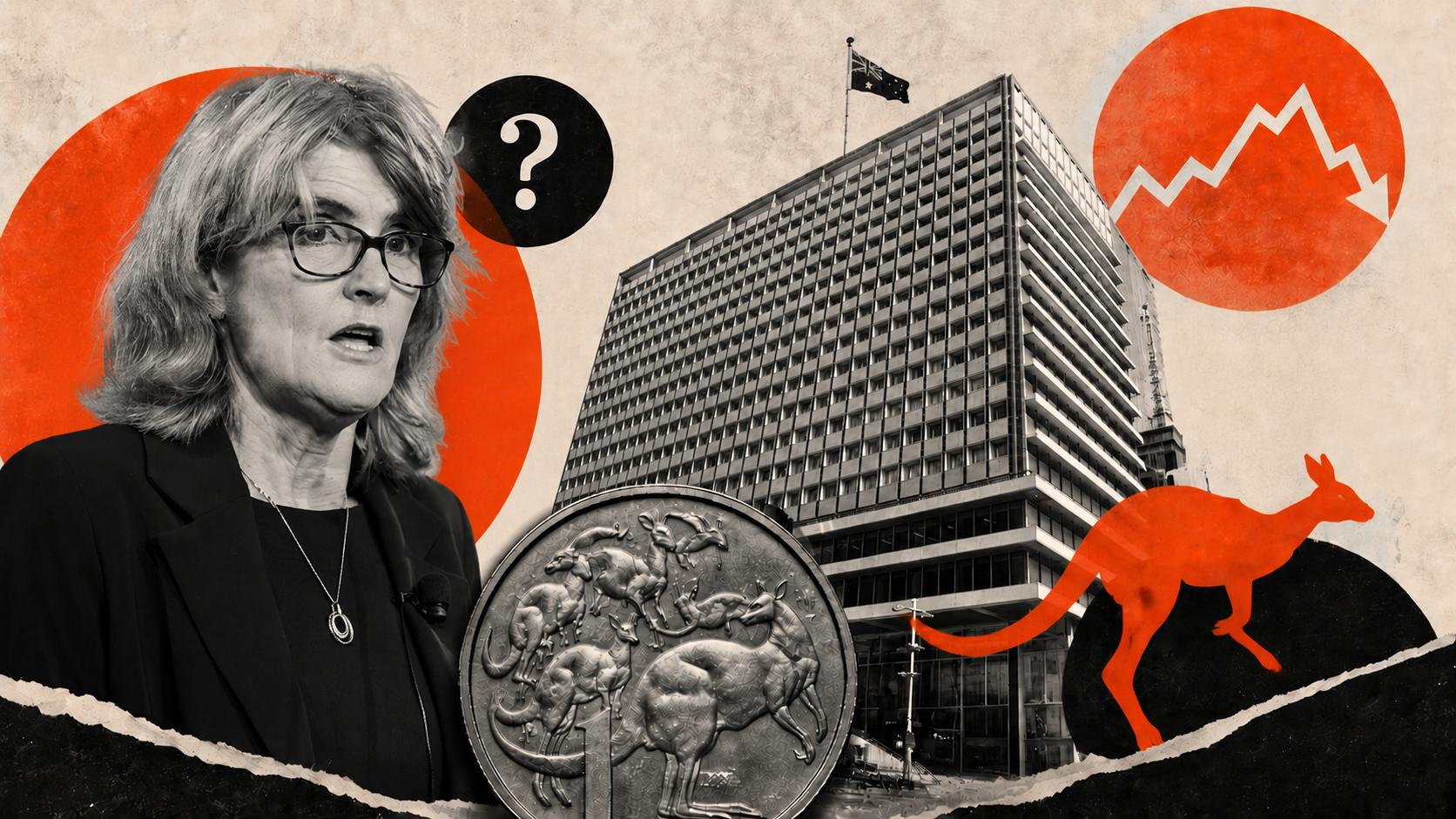
AUD/USD hits nine-week lows below 0.7000 on RBA Bullock's remarks

AUD/USD reverses a brief uptick and turns lower to hit nine-week lows below 0.7000 in the European morning on Tuesday, as traders digest cautious remarks from Reserve Bank of Australia (RBA) Governor Michele Bullock during the press conference. Earlier on, the RBA raised the cash rate to 4.60%, as widely expected, leaving the door open to further rate hikes if needed.

USD/JPY consolidates near 157.50 as a bullish USD counters intervention risks

USD/JPY struggles to capitalize on the overnight bounce from a one-week low, consolidating around 157.50 in the Asian session on Tuesday. Trump's concerns about the Japanese Yen's weakness fueled speculation about another US-Japan joint intervention. This, along with the hawkish BoJ, underpins the JPY and caps the currency pair. Meanwhile, rising Fed rate-hike bets and oil-driven inflation fears continue to push US bond yields to multi-year highs, keeping the US Dollar pinned near a two-month high and supporting the pair.

Gold regains some traction; focus remains on $4,100

Gold manages to gather some composure and bounces off recent lows near the key $4,100 mark per troy ounce on Tuesday. The move higher in the precious metal comes despite the firmer US Dollar and rising US Treasury yields across the board, while escalating geopolitical tensions appear to limit the downside potential.

Crypto Today: Bitcoin, Ethereum, XRP correct upward amid declining ETF inflows

The cryptocurrency market upholds a neutral-to-bullish bias on Tuesday, with Bitcoin edging closer to a breakout above $84,000. Altcoins mirror BTC’s outlook, with Ethereum holding above $2,700 and Ripple pushing past the reclaimed $1.50 level.

RBA recap: Rate hikes are on the table as demand stays too strong

The Reserve Bank of Australia unanimously tightened monetary policy, warning that inflation remained too high and that several upside risks had begun to materialise. Governor Michele Bullock said the Board would raise rates again if necessary.

Fed vs BoJ: Both hiked. The market only believes one of them – and the chart shows which

The Fed and the BoJ have just done something remarkably similar. Both central banks raised interest rates by 25 bps last week, both are confronting inflation risks, and both signal that future decisions will depend on incoming economic data.