Gold price remains under pressure as Fed rate-cut bets for March wane
- Gold price faces pressure as hopes for an interest rate cut by the Fed have been postponed to May.
- Fed Daly emphasized the need to calibrate interest rates moves very carefully to keep risks balanced.
- Market participants will focus on the preliminary Q4 GDP and core PCE price index data this week.
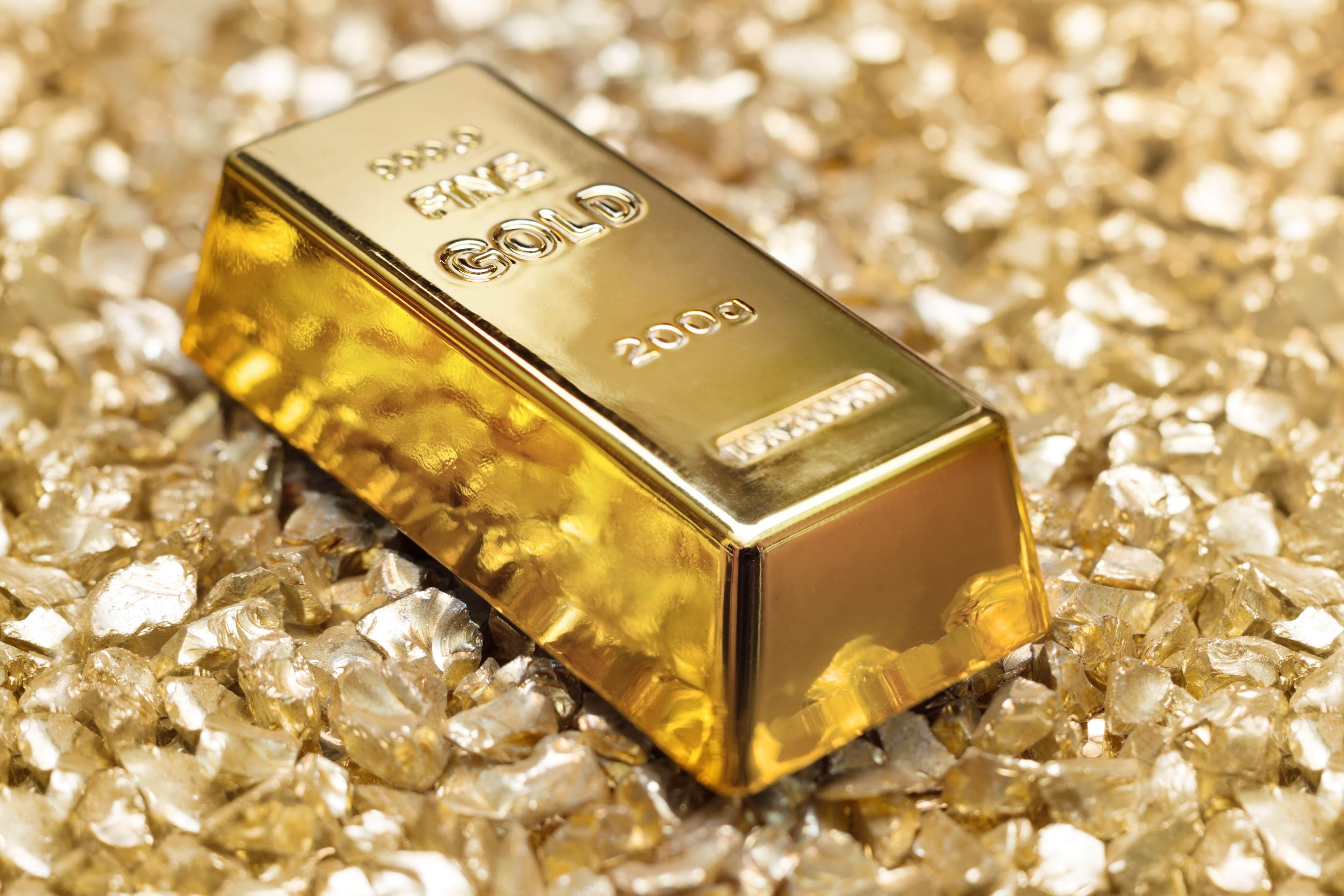
Gold price (XAU/USD) falls back on Monday as investors reconsider the outlook on interest rates by the Federal Reserve (Fed). Policymakers are consistently supporting the tight interest rates narrative to ensure the return of inflation to the 2% target in a sustainable manner. The precious metal is facing some sell-off as the prospect of imminent rate cuts fades amid still-high price pressures due to robust consumer spending and full employment conditions.
Meanwhile, the absence of fresh cues about Middle-East tensions has also trimmed the appeal for bullions. Investors should brace for a sharp volatility ahead amid a data-packed week. The US Dollar Index (DXY) hovers near the crucial support of 103.00 ahead of the release of key economic indicators such as preliminary Q4 Gross Domestic Product (GDP) data and core Personal Consumption Expenditure (PCE) price index for December.
Daily digest market movers: Gold price falls while US Dollar rebounds
- Gold price corrects to near $2,020 as investors dialed back expectations of early rate cuts by the Federal Reserve.
- Stubborn price pressures, robust consumer spending and upbeat labor market conditions have forced traders to pare bets supporting an interest rate cut decision in March.
- As per the CME Group Fedwatch tool, chances in favour of an interest rate cut by 25 basis points (bps) in March have dropped to 42%, sharply down from the 70% seen two weeks ago.
- This indicates that investors don’t expect the Fed to reduce borrowing costs before the May monetary policy meeting.
- Apart from easing rate-cut expectations, the scheduled monetary policy announcement by the European Central Bank (ECB) for this week is also capping the upside for Gold price.
- Meanwhile, Fed policymakers continued to warn last week about a rapid ‘rate-cut campaign’ as it could spoil the entire efforts yet made to bring inflation to current levels of 3.9% from a whooping high of 6.6%.
- Early reduction in interest rates could also bring an uptick in the overall demand and henceforth boost prices.
- On Friday, San Francisco Fed Bank President Mary Daly said current monetary policy is in good shape and risks towards the economy are balanced.
- Mary Daly advised to reduce interest rates very carefully, keeping in mind that the return of inflation to the 2% target should not be compromised. She said the Fed will focus on maintaining full employment this year in contrast with the agenda of ensuring price stability in 2023.
- No comments from Fed officials are expected this week as the US central bank has entered its blackout period ahead of its meeting on January 31.
- This week, market participants will focus on the preliminary S&P Global PMIs for January, preliminary Q4 GDP data, and core PCE price index for December. Upbeat economic data would further squeeze expectations of a rate cut in March.
Technical Analysis: Gold price faces pressure near 20-day EMA
Gold price drops gradually to near $2,020 as bets supporting a rate-cut decision by the Fed in March have eased significantly. The precious metal struggles to regain traction as the 20-day Exponential Moving Average (EMA) around $2,031 is consistently acting as a barricade for bulls. Going forward, a sideways performance is highly likely as investors await the crucial economic data due later this week, which is expected to provide a fresh outlook on inflation and the interest rate outlook.
Gold FAQs
Why do people invest in Gold?
Gold has played a key role in human’s history as it has been widely used as a store of value and medium of exchange. Currently, apart from its shine and usage for jewelry, the precious metal is widely seen as a safe-haven asset, meaning that it is considered a good investment during turbulent times. Gold is also widely seen as a hedge against inflation and against depreciating currencies as it doesn’t rely on any specific issuer or government.
Who buys the most Gold?
Central banks are the biggest Gold holders. In their aim to support their currencies in turbulent times, central banks tend to diversify their reserves and buy Gold to improve the perceived strength of the economy and the currency. High Gold reserves can be a source of trust for a country’s solvency. Central banks added 1,136 tonnes of Gold worth around $70 billion to their reserves in 2022, according to data from the World Gold Council. This is the highest yearly purchase since records began. Central banks from emerging economies such as China, India and Turkey are quickly increasing their Gold reserves.
How is Gold correlated with other assets?
Gold has an inverse correlation with the US Dollar and US Treasuries, which are both major reserve and safe-haven assets. When the Dollar depreciates, Gold tends to rise, enabling investors and central banks to diversify their assets in turbulent times. Gold is also inversely correlated with risk assets. A rally in the stock market tends to weaken Gold price, while sell-offs in riskier markets tend to favor the precious metal.
What does the price of Gold depend on?
The price can move due to a wide range of factors. Geopolitical instability or fears of a deep recession can quickly make Gold price escalate due to its safe-haven status. As a yield-less asset, Gold tends to rise with lower interest rates, while higher cost of money usually weighs down on the yellow metal. Still, most moves depend on how the US Dollar (USD) behaves as the asset is priced in dollars (XAU/USD). A strong Dollar tends to keep the price of Gold controlled, whereas a weaker Dollar is likely to push Gold prices up.
Author

Sagar Dua
FXStreet
Sagar Dua is associated with the financial markets from his college days. Along with pursuing post-graduation in Commerce in 2014, he started his markets training with chart analysis.