GBP/USD's correction's life-line jeopardize by US NFP beat
- Nonfarm Payrolls beat expectations and supports the US dollar, weighing on an already damaged pound.
- GBP/USD remains better offered on the outcome as markets weigh the central bank divergences.

US September Nonfarm Payrolls arrived as +531K vs. the expected +425K and weighs on cable. GBP/USD has been on the back foot ever since the Bank of England disappointed markets with a surprise hold and today's Nonfarm Payrolls have potentially hammered the nail in the proverbial coffin. On the release of the numbers, GBP/USD is slightly offered, down some 0.40% on the day so far, travelling from a high of 1.3509 to a low of 1.3424.
Prior to today's jobs data, Initial Claims came in at 269k vs. 275k and a revised 283k (was 281k) the previous week, while continuing claims came in at 2.105 mln vs. 2.150 mln and a revised 2.239 mln (was 2.243 mln) the previous week.
The US dollar was heading for a second straight week of gains versus major peers on Friday ahead of this key US jobs report after a string of central banks this week pushed back against a faster tightening of monetary policy.
Consequently, the greenback is better-bid, currently higher by 0.20% according to the dollar index, DXY, which measures the greenback against a basket of six rivals. Prior to the data, the index had already strengthened nearly 1% over the past fortnight and consolidated its gains on Friday. It stands at 94.50 at the time of writing, having moved up from a low of 94.279 to a high of 94.620 so far.
Meanwhile, the Bank of England's decision on Thursday had already forced traders to abandon it, consequently sending the currency to its biggest one-day fall in more than 18 months by as much as 1.6% on the central bank's decision.
GBP/USD technical analysis
Prior to the data, GBP/USD had already corrected a significant portion of the latest bearish impulse to a 38.2% Fibonacci retracement level as follows:
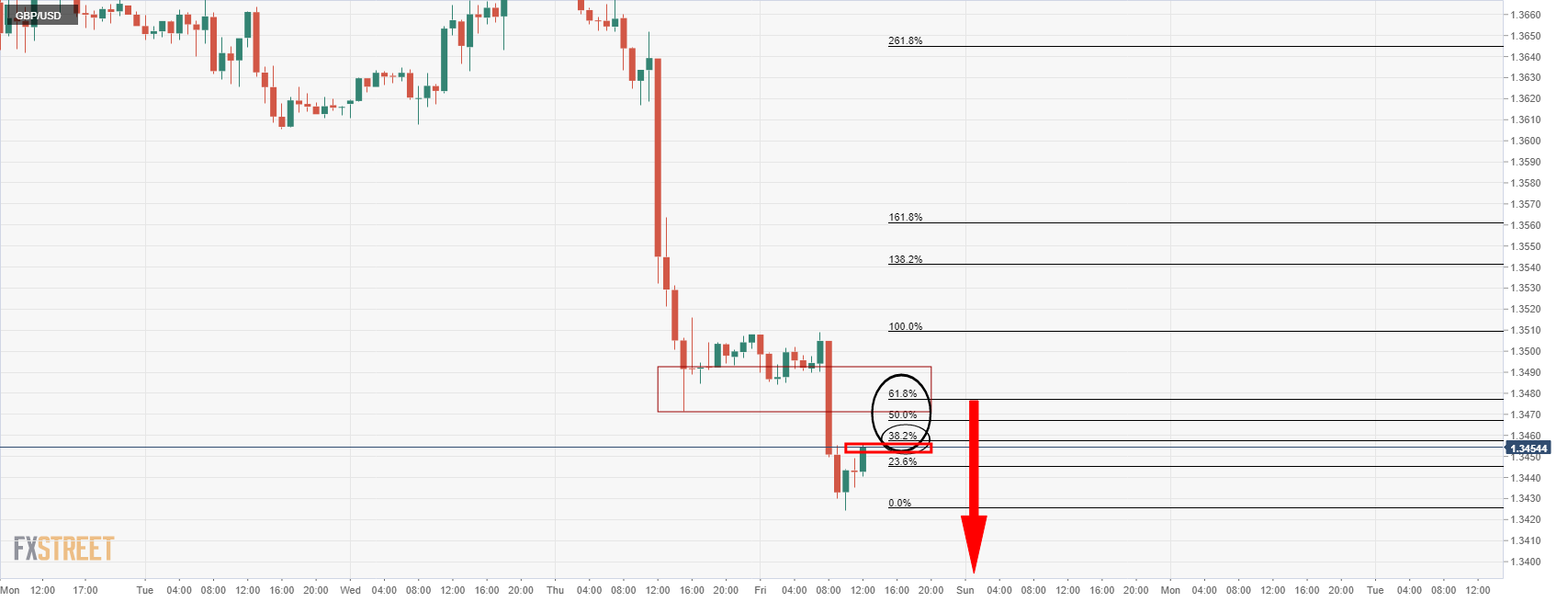
Following the data, the price is yet to react significantly, but the 38.2% Fibo would now be expected to remain a tough nut to crack.
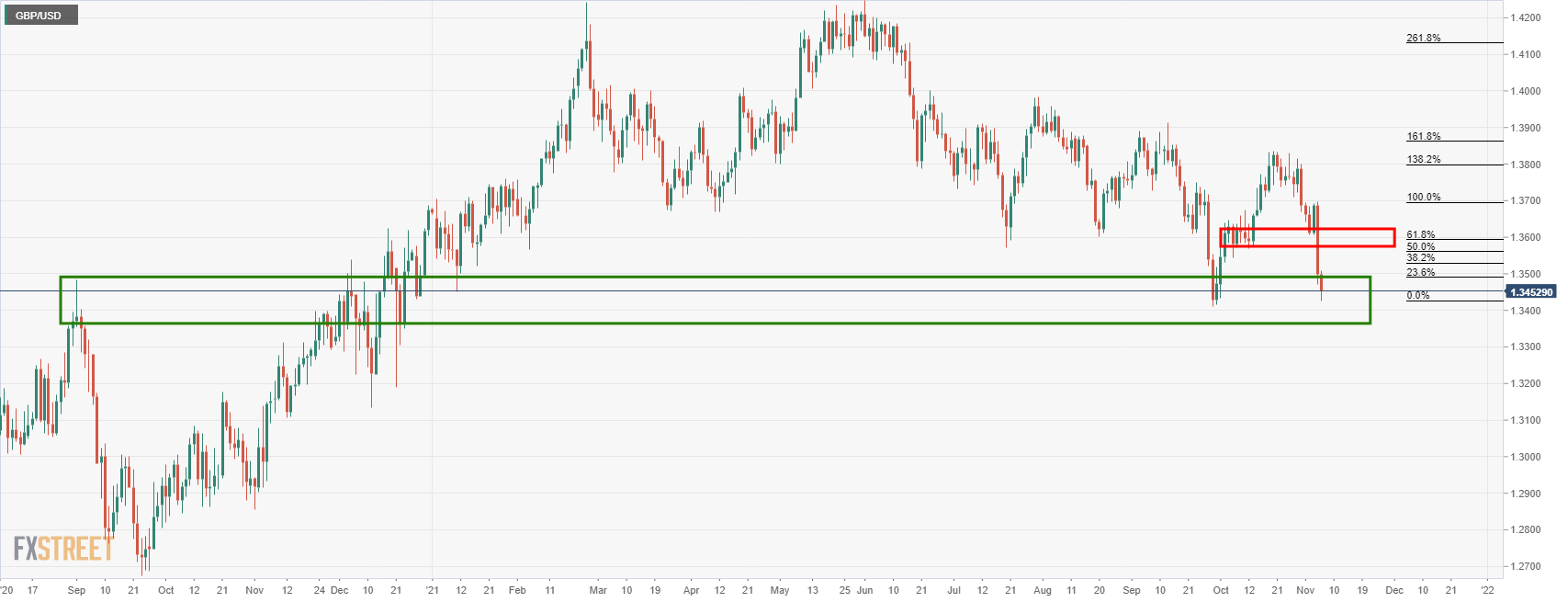
Overall, however, GBP/USD is meeting a longer-term demand area and it will take some doing to break before a healthy correction will prevail, leaving the 1.3580s exposed.
Author

Ross J Burland
FXStreet
Ross J Burland, born in England, UK, is a sportsman at heart. He played Rugby and Judo for his county, Kent and the South East of England Rugby team.