GBP/USD falls as cautious Fed beats back investor sentiment
- GBP/USD sank following the Fed's latest rate call, slipping below 1.3250.
- Fed Chair Jerome Powell tempered rate cut hopes, sending the US Dollar higher.
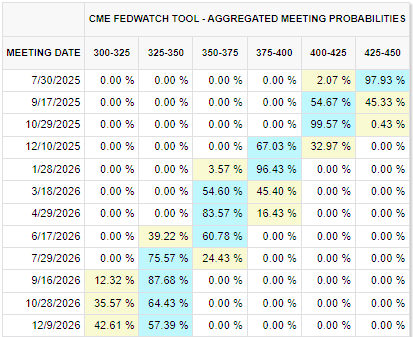
- Odds of a second rate cut in October fell off the bottom of the charts as Fed awaits tariff impacts.

GBP/USD sank after the Federal Reserve's (Fed) latest interest rate call. The Fed held interest rates steady on Wednesday, as expected by the markets. However, a cautious Fed Chair Jerome Powell noted that inflation risks continue to hang over policymakers, and the Fed remains concerned that inflationary impacts still loom ahead, crimping odds of extra rate cuts through the remainder of this year.
Fed Chair Powell tamped down on expectations of immediate rate cuts, noting that despite the progress the Fed has made on inflation thus far, sticky price issues still remain. Fed policymakers are poised to wait for two additional rounds of both inflation and labor data before making a final decision to cut interest rates in September, cooling market hopes for a near-term rate cut.
Read more Fed rate call news: Powell says we have made no decisions about September
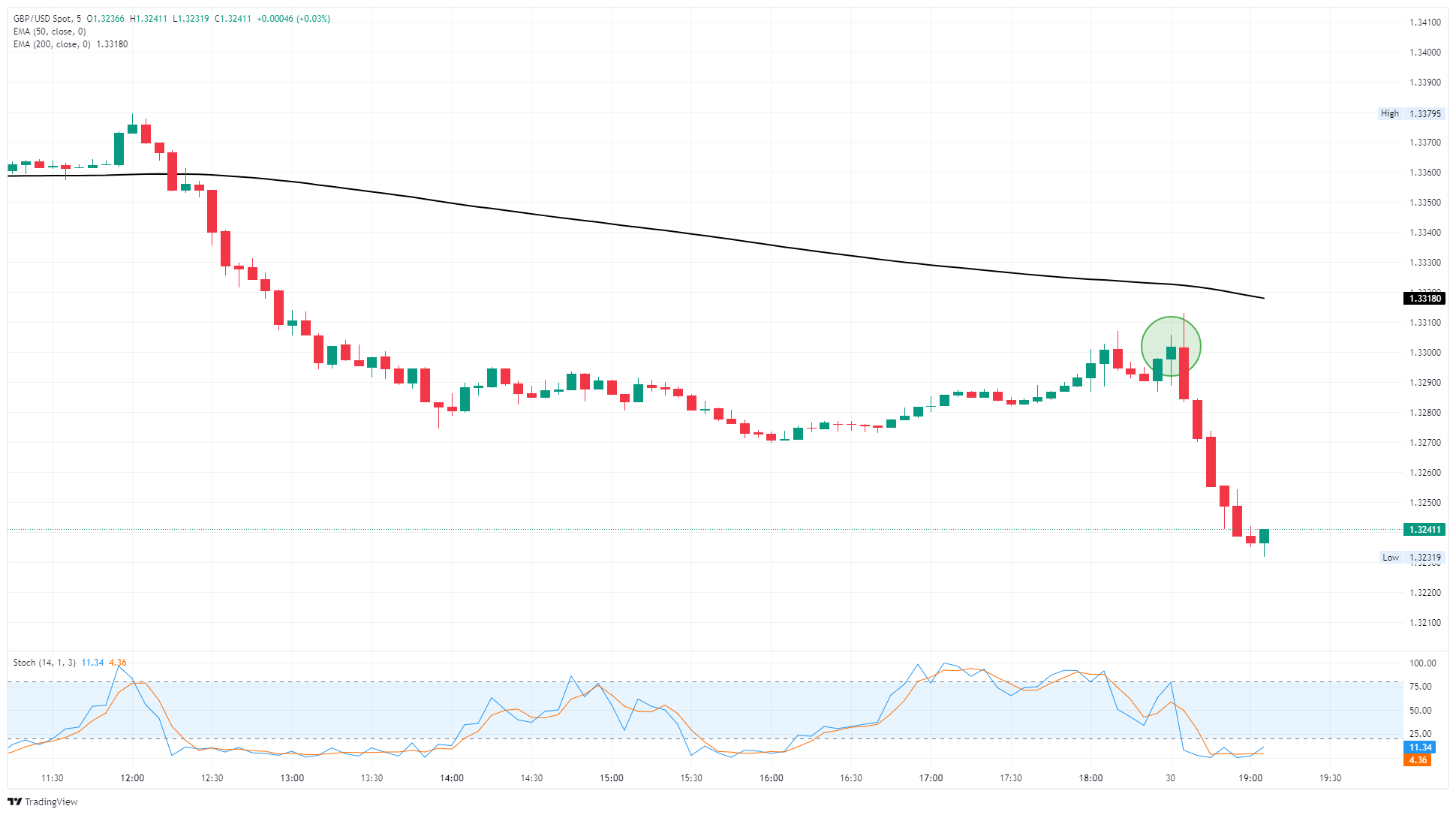
GBP/USD 5-minute chart
Interest rates FAQs
Interest rates are charged by financial institutions on loans to borrowers and are paid as interest to savers and depositors. They are influenced by base lending rates, which are set by central banks in response to changes in the economy. Central banks normally have a mandate to ensure price stability, which in most cases means targeting a core inflation rate of around 2%. If inflation falls below target the central bank may cut base lending rates, with a view to stimulating lending and boosting the economy. If inflation rises substantially above 2% it normally results in the central bank raising base lending rates in an attempt to lower inflation.
Higher interest rates generally help strengthen a country’s currency as they make it a more attractive place for global investors to park their money.
Higher interest rates overall weigh on the price of Gold because they increase the opportunity cost of holding Gold instead of investing in an interest-bearing asset or placing cash in the bank. If interest rates are high that usually pushes up the price of the US Dollar (USD), and since Gold is priced in Dollars, this has the effect of lowering the price of Gold.
The Fed funds rate is the overnight rate at which US banks lend to each other. It is the oft-quoted headline rate set by the Federal Reserve at its FOMC meetings. It is set as a range, for example 4.75%-5.00%, though the upper limit (in that case 5.00%) is the quoted figure. Market expectations for future Fed funds rate are tracked by the CME FedWatch tool, which shapes how many financial markets behave in anticipation of future Federal Reserve monetary policy decisions.
Author

Joshua Gibson
FXStreet
Joshua joins the FXStreet team as an Economics and Finance double major from Vancouver Island University with twelve years' experience as an independent trader focusing on technical analysis.