Forex Today: All eyes on Fed, BoC rate decisions, Gold rises beyond $5,200

Here is what you need to know on Wednesday, January 28:
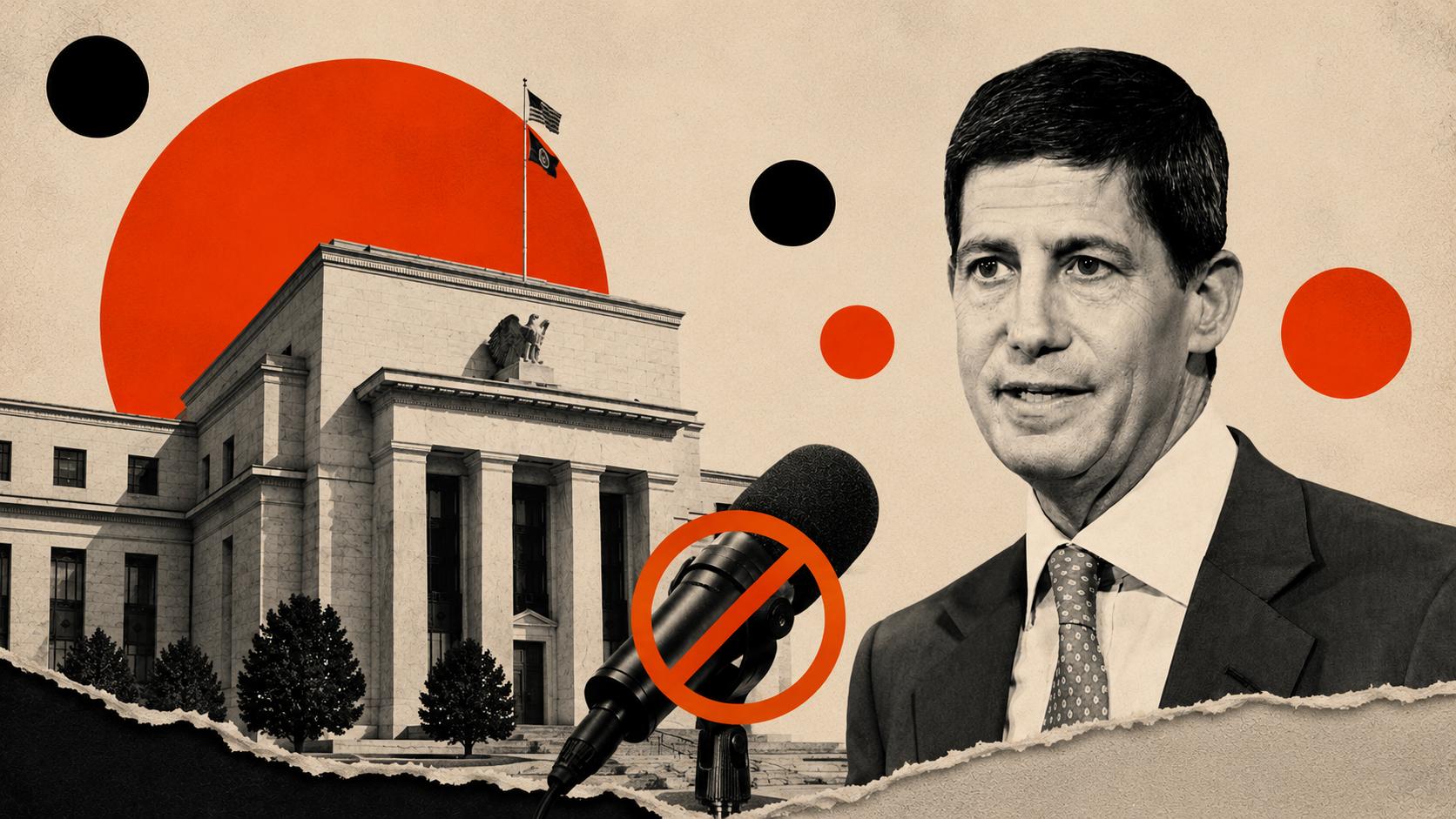
The US Dollar (USD) rebounded from a four-year low to above 96.00 heading into the European trading session. Markets might turn cautious ahead of the US Federal Reserve (Fed) interest rate decision later on Wednesday, with no change in rates expected. Traders will also closely watch Fed Chair Jerome Powell’s remarks at the press conference for more cues regarding future monetary policy.
US Dollar Price Today
The table below shows the percentage change of US Dollar (USD) against listed major currencies today. US Dollar was the strongest against the Swiss Franc.
| USD | EUR | GBP | JPY | CAD | AUD | NZD | CHF | |
|---|---|---|---|---|---|---|---|---|
| USD | 0.20% | 0.17% | 0.15% | -0.01% | -0.04% | 0.19% | 0.29% | |
| EUR | -0.20% | -0.03% | -0.07% | -0.22% | -0.24% | -0.01% | 0.09% | |
| GBP | -0.17% | 0.03% | -0.02% | -0.18% | -0.21% | 0.02% | 0.12% | |
| JPY | -0.15% | 0.07% | 0.02% | -0.15% | -0.19% | 0.03% | 0.15% | |
| CAD | 0.00% | 0.22% | 0.18% | 0.15% | -0.03% | 0.20% | 0.30% | |
| AUD | 0.04% | 0.24% | 0.21% | 0.19% | 0.03% | 0.23% | 0.32% | |
| NZD | -0.19% | 0.00% | -0.02% | -0.03% | -0.20% | -0.23% | 0.09% | |
| CHF | -0.29% | -0.09% | -0.12% | -0.15% | -0.30% | -0.32% | -0.09% |
The heat map shows percentage changes of major currencies against each other. The base currency is picked from the left column, while the quote currency is picked from the top row. For example, if you pick the US Dollar from the left column and move along the horizontal line to the Japanese Yen, the percentage change displayed in the box will represent USD (base)/JPY (quote).
US President Donald Trump said on Tuesday that the value of the USD is great when asked whether he thought it had declined too much. Trump further stated that he will announce his pick for the new Fed Chair soon and interest rates will be lower with the US central bank under new leadership.
The latest data published by the Australian Bureau of Statistics (ABS) showed on Wednesday that Australia’s Consumer Price Index (CPI) inflation rose to 3.8% year-over-year (YoY) in December from a 3.4% increase reported in November. This figure came in hotter than the expectations of 3.6%. Meanwhile, the monthly Consumer Price Index climbed 1.0% in December, compared to the previous reading of 0%, above the market consensus of 0.7%.
AUD/USD trades near a three-year high above 0.7000. The rally of the Australian Dollar is bolstered by stronger-than-expected Australian inflation data, which boosts expectations of a Reserve Bank of Australia (RBA) interest rate hike.
USD/JPY holds positive ground near 152.70 on Wednesday. Japan’s fiscal health stays in focus as Prime Minister Sanae Takaichi pushes aggressive spending and tax-cut plans.
Minutes from the Bank of Japan's (BoJ) December meeting showed a growing consensus among board members to continue raising interest rates if economic and price forecasts are met.
EUR/USD softens below 1.1200, retracing from a five-year high amid renewed USD demand. European Central Bank (ECB) policymaker Piero Cipollone said early Wednesday, “The European economy has been proven resilient and we expect data that could top our forecasts.”
GBP/USD currently trades around 1.3810 after pulling back from four-year highs. The stronger-than-expected UK Retail Sales and Purchasing Managers’ Index (PMI) data might delay potential Bank of England rate cuts and cap the downside for the Pound Sterling.
USD/CAD remains on the defensive around 1.3575 as higher crude oil prices support the commodity-linked Canadian Dollar (CAD). The Bank of Canada (BoC) is widely anticipated to hold its key interest rate steady at 2.25% at its January meeting on Wednesday as inflation remains within the target range.
Gold climbs beyond $5,200 in the Asian session on Wednesday, marking an eighth consecutive day of gains, while Silver extends the rally to near $114.25. Geopolitical uncertainty and expectations of Fed interest rate cuts are pushing traders toward precious metals.
(This story was corrected on January 28 at 07:35 GMT to say that Australia’s CPI inflation rose to 3.8% YoY in December, not 3.6%.)
Fed FAQs
Monetary policy in the US is shaped by the Federal Reserve (Fed). The Fed has two mandates: to achieve price stability and foster full employment. Its primary tool to achieve these goals is by adjusting interest rates. When prices are rising too quickly and inflation is above the Fed’s 2% target, it raises interest rates, increasing borrowing costs throughout the economy. This results in a stronger US Dollar (USD) as it makes the US a more attractive place for international investors to park their money. When inflation falls below 2% or the Unemployment Rate is too high, the Fed may lower interest rates to encourage borrowing, which weighs on the Greenback.
The Federal Reserve (Fed) holds eight policy meetings a year, where the Federal Open Market Committee (FOMC) assesses economic conditions and makes monetary policy decisions. The FOMC is attended by twelve Fed officials – the seven members of the Board of Governors, the president of the Federal Reserve Bank of New York, and four of the remaining eleven regional Reserve Bank presidents, who serve one-year terms on a rotating basis.
In extreme situations, the Federal Reserve may resort to a policy named Quantitative Easing (QE). QE is the process by which the Fed substantially increases the flow of credit in a stuck financial system. It is a non-standard policy measure used during crises or when inflation is extremely low. It was the Fed’s weapon of choice during the Great Financial Crisis in 2008. It involves the Fed printing more Dollars and using them to buy high grade bonds from financial institutions. QE usually weakens the US Dollar.
Quantitative tightening (QT) is the reverse process of QE, whereby the Federal Reserve stops buying bonds from financial institutions and does not reinvest the principal from the bonds it holds maturing, to purchase new bonds. It is usually positive for the value of the US Dollar.
Author

Lallalit Srijandorn
FXStreet
Lallalit Srijandorn is a Parisian at heart. She has lived in France since 2019 and now becomes a digital entrepreneur based in Paris and Bangkok.