Fed's Goolsbee: Rates can come down, but need to see services inflation progress
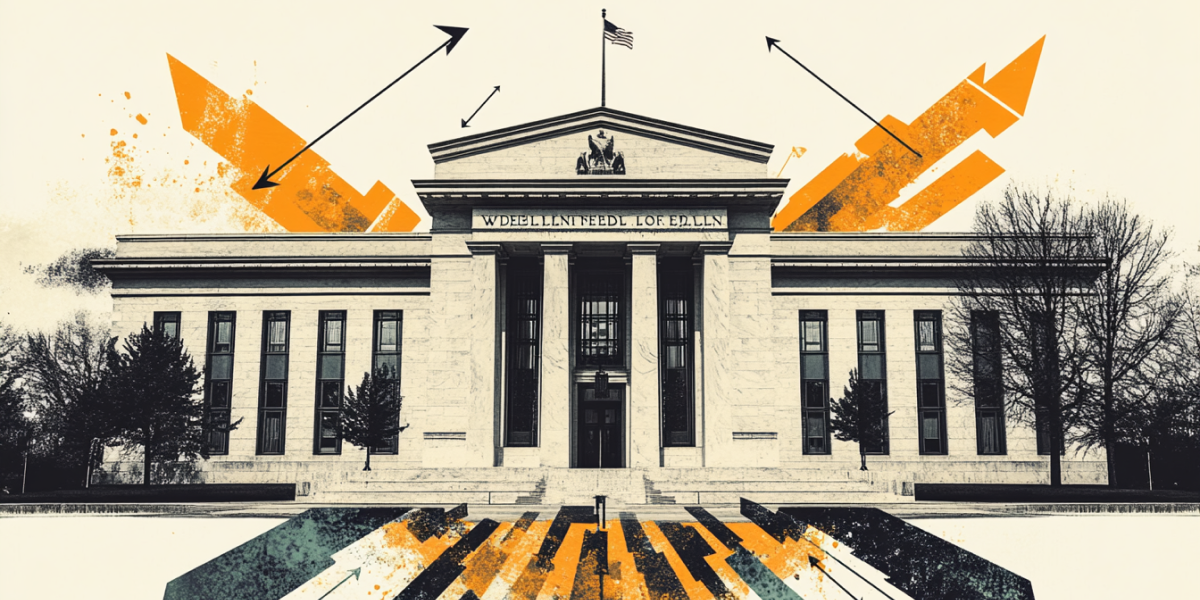
Federal Reserve (Fed) Bank of Chicago President Austan Goolsbee noted on Friday during an interview with Yahoo Finance that although interest rates are poised to come down further, moves on policy rates are contingent on further taming of services inflation.
Key highlights
- CPI data had some encouraging bits, and some concerns.
- We're still seeing pretty-high services inflation.
- I hope we've seen the peak impact of tariffs.
- Strong January job data hopefully a sign of stability. Job market has been steady and only modest cooling.
- I think interest rates can still go down a fair bit more.
- We just need to see the progress on inflation.
- Rates can still go down but need to see progress on inflation.
- The strongest thing in the economy is the US consumer.
- Consumers should hold on if job market stable and inflation eases.
- I'm still wary. Services inflation is not tamed.
- Services inflation well above target is danger sign. I want to get more information before frontloading cuts.
- I don't know how restrictive Fed policy is. I still think it would've been wiser in December to wait.
- We need to see improvement in inflation. I expect to see progress.
- If we're at 2% inflation, we can have several more cuts.
Inflation FAQs
Inflation measures the rise in the price of a representative basket of goods and services. Headline inflation is usually expressed as a percentage change on a month-on-month (MoM) and year-on-year (YoY) basis. Core inflation excludes more volatile elements such as food and fuel which can fluctuate because of geopolitical and seasonal factors. Core inflation is the figure economists focus on and is the level targeted by central banks, which are mandated to keep inflation at a manageable level, usually around 2%.
The Consumer Price Index (CPI) measures the change in prices of a basket of goods and services over a period of time. It is usually expressed as a percentage change on a month-on-month (MoM) and year-on-year (YoY) basis. Core CPI is the figure targeted by central banks as it excludes volatile food and fuel inputs. When Core CPI rises above 2% it usually results in higher interest rates and vice versa when it falls below 2%. Since higher interest rates are positive for a currency, higher inflation usually results in a stronger currency. The opposite is true when inflation falls.
Although it may seem counter-intuitive, high inflation in a country pushes up the value of its currency and vice versa for lower inflation. This is because the central bank will normally raise interest rates to combat the higher inflation, which attract more global capital inflows from investors looking for a lucrative place to park their money.
Formerly, Gold was the asset investors turned to in times of high inflation because it preserved its value, and whilst investors will often still buy Gold for its safe-haven properties in times of extreme market turmoil, this is not the case most of the time. This is because when inflation is high, central banks will put up interest rates to combat it. Higher interest rates are negative for Gold because they increase the opportunity-cost of holding Gold vis-a-vis an interest-bearing asset or placing the money in a cash deposit account. On the flipside, lower inflation tends to be positive for Gold as it brings interest rates down, making the bright metal a more viable investment alternative.
Author

Joshua Gibson
FXStreet
Joshua joins the FXStreet team as an Economics and Finance double major from Vancouver Island University with twelve years' experience as an independent trader focusing on technical analysis.