Fed’s Daly: Fed needs to cut policy rate because inflation is falling, economy is slowing
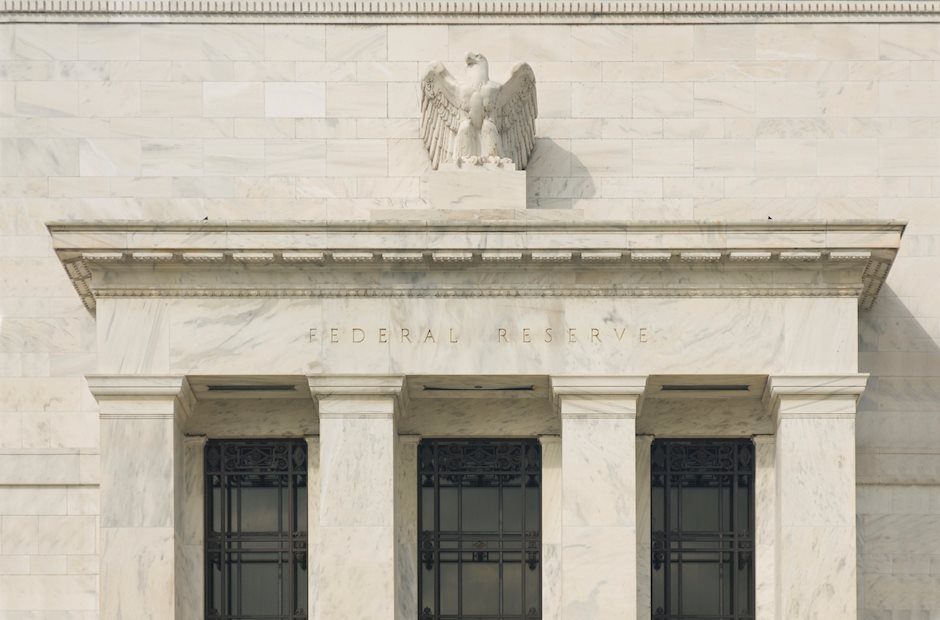

On Thursday, San Francisco Federal Reserve President Mary Daly said that the “Fed needs to cut policy rate because inflation is falling and the economy is slowing.”
Additional comments
On size of Sept Fed rate cut, 'we don't know yet'.
Need more data, including friday's job market report and CPI
Fed must calibrate policy to the evolving economy.
Labor market has softened but still healthy, and that 'has to be sustained and protected'.
Hard to find evidence that labor market is faltering.
Overly tight policy could mean additional, unwelcome labor market slowing.
We have not restored price stability; inflation is still people's number one concern.
Businesses are being 'frugal' on hiring, but not yet 'dusting off their layoff manuals'.
We are at an inflection point in the economy, and data will be volatile.
Fed can take aggressive action when outlook is clear, but current outlook is uncertain.
Market reaction
The US Dollar has come under renewed selling pressure aganst its major rivals following these comments, with the US Dollar Index (DXY) losing 0.08% on the day to currently trade near 101.30.
Fed FAQs
Monetary policy in the US is shaped by the Federal Reserve (Fed). The Fed has two mandates: to achieve price stability and foster full employment. Its primary tool to achieve these goals is by adjusting interest rates. When prices are rising too quickly and inflation is above the Fed’s 2% target, it raises interest rates, increasing borrowing costs throughout the economy. This results in a stronger US Dollar (USD) as it makes the US a more attractive place for international investors to park their money. When inflation falls below 2% or the Unemployment Rate is too high, the Fed may lower interest rates to encourage borrowing, which weighs on the Greenback.
The Federal Reserve (Fed) holds eight policy meetings a year, where the Federal Open Market Committee (FOMC) assesses economic conditions and makes monetary policy decisions. The FOMC is attended by twelve Fed officials – the seven members of the Board of Governors, the president of the Federal Reserve Bank of New York, and four of the remaining eleven regional Reserve Bank presidents, who serve one-year terms on a rotating basis.
In extreme situations, the Federal Reserve may resort to a policy named Quantitative Easing (QE). QE is the process by which the Fed substantially increases the flow of credit in a stuck financial system. It is a non-standard policy measure used during crises or when inflation is extremely low. It was the Fed’s weapon of choice during the Great Financial Crisis in 2008. It involves the Fed printing more Dollars and using them to buy high grade bonds from financial institutions. QE usually weakens the US Dollar.
Quantitative tightening (QT) is the reverse process of QE, whereby the Federal Reserve stops buying bonds from financial institutions and does not reinvest the principal from the bonds it holds maturing, to purchase new bonds. It is usually positive for the value of the US Dollar.
Author
Dhwani Mehta
FXStreet
Residing in Mumbai (India), Dhwani is a Senior Analyst and Manager of the Asian session at FXStreet. She has over 10 years of experience in analyzing and covering the global financial markets, with specialization in Forex and commodities markets.