|

Fed: “Normalizing” the balance sheet - Nomura
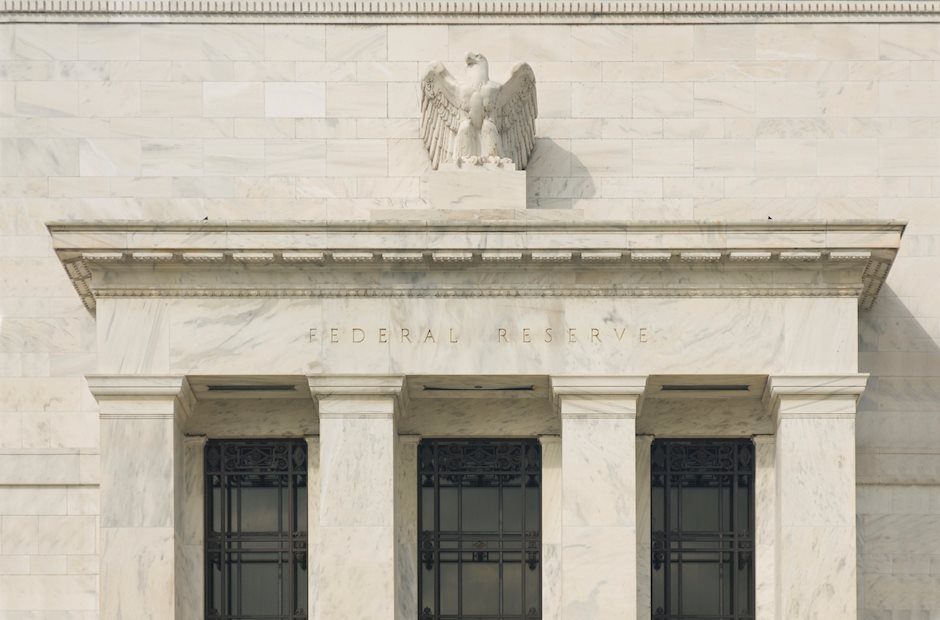
When the Federal Reserve began its large scale asset purchases in late 2008 they set a course without knowing where it would take them and they did not know that emergency asset purchases in the midst of a historic financial crisis would extend into a means of providing monetary stimulus once the financial stress had dissipated, explains the analysis team at Nomura.

Key Quotes

“They did not know that it would take almost nine years just to start the process of unwinding those policies. They did not know that paying interest on an elevated level of reserves would not be able to provide a floor for short-term interest rates. They did not know how financial regulations would change and how those changes would affect how monetary policy works. Most importantly, they did not know how their policies would affect financial markets and ultimately the economy, particularly beyond the immediate future.” 

“In many ways, the FOMC is about to do this again. The FOMC has laid out its plans for how the process of balance sheet adjustment will begin, and how it will proceed in its initial stages. However, after the FOMC meeting in June, Chair Yellen said quite explicitly that they expect to begin the process of reducing their balance sheet without knowing where the process will end. Given the breadth of issues at stake and the inherent uncertainties, that may be all the FOMC can do. After all, the policymakers that complete the process of normalizing the Federal Reserve’s balance sheet will not be the ones who started the process.” 

Author

Sandeep Kanihama

Sandeep Kanihama

FXStreet Contributor

Sandeep Kanihama is an FX Editor and Analyst with FXstreet having principally focus area on Asia and European markets with commodity, currency and equities coverage. He is stationed in the Indian capital city of Delhi.


More from Sandeep Kanihama
Share:

Markets move fast. We move first.

Orange Juice Newsletter brings you expert driven insights - not headlines. Every day on your inbox.

By subscribing you agree to our Terms and conditions.

Editor's Picks

EUR/USD drops to daily lows near 1.1630

EUR/USD now loses some traction and slips back to the area of daily lows around 1.1630 on the back of a mild bounce in the US Dollar. Fresh US data, including the September PCE inflation numbers and the latest read on December consumer sentiment, didn’t really move the needle, so the pair is still on course to finish the week with a respectable gain.

GBP/USD trims gains, recedes toward 1.3320

GBP/USD is struggling to keep its daily advance, coming under fresh pressure and retreating to the 1.3320 zone following a mild bullish attempt in the Greenback. Even though US consumer sentiment surprised to the upside, the US Dollar isn’t getting much love, as traders are far more interested in what the Fed will say next week.

Gold makes a U-turn, back to $4,200

Gold is now losing the grip and receding to the key $4,200 region per troy ounce following some signs of life in the Greenback and a marked bounce in US Treasury yields across the board. The positive outlook for the precious metal, however, remains underpinned by steady bets for extra easing by the Fed.

Crypto Today: Bitcoin, Ethereum, XRP pare gains despite increasing hopes of upcoming Fed rate cut

Bitcoin is steadying above $91,000 at the time of writing on Friday. Ethereum remains above $3,100, reflecting positive sentiment ahead of the Federal Reserve's (Fed) monetary policy meeting on December 10.

Week ahead – Rate cut or market shock? The Fed decides

Fed rate cut widely expected; dot plot and overall meeting rhetoric also matter. Risk appetite is supported by Fed rate cut expectations; cryptos show signs of life. RBA, BoC and SNB also meet; chances of surprises are relatively low.

Ripple faces persistent bear risks, shrugging off ETF inflows

Ripple is extending its decline for the second consecutive day, trading at $2.06 at the time of writing on Friday. Sentiment surrounding the cross-border remittance token continues to lag despite steady inflows into XRP spot ETFs.