Fed: Do oil and stocks matter? - Wells Fargo
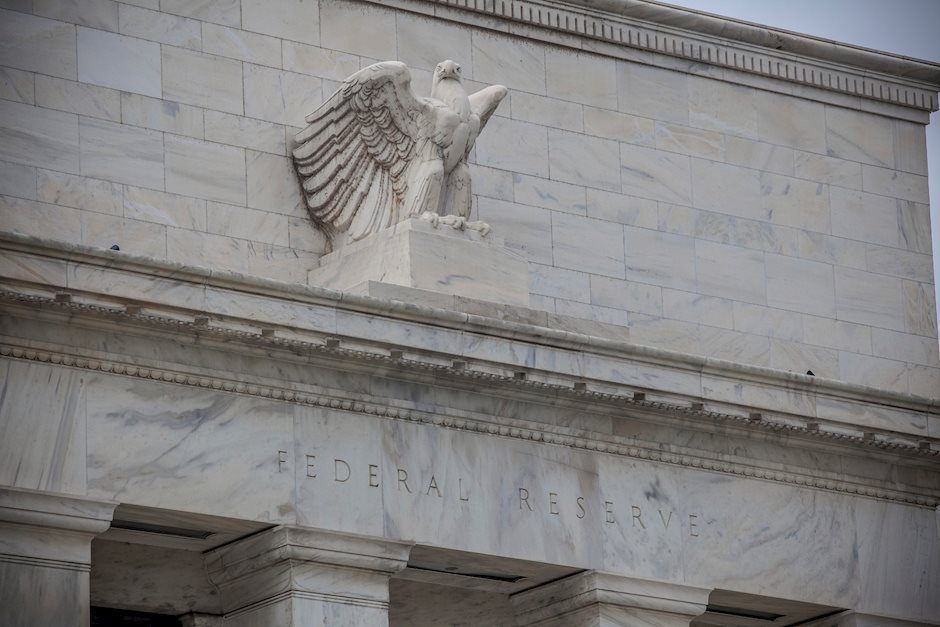

Equity prices in Wall Street dropped recently and crude oil prices tumbled last week, adding to previous losses. According to analysts from Wells Fargo, unless the core rate of inflation recedes, however, the Federal Reserve will probably tighten further, at least in the foreseeable future.
Key Quotes:
“Will the Federal Open Market Committee (FOMC) hike further if the stock market goes further south? FOMC policymakers do not care much about the stock market, per se. Rather, the Federal Reserve has two objectives: “full employment” and “price stability.” To the extent that the value of the stock market affects those two variables, then the FOMC may change course. But as of this writing, the S&P 500 index is down only 7% or so from its peak in September. In our view, the decline in the stock market to date is not large enough to have a meaningful effect on the Fed’s two primary objectives. In other words, the FOMC probably won’t deviate from its publicly communicated tightening path, unless the downdraft in the stock market becomes much deeper.”
“This significant decline in oil prices likely will pull the overall rate of consumer price inflation lower in coming months which, conceivably, could threaten the Fed’s objective of “price stability.”
“However, the FOMC is likely to look through any near-term decline in the overall rate of PCE inflation. Unless the recent swoon in oil prices pulls down the core rate of PCE inflation, which excludes food and energy prices, then the FOMC will probably continue to hike rates, albeit at a gradual rate.”
“Unless the core PCE inflation rate recedes, the FOMC likely will continue on its path of gradual tightening, at least for the foreseeable future.”
Author
Matías Salord
FXStreet
Matías started in financial markets in 2008, after graduating in Economics. He was trained in chart analysis and then became an educator. He also studied Journalism. He started writing analyses for specialized websites before joining FXStreet.