|
ECB's Lagarde: Inflation expectations do not point to risks of prolonged overshooting
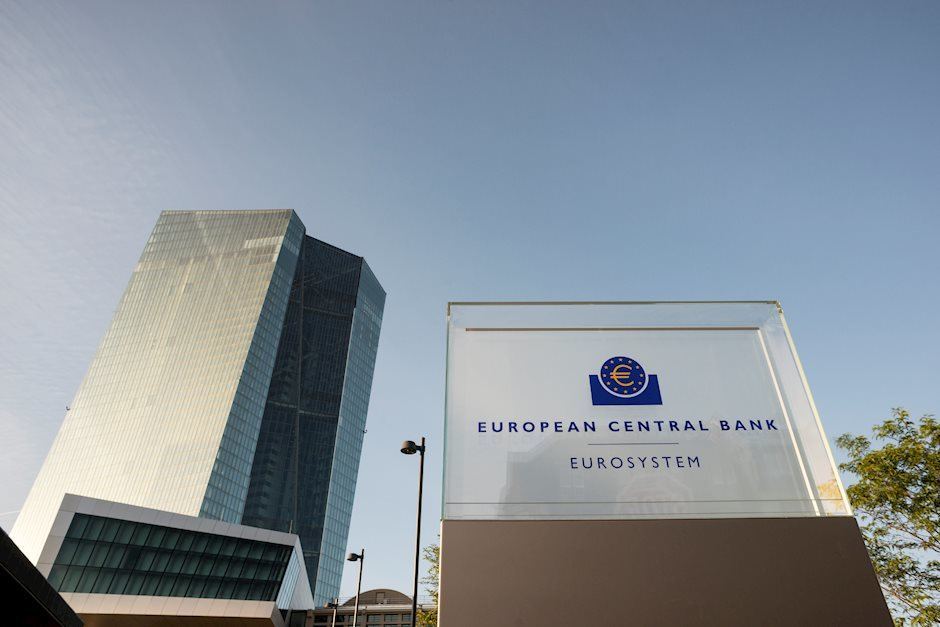

The European Central Bank (ECB) President Christine Lagarde, speaking at a forum this Tuesday, said that we will only react to improvements in headline inflation that we are confident are durable.
Key quotes:
- There is a risk that higher carbon pricing might reduce purchasing power and lead to relative price changes that push down underlying inflation.
- We still need an accommodative monetary policy stance to exit the pandemic safely and bring inflation sustainably back to 2%.
- The key challenge is to ensure that we do not overreact to transitory supply shocks that have no bearing on the medium term.
- The typical nature of the recovery is creating frictions in the economy, which can produce opposing effects on growth and inflation.
- Once these pandemic-driven effects pass, we expect inflation to decline.
- We expect to see further progress toward an even tighter alignment between the expected time of lift-off for our policy rates and the most likely inflation outlook
- Monetary policy should normally “look through” temporary supply-driven inflation.
- We are monitoring developments carefully but, for now, we see no signs that this increase in inflation is becoming broad-based across the economy.
- Once the pandemic emergency comes to an end, our forward guidance on rates, as well as purchases under the asset purchase programme, will ensure that monetary policy remains supportive.
- Inflation expectations also do not point to risks of prolonged overshooting.
- Monetary policy must remain focused on steering the economy safely out of the pandemic emergency and lifting inflation sustainably towards our 2% target.
- Looking beyond the pandemic, we expect inflation to only slowly converge towards 2%.
Market reaction:
The comments did little to provide any impetus to the shared currency or lend any support to the EUR/USD pair, which remained depressed near below the 1.1700 mark amid stronger USD.
Author
Haresh Menghani
FXStreet
Haresh Menghani is a detail-oriented professional with 10+ years of extensive experience in analysing the global financial markets.
More from Haresh Menghani