Dalian iron ore slumps to late March lows on demand concerns from China
- Iron ore futures in China drop over 4.0%, down for the second consecutive week.
- Pollution control, covid woes weigh on the metal prices.
- AUD/USD cheers USD pullback but bears remain hopeful.
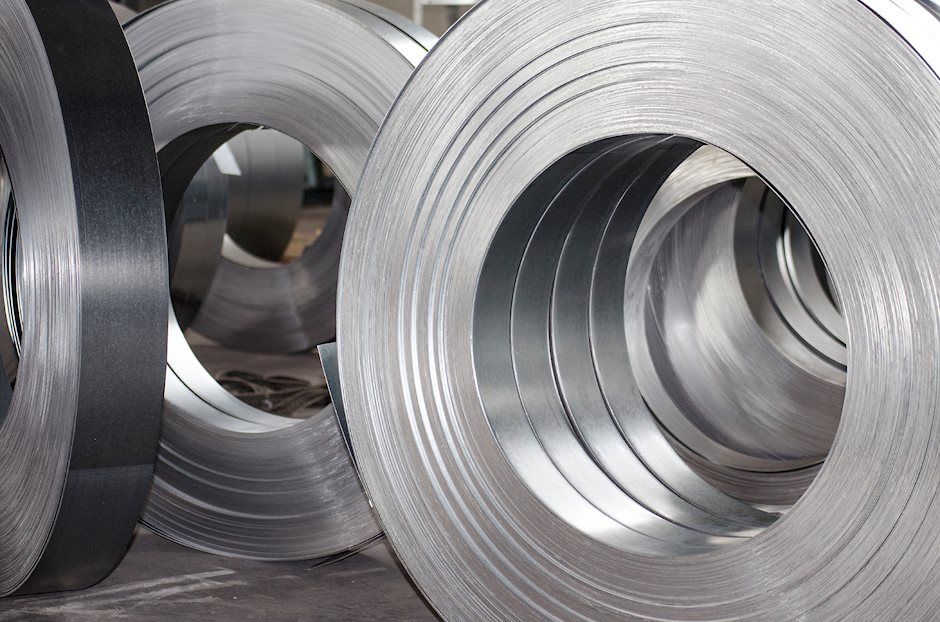

Iron ore futures on the Dalian commodity exchange drop over 4.0% on a day to $125.70 amid early Friday. In doing so, the metal adds to the 9.0% weekly south-run, not to forget mentioning the second week of fall.
Although fresh fears that the Delta covid variant challenges the global economic recovery weigh on the commodity prices in general, China’s latest pollution control measures seemed to have weighed on the iron ore prices.
“The China Iron and Steel Association said in a statement this week mills that are more polluted or consume high energy should lower steel production. It also pledged to ensure that 2021 steel output will fall on an annual basis,” said Reuters. The news also cites data from Mysteel consultancy while saying, Capacity utilization rates of blast furnaces at 247 mills across China recovered slightly to 85.89% this week but still well below 95.16% the same period a year earlier.”
It’s worth noting that iron ore is the largest export item for Australia and hence the commodity’s weakness weighs on the AUD/USD prices. However, the latest pullback of the US dollar seems to restrict the Aussie pair’s immediate moves around 0.7340.
Read: AUD/USD struggles inside a choppy range below 0.7350 amid subdued markets
It should be observed that fears of monetary policy consolidation by the People’s Bank of China and downbeat economics from the dragon nation also keep iron ore bears hopeful. Even so, the metal traders will keep their eyes on Monday’s China Industrial Production and Retail Sales figures for fresh impulse.
Author
Anil Panchal
FXStreet
Anil Panchal has nearly 15 years of experience in tracking financial markets. With a keen interest in macroeconomics, Anil aptly tracks global news/updates and stays well-informed about the global financial moves and their implications.