Covid-19 Vaccine Update: Moderna vaccine effective against UK, SA strains and promising Israeli data
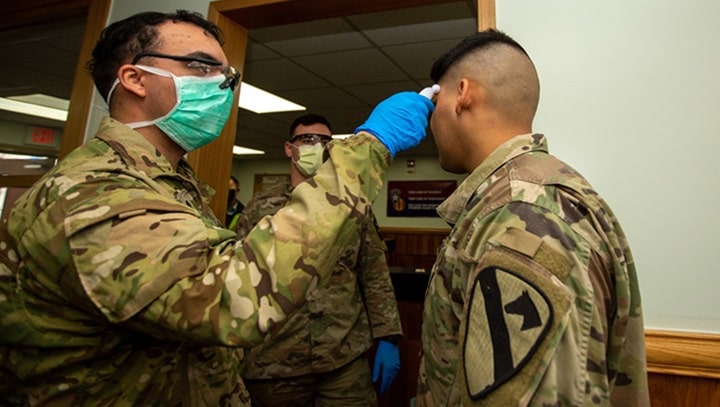
Moderna held a conference call to discuss earlier released results on how its vaccine performed against newer variants of Covid-19. Earlier in the day, the Co. had claimed that its vaccine is still effective against the UK and South African variants of the virus.
CEO Stephane Bancel, “we are encouraged by these new data, which reinforce our confidence that the Moderna COVID-19 Vaccine should be protective against these newly detected variants”.
“Out of an abundance of caution and leveraging the flexibility of our mRNA platform,” he continued, “we are advancing an emerging variant booster candidate against the variant first identified in the Republic of South Africa into the clinic.”
Moderna's CMO Dr Zaks said that the company is looking at studying a third "booster" shot that would come 6-12 months after the second dose of their original Covid-19 vaccine and no sooner. Zaks said he expects the durability of the protection provided by the first two doses to last at least a year.
The study
Moderna took blood samples from eight people who had received two doses of the vaccine, and from primates that had also been immunized.
There was no impact on the level of neutralizing antibodies for the B.1.1.7 (UK) variant, meaning the company’s vaccine was equally as effective against the UK variant as the original. But for the South African variant, B.1.351, there was a sixfold reduction in the neutralizing antibody level, though Moderna said this was still above the quantity needed to offer protection shown in earlier tests on primates that were infected on purpose.
Promising data out of Israel
Israel’s Maccabi Health Services showed that out of the 128,600 Israeli participants in a study who had all received their second jab of the Pfizer/BioNTech vaccine, only 20 had tested positive for Covid-19 and none had been hospitalised or even experienced temperatures of above 38.5 degrees Celsius. The news serves as early evidence that mass vaccinations ought to be able to drastically reduce the spread and prevalence of Covid-19, as market participants have been holding out for.
AstraZeneca denies refutes reports of low efficacy
AstraZeneca has come out strongly refuted an earlier report in Handelsblatt claiming that their vaccine only had efficacy of 8% in over 65s.
The journalist who wrote the article tweeted that "we have confirmed the 8% with multiple sources familiar with the German vaccination policy. Our sources, including members of the government coalition, spoke on the condition of anonymity".
A spokesperson for AstraZeneca made a statement on Monday claiming that the report was "completely incorrect" and referenced the data published by the company back in November which demonstrated that "older adults showed strong immune responses to the vaccine, with 100% of older adults generating spike-specific antibodies after the second dose".
Author

Joel Frank
Independent Analyst
Joel Frank is an economics graduate from the University of Birmingham and has worked as a full-time financial market analyst since 2018, specialising in the coverage of how developments in the global economy impact financial asset
















