|

Coronavirus vaccine: AstraZeneca says smaller dosing regime reaches 90% efficacy

AstraZeneca and the University of Oxford say their COVID-19 vaccine has an average efficacy of 70.4% after recording 131 coronavirus cases within its trial. One dosing regime regiments has shown a higher level of 90% according to the interim results. 

The more efficient dosing regime uses half a dose in the first inoculation rather than a full one. That means that more people could be vaccinated using the same amount of material. The 90% efficient regiment is of 1.5 doses rather than two. 

From the statement

One dosing regimen (n=2,741) showed vaccine efficacy of 90% when AZD1222 was given as a half dose, followed by a full dose at least one month apart...

Excitingly, we’ve found that one of our dosing regimens may be around 90% effective and if this dosing regime is used, more people could be vaccinated with planned vaccine supply

AstraZeneca's immunization can be stored at normal cooling temperatures. The firm is set to imminently prepare for emergency regulatory submission. Moderna announced an efficacy of 94.5% and the Pfizer/BioNTech project 95%. 

Matt Hancock, the UK's health minister, said that the vaccine is easier to administer and that Britain has 100 million doses in the pipeline. The EU also has a substantial amount of doses for its member states. 

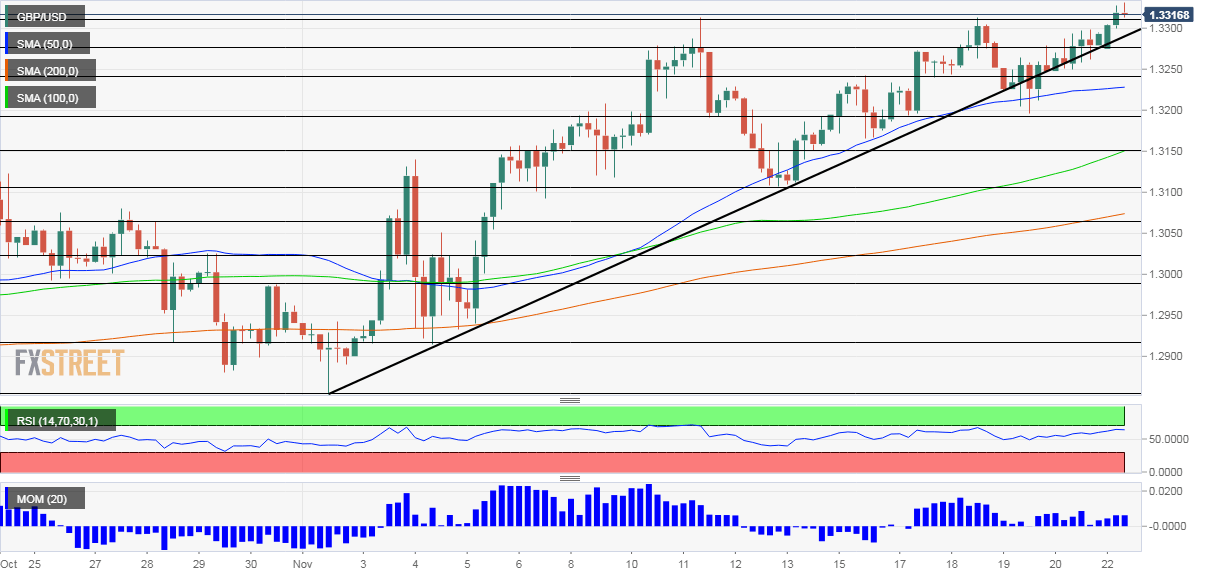
Pound/dollar has been standing out in positively responding to immunization news. The currency pair is trading at the highest levels in two months, above 1.33. EUR/USD is also on the rise, changing hands closer to 1.19.
More When the market shivers, the Fed delivers? Where next for markets

Author

Yohay Elam

Yohay Elam

FXStreet

Yohay is in Forex since 2008 when he founded Forex Crunch, a blog crafted in his free time that turned into a fully-fledged currency website later sold to Finixio.


More from Yohay Elam
Share:

Editor's Picks

EUR/USD looks to regain the 200-day SMA

EUR/USD regains some balance and trade just above 1.1600 the figure ahead of the opening bell in Asia. The pair initially dipped to the 1.1530 zone for the first time since November, always following the stronger US Dollar and the marked flight-to-safety in the context of the ongoing Middle East crisis
 

GBP/USD slips below key averages as geopolitical risks mount

GBP/USD fell about 0.35% on Tuesday, settling around 1.3350 after slipping below the 200-day Exponential Moving Average for the first time since early December. The pair has pulled back sharply from its late-January high near 1.3870, shedding over 500 pips in a series of lower highs and lower lows. 

Gold falls to near $5,100 as inflation fears weigh amidst Middle East conflict

Gold price faces some selling pressure near $5,100 during the early Asian session on Wednesday. The precious metal falls amid a renewed US Dollar demand and dimming prospects for US rate cuts. The US ISM Services Purchasing Managers Index report will be published later on Wednesday. 

Ethereum: Whales step up buying as short positions contract

After holding firm heading into the last weekend, Ethereum whales have returned to action, pouncing on the volatility stemming from escalating military actions between the US and Iran.

Energy shock 2.0: Why rising Gas prices could hit the Euro

Even without a confirmed, sustained disruption, the mere risk to a key global energy chokepoint is enough to inject a significant premium into European Gas markets. And for the Euro, that matters.

Ripple falters amid sell-off jitters and negative funding rates

Ripple (XRP) has come under pressure, drifting lower to $1.35 at the time of writing on Tuesday. The over 2% correction looks poised to erase the previous day’s gains, which lifted the remittance token to $1.42.














