China’s Premier Li: Unilateral, protectionist measures had severe impact on economic world order
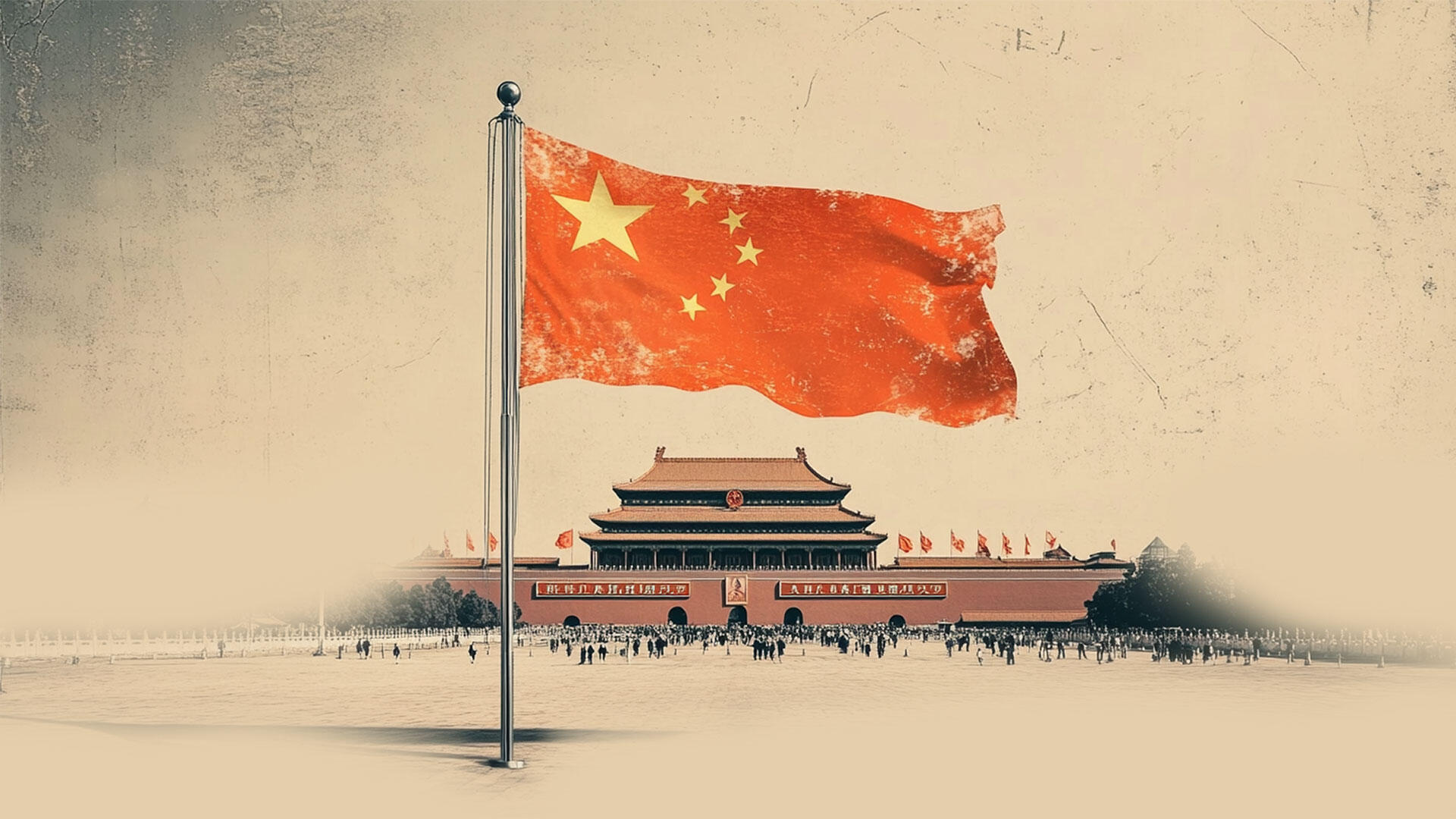
China’s Premier Li Qiang said in a statement on Wednesday, “some unilateral and protectionist measures have had severe impact on the economic world order.”
Additional quotes
We should uphold equality and mutual benefit and consolidate the foundation of legitimate common interest.
It is all the more important for us to stay committed to mutual cooperation and pursue free trade when economic growth is slowing.
China is willing to stand with all parties to foster an open and inclusive environment.
Past few years has seen a surge in trade restrictions around the world.
This has made it harder to do business and harmed the interest of many countries particularly those in the developing world.
Chinese people always stress that a 'gentleman should pursue his wealth via honorable means.
Should not seek unilateral wins at the expense of others, countries need to balance their interests against the greater good.
Even as the market has become a scare resource in the past few years China remains committed to expanding imports.
This is an example of how China cares about the greater good and shoulders its responsibilities.
We should advance governance reform and reform the global system of trade rules.
We all know that the word 'tariff' has made headlines this year.
This has seriously undermined international trade rules.
In this context it is particularly imperative and urgent for us to strengthen global economic governance.
We will work to reform the global economic and trading system and make trade rules fairer, more reasonable and transparent.
China will continue to prioritize economic development and focus our efforts on pursuing high quality development, especially boost demand.
China will foster and strengthen new growth drivers in digital areas.
We will put in place more intensive and effective micro policies to push for steady economic growth.
In five years the Chinese economy is expected to exceed 170 trillion yuan.
Author

Dhwani Mehta
FXStreet
Residing in Mumbai (India), Dhwani is a Senior Analyst and Manager of the Asian session at FXStreet. She has over 10 years of experience in analyzing and covering the global financial markets, with specialization in Forex and commodities markets.

















