China-US trade talks: The art of the deal – Standard Chartered
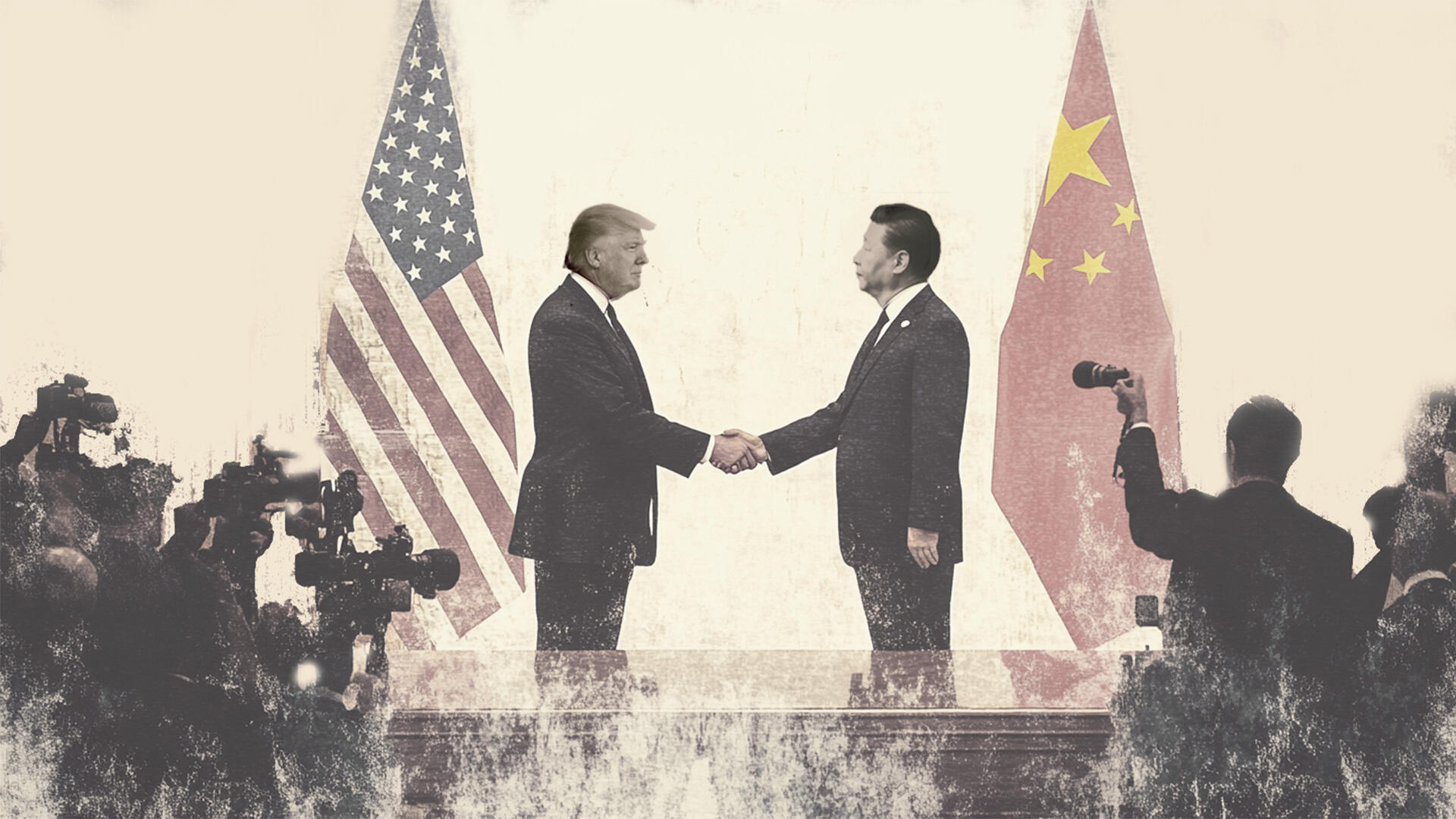
Our baseline scenario is that US tariffs on China will likely stay around current levels after the 90-day truce. The tit-for-tat tariff war in April and subsequent truce indicate more caution on both sides. Even in case of aggressive tariff re-escalation, exemptions will likely be considered to mitigate business impact, Standard Chartered's economists note.
What can we expect at the end of the 90-day truce?
"The trade trajectory following the end of the US-China 90-day tariff truce remains uncertain. Our baseline assumption is that the truce will likely be extended further and that average tariff levels may remain around current rates (see Figure 1). This approach would allow the continued flow of bilateral trade between the two nations and buy more time for negotiations on more complex and contentious issues."
"We believe the worst of tariff headlines is behind us, and our baseline assumes limited room for further tariff hikes from current levels in 2025. The tit-for-tat trade war in April and subsequent sharp reduction in bilateral tariffs in May indicate more caution on future tariff action from both the US and China. In addition, there are plenty of unresolved issues on the table, including existing bilateral tariffs, non-tariff barriers, and the exchange rate. Furthermore, the US may be prioritising negotiations with other trade partners, with the 90-day tariff pause on other countries ending one month earlier than with China. Taking all of these factors into consideration, 90 days are likely not enough for the two countries to conclude a comprehensive deal; we, therefore, expect the tariff truce to be extended to allow for continued negotiations."
"With our baseline assumption on tariffs, we maintain our 2025 GDP growth forecast at 4.8%. China’s existing stimulus package is likely to largely offset the tariff impact. However, if the US hikes tariffs much higher than our baseline assumption, imposes other significant non-tariff measures against China, or if China’s housing market and consumption recovery falls short of expectations, additional fiscal support will likely be rolled out to prevent GDP growth from undershooting the growth target significantly."
Author

FXStreet Insights Team
FXStreet
The FXStreet Insights Team is a group of journalists that handpicks selected market observations published by renowned experts. The content includes notes by commercial as well as additional insights by internal and external analysts.
















