|

China-India border tensions spark trade friction in 5G and autos – Nikkei
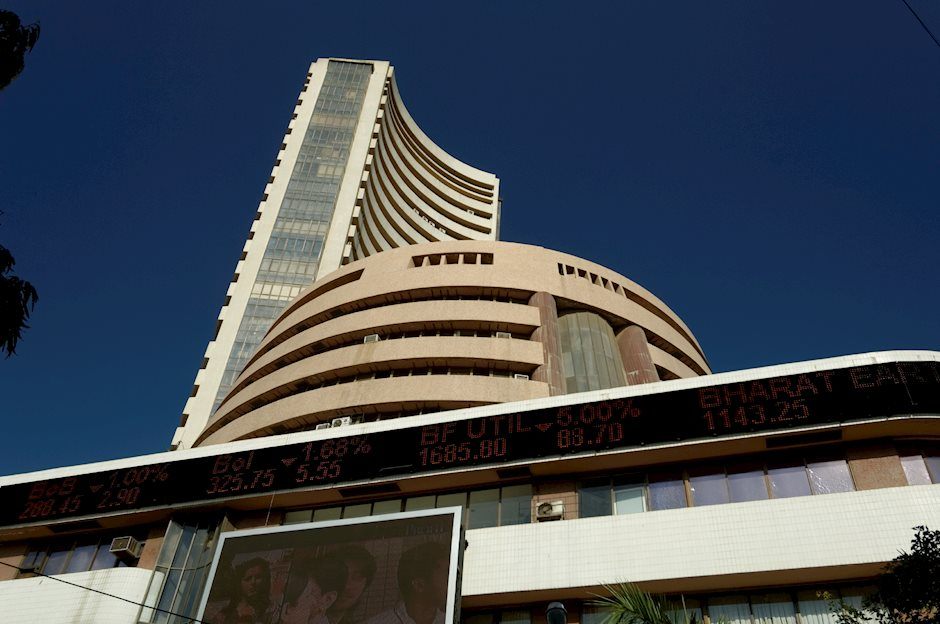
The Nikkei's Asian Review has reported on the border crisis between China and India.

The article states that the crisis has begun to spill over into bilateral trade as the Indian government considers imposing restrictions and higher tariffs on Chinese companies and goods.

Lead paragraphs

Measures include a directive against the use of telecommunications equipment from Huawei Technologies and other Chinese suppliers. China's auto sector is also being targeted.

After the first deadly clash between the two Asian giants in 45 years, India's Prime Minister Narendra Modi can ill afford to look weak in front of China. But shutting out Chinese investment risks hurting India's already weak economy.

Market implications

These developments are pertaining to a standoff in the Himalayan border region that began in early May between Indian and Chinese troops. A pushback in trade and investment will weigh on an already suffering Indian economy, especially in the manufacturing sectors which cannot operate without access to Chinese-made products and likely stem flow into the nation's currency. 

The Indian economy is at the brink of crisis stemming from the coronavirus pandemic.  The International Monetary Fund (IMF) has recently downgraded forecasts for India's economic growth for 2020 to negative 4.5%, marking the possibility of the worst slump since the oil crisis of the late 1970s.

USD/INR at critical support and bears look to prior structure
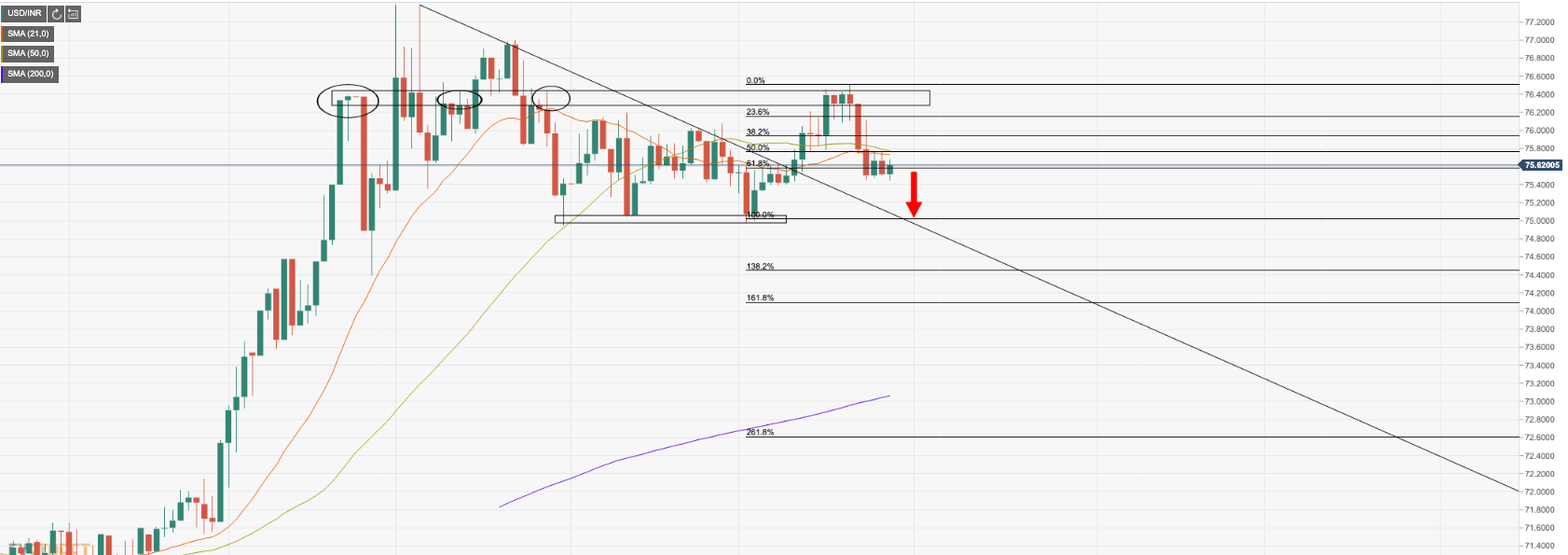
A continuation below the 61.8% Fibonacci and break of support opens risk to a full retracement of the daily impulse and a test of the trendline.

Author

Ross J Burland

Ross J Burland, born in England, UK, is a sportsman at heart. He played Rugby and Judo for his county, Kent and the South East of England Rugby team.


More from Ross J Burland
Share:

Editor's Picks

EUR/USD eyes nine-day EMA barrier after rebounding from 1.1600

EUR/USD gains ground after registering modest losses in the previous session, trading around 1.1620 during the Asian hours on Friday. The technical analysis of the daily chart suggests an ongoing bearish bias as the pair remains within the descending channel pattern.

GBP/USD drifts lower heading into NFP range

GBP/USD edged lower by 0.2% on Thursday, settling close to 1.3350 in a strained trading session that kept the pair pinned near three-month lows. Price briefly recovered earlier in the day on reports that Iran had indirectly signaled openness to talks with the CIA, but the bounce faded as Israeli officials reportedly advised Washington to disregard the overture. 

Gold awaits US Nonfarm Payrolls for a clear directional impetus

Gold rebounds above $5,100 early Friday after testing the $5,050 level amid global sell-off. The US Dollar pulls back as profit-taking creeps in ahead of US labor data. For February. 21-day SMA holds amid bullish RSI; a daily closing above 61.8% Fibo is critical for Gold buyers.

Ethereum pull in $169M as validators pile in to stake ETH

US spot Ethereum exchange-traded funds recorded $169 million in net inflows on Wednesday, marking the largest daily intake in two months, according to SoSoValue data. The rise in inflows signals renewed institutional interest in Ethereum amid broader market volatility.

The market compass is pointing at a barrel of Oil

The Asian open is arriving with equities leaning the wrong way, and the reason is not complicated. The market’s compass needle has snapped firmly toward crude. In this tape, oil is not just another input price; it is the gravitational center around which every asset class is orbiting.

Ripple tests recovery strength amid steady ETF inflows, growing retail interest

Ripple (XRP) continues to demonstrate notable resilience as the cryptocurrency market navigates the persistent war in the Middle East after the United States (US) and Israel attacked Iran on Saturday.