Silver Price Forecast: XAG/USD jumps above $82.00 amid Iran conflict, US jobs data awaited
- Silver price edges higher to around $82.20 in Friday’s early Asian session.
- No signs of easing as Iran war continues to boost the Silver price.
- The US February employment report will be in the spotlight later on Friday.
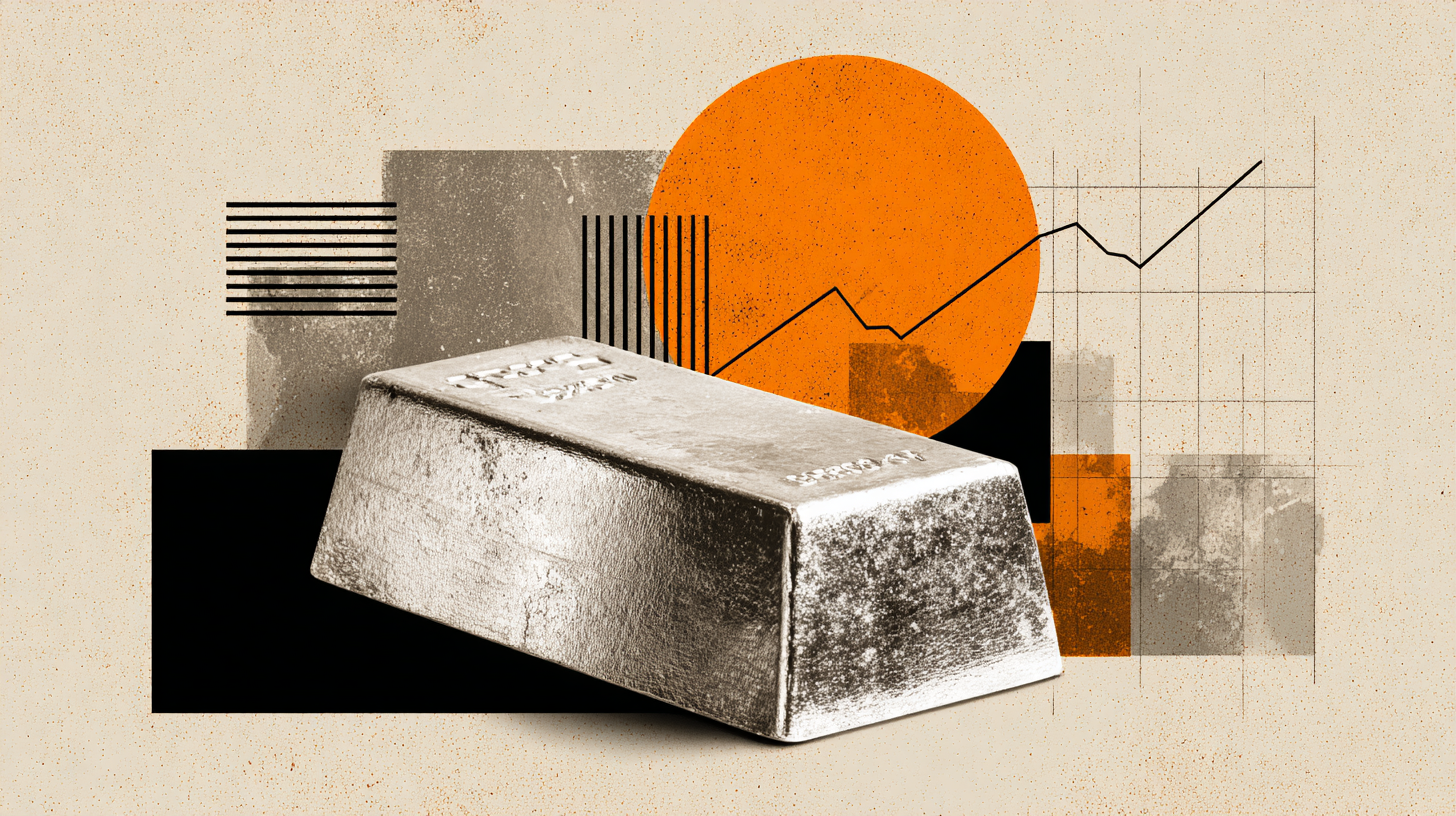
Silver price (XAG/USD) holds positive ground near $82.20 during the early Asian session on Friday. The ongoing US-Israeli campaign against Iran provides safe-haven support, boosting the white metal. Traders await the release of the key US employment report for February for fresh impetus.
Iran launched a fresh wave of missile and drone strikes across the Gulf on Thursday, with attacks reported in the United Arab Emirates, Bahrain, Qatar, and Kuwait, per Bloomberg. US President Donald Trump said that Iranian officials reached out him in an attempt to reach an agreement to end the war, but he insisted it was too late and that the US was pushing to destroy Iran.
Meanwhile, Iranian Foreign Minister Abbas Araghchi stated that his country hadn’t requested a ceasefire and had no intention of negotiating. Rising tensions between the US and Iran and fears of a prolonged war in the Middle East could boost a safe-haven asset such as Silver in the near term.
Traders will closely monitor the US February employment data on Friday for more hints about the US interest rate path. The US Nonfarm Payrolls (NFP) is expected to increase by 59,000 jobs in February, while the Unemployment Rate is projected to hold steady at 4.3%. Any signs of improvement in the US labor market could lift the US Dollar (USD) and undermine the USD-denominated commodity price.
Silver FAQs
Silver is a precious metal highly traded among investors. It has been historically used as a store of value and a medium of exchange. Although less popular than Gold, traders may turn to Silver to diversify their investment portfolio, for its intrinsic value or as a potential hedge during high-inflation periods. Investors can buy physical Silver, in coins or in bars, or trade it through vehicles such as Exchange Traded Funds, which track its price on international markets.
Silver prices can move due to a wide range of factors. Geopolitical instability or fears of a deep recession can make Silver price escalate due to its safe-haven status, although to a lesser extent than Gold's. As a yieldless asset, Silver tends to rise with lower interest rates. Its moves also depend on how the US Dollar (USD) behaves as the asset is priced in dollars (XAG/USD). A strong Dollar tends to keep the price of Silver at bay, whereas a weaker Dollar is likely to propel prices up. Other factors such as investment demand, mining supply – Silver is much more abundant than Gold – and recycling rates can also affect prices.
Silver is widely used in industry, particularly in sectors such as electronics or solar energy, as it has one of the highest electric conductivity of all metals – more than Copper and Gold. A surge in demand can increase prices, while a decline tends to lower them. Dynamics in the US, Chinese and Indian economies can also contribute to price swings: for the US and particularly China, their big industrial sectors use Silver in various processes; in India, consumers’ demand for the precious metal for jewellery also plays a key role in setting prices.
Silver prices tend to follow Gold's moves. When Gold prices rise, Silver typically follows suit, as their status as safe-haven assets is similar. The Gold/Silver ratio, which shows the number of ounces of Silver needed to equal the value of one ounce of Gold, may help to determine the relative valuation between both metals. Some investors may consider a high ratio as an indicator that Silver is undervalued, or Gold is overvalued. On the contrary, a low ratio might suggest that Gold is undervalued relative to Silver.
Author

Lallalit Srijandorn
FXStreet
Lallalit Srijandorn is a Parisian at heart. She has lived in France since 2019 and now becomes a digital entrepreneur based in Paris and Bangkok.