|

CAD tumbles to fresh low on trade concerns ahead of August 1 – Scotiabank
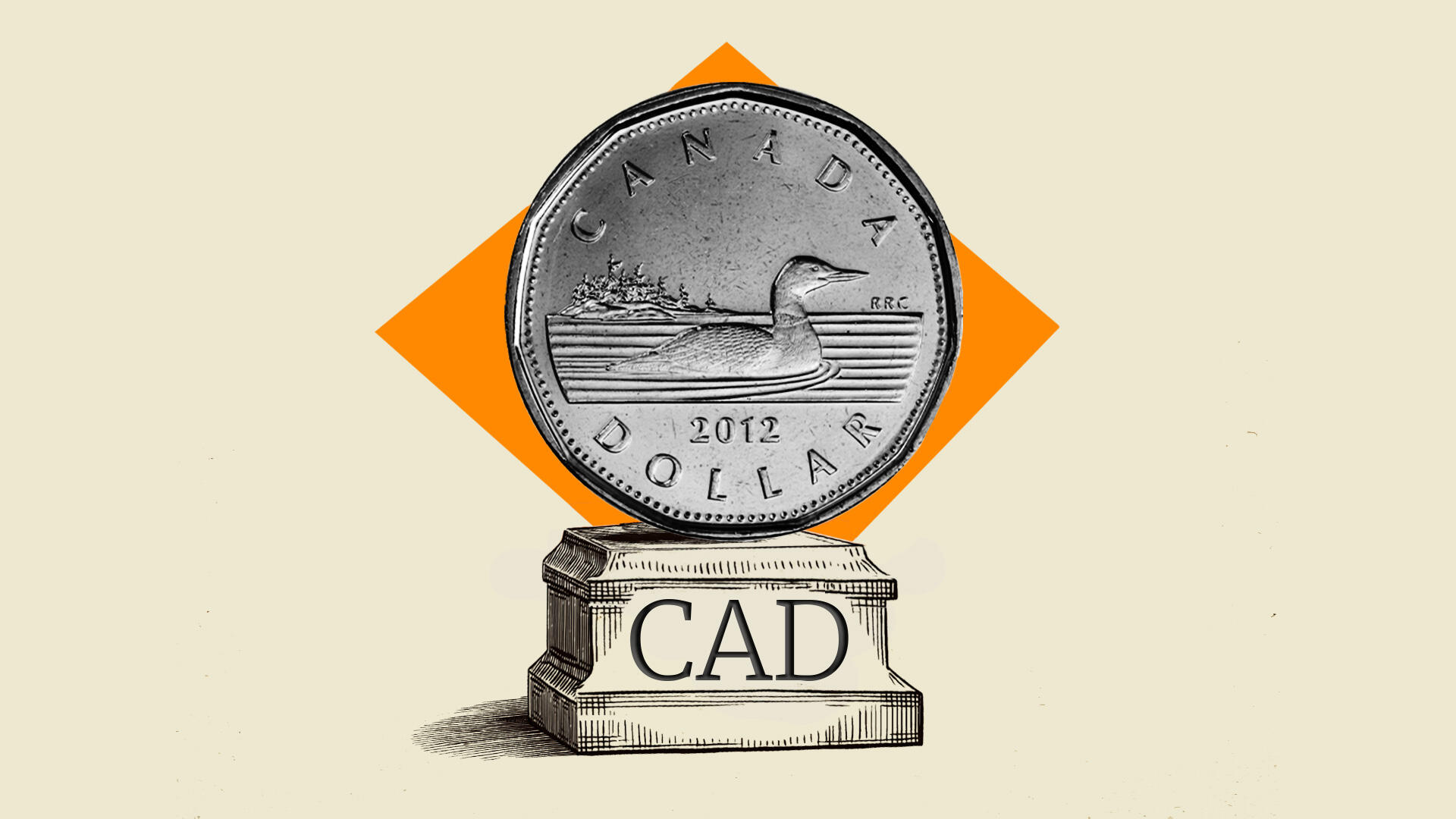
The Canadian Dollar (CAD) is soft, trading at fresh lows and plumbing levels last seen in late May as market participants respond to risks related to trade and consider their implications for the BoC, Scotiabank's Chief FX Strategists Shaun Osborne and Eric Theoret report, Scotiabank's Chief FX Strategists Shaun Osborne and Eric Theoret report.

Trade policy uncertainty remains a core concern for the BoC

"Comments from both President Trump and PM Carney have pushed back on expectations for an agreement by the August 1 tariff deadline. Trade policy uncertainty remains a core concern for the BoC, as conveyed by Gov. Macklem in Wednesday’s post decision press conference. A dovish hold as delivered, and the BoC remains attentive to downside risks."

"This week’s central bank events have delivered a blow to the CAD’s fundamentals, widening yield spreads in a CAD-negative manner. Our USD/CAD FV estimate has climbed into the low 1.37s (1.3715 specifically). Near-term domestic risk lies with the 8:30am ET monthly GDP release for May."

"USD/CAD is extending its push higher with a sixth consecutive day of gains. The RSI is bullish and pushing above 60 but remains shy of the overbought threshold at 70, leaving ample room for further upside. There are no major resistance levels ahead of the 61.8% retracement of the Sept-Feb rally at 1.3944. We look to a near-term range bound between 1.3800 support and 1.3900 resistance."

Author

FXStreet Insights Team

The FXStreet Insights Team is a group of journalists that handpicks selected market observations published by renowned experts. The content includes notes by commercial as well as additional insights by internal and external analysts.


More from FXStreet Insights Team
Share:

Editor's Picks

GBP/USD stays firm near 1.3350 amid easing Mideast tensions

GBP/USD builds on Friday's modest bounce from a three-week low and gains strong follow-through positive traction at the start of a new week on Monday. This marks the second straight day of gains, with the major trading near 1.3350 in European trading amid a pause in the Middle East conflict and a broadly weaker US Dollar. Traders brace for the Fed and BoE policy announcements later in the week.

EUR/USD holds gains near 1.1400 as USD slips on Iran diplomacy hopes

EUR/USD holds sizeable gains near the 1.1400 mark in the European session on Monday. The intraday strength is sponsored by a broadly weaker US Dollar, weighed down by renewed optimism over a diplomatic resolution to end a five-month-old US-Iran war.

Gold sticks to gains as falling oil ease inflation fears and temper Fed rate hike bets

Gold (XAU/USD) sticks to modest intraday gains heading into the European session on Monday, though it struggles to build on the momentum beyond the $4,100 mark as bulls seem hesitant ahead of the crucial FOMC meeting this week. In the meantime, reviving hopes for a diplomatic resolution to end a five-month-old US-Iran war led to an intraday slump in crude oil prices.

Cardano: Under pressure as bearish derivatives cap recovery

Cardano remains under pressure, trading lower at $0.165 on Monday after mild losses in the previous week. Weakening derivatives metrics and subdued momentum indicators suggest that ADA's upside move remains limited, keeping downside risks in focus. Derivatives data for Cardano shows bearish sentiment among traders.

Australian Dollar outlook: Chances of another rally won’t be decided in Canberra, but in Washington

The Australian Dollar rode a rollercoaster in the first half of the year, hitting a four-year high and then correcting. The currency enters the second half with an outlook full of uncertainty due to renewed hostilities in the Middle East, which clouds the inflation outlook and interest rates.

US Dollar mid-year outlook: Exceptional currency, exceptional risks?
The US Dollar enters the second half of 2026 in a markedly different position from a year ago. The King currency has recovered, reflecting persistent US inflation, changing expectations for Fed policy, geopolitical tensions and renewed demand for defensive assets.